€ 21.500,00

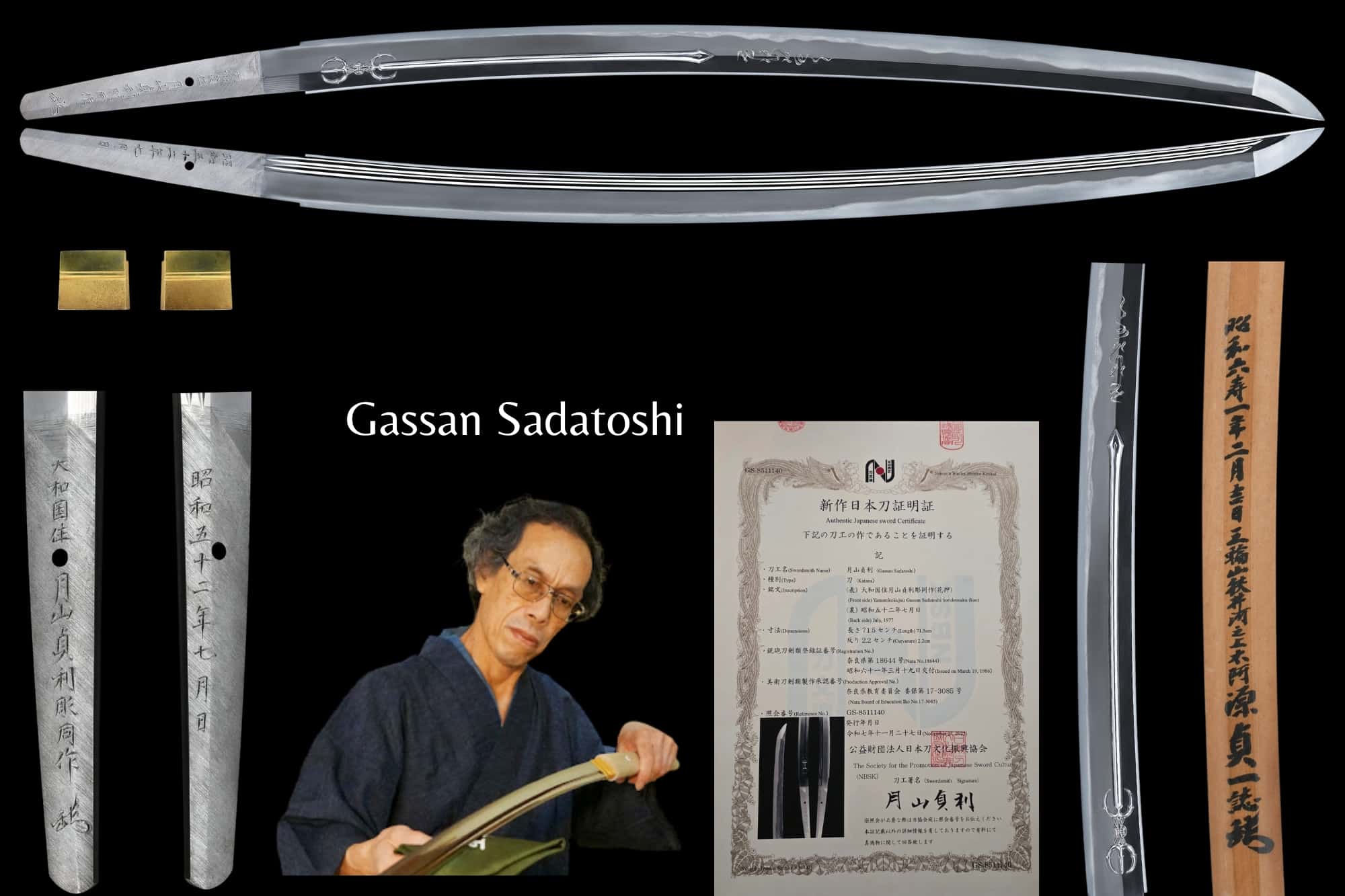
Katana by Gassan Sadatoshi Mukansa Master Swordsmith
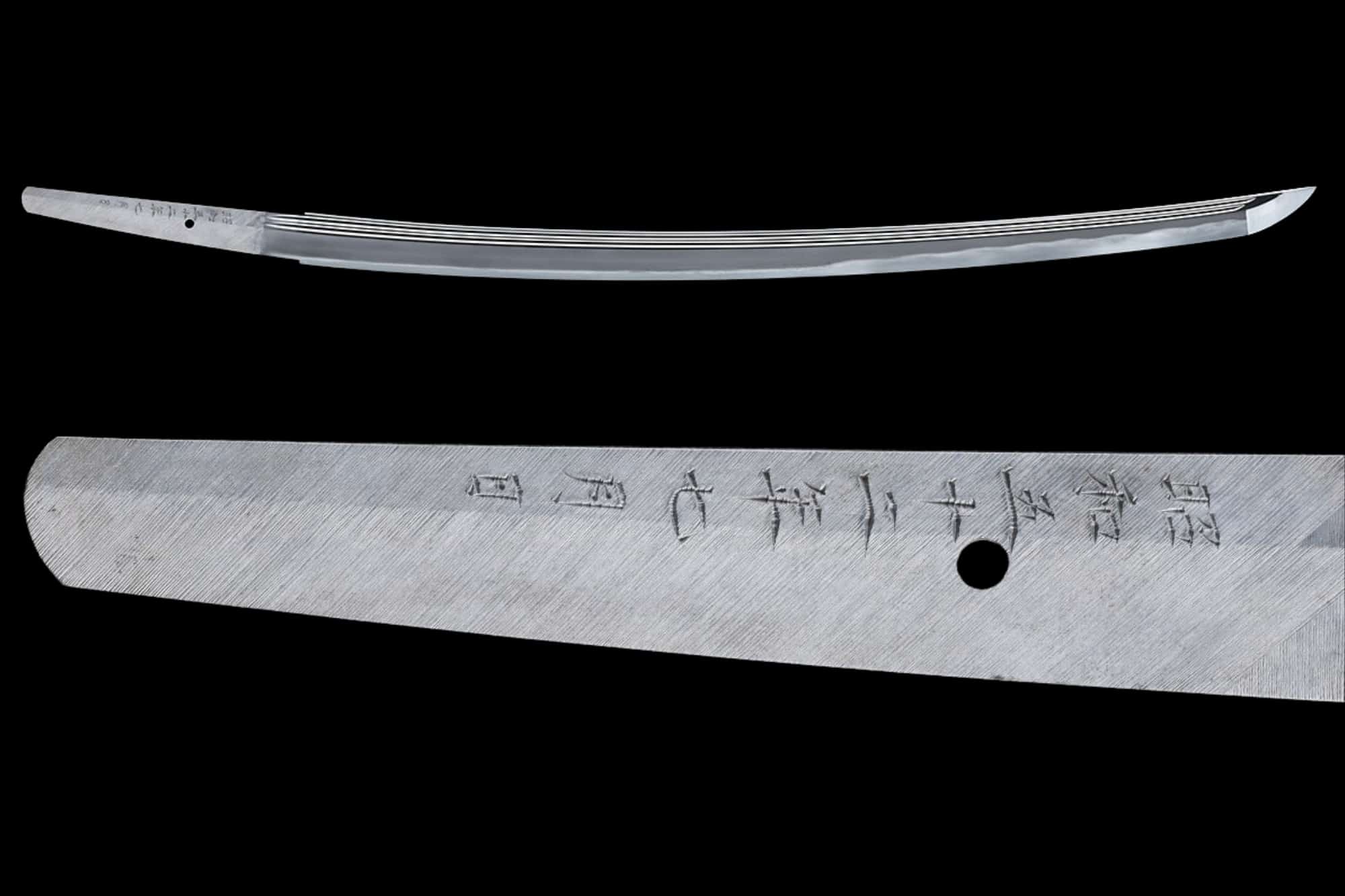
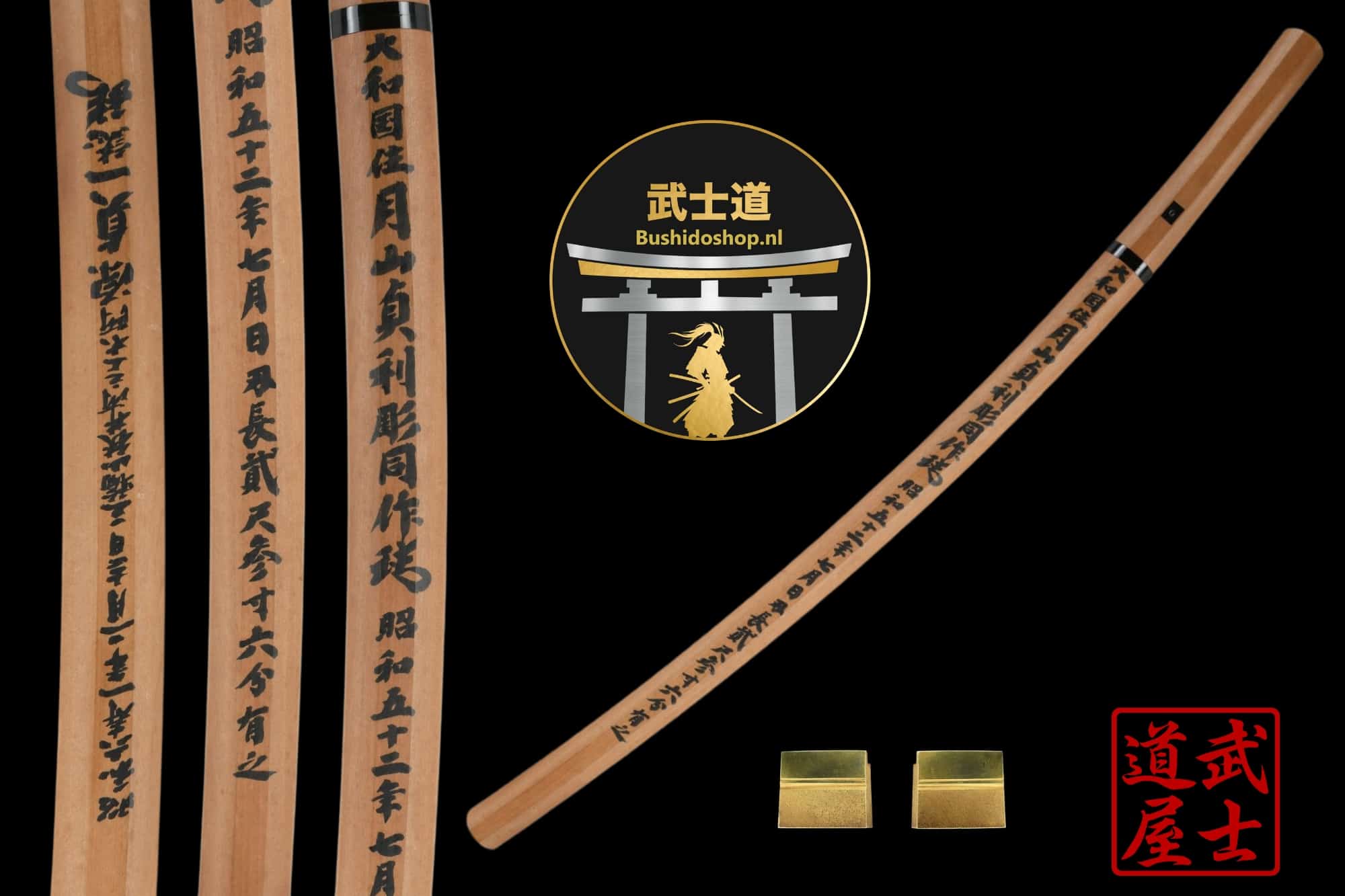
Shōwa 52 year 1977
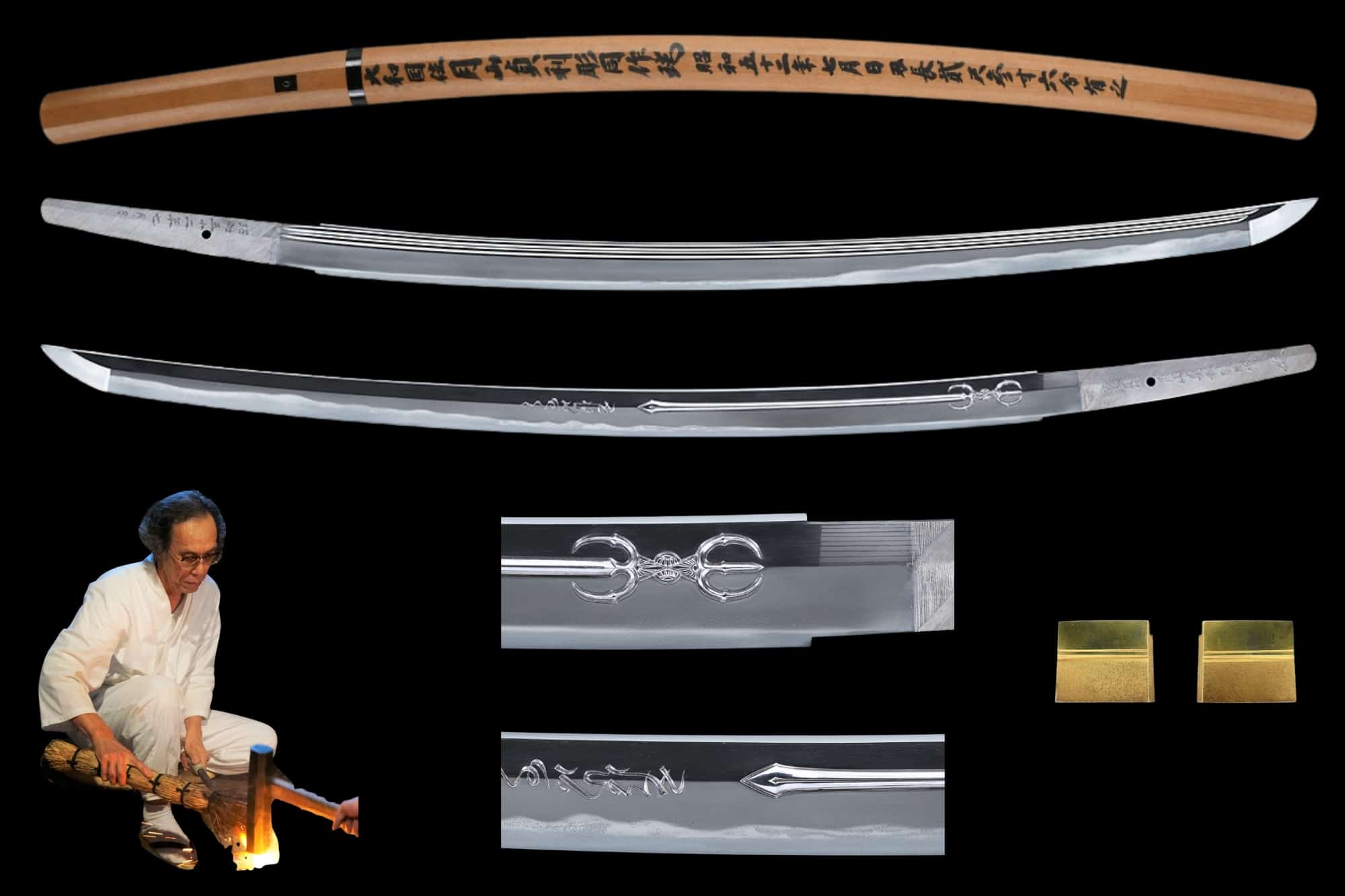
This exceptional katana was forged in 1977 by Gassan Sadatoshi (月山貞利, real name Tsukiyama Kiyoshi, born 1946), the fifth-generation master of the Osaka Gassan lineage and today widely regarded as the most important living Japanese swordsmith.
The Gassan school is one of the most historically significant traditions in Japanese swordmaking, originally active in Yamato and later revived in the modern era through the extraordinary efforts of Sadatoshi’s grandfather, Gassan Sadakazu (月山貞一/貞一). Sadakazu was instrumental in the Meiji-period revival of traditional swordmaking, mastering ancient techniques such as ayasugi-hada, the hallmark of the Gassan school, and elevating them to an unprecedented artistic level. In recognition of his supreme skill and cultural importance, Sadakazu was appointed Imperial Court Artist (Teishitsu Gigeiin)—a distinction granted only to the very finest craftsmen of Japan.
Sadatoshi’s father, Gassan Sadaichi II, continued this legacy and was designated a Living National Treasure (Ningen Kokuhō). Under his guidance, the Osaka Gassan tradition achieved absolute technical refinement, combining flawless forging, rich jihada, and dignified, classical aesthetics. Sadaichi II was not only a master swordsmith, but also a strict and influential teacher, ensuring that the deepest principles of traditional swordmaking were passed on without compromise.
Trained directly within this unparalleled lineage, Gassan Sadatoshi represents the culmination of three generations of supreme mastery. In 1982, at the remarkably young age of 36, he was awarded Mukansa status placing him beyond competition and formally acknowledging that his work had reached the highest possible artistic level. Throughout his career, he has received the most prestigious honors in the field, including the Commissioner for Cultural Affairs Award, the Takamatsunomiya Prize, and the Kanzan Prize. His works are represented in leading international collections, most notably the Metropolitan Museum of Art, New York.
Sadatoshi is universally recognized as the natural successor to the Gassan tradition and is widely expected to become a future Living National Treasure of Japan. As such, his swords are considered not only masterpieces of modern craftsmanship, but also cultural assets of enduring historical importance and strong long-term financial value.
This katana is an outstanding example of Sadatoshi’s mature work. The blade displays a powerful and dignified sugata, exquisitely forged jigane, and masterfully executed horimono imbued with spiritual symbolism demonstrating complete command of both forging and carving. Every detail reflects the refined aesthetics, technical perfection, and unbroken continuity of the Gassan school.
A masterwork by a Mukansa swordsmith standing at the pinnacle of a legendary lineage, this sword represents the very highest level of modern Japanese swordmaking and is fully deserving of inclusion in the finest private or institutional collections.
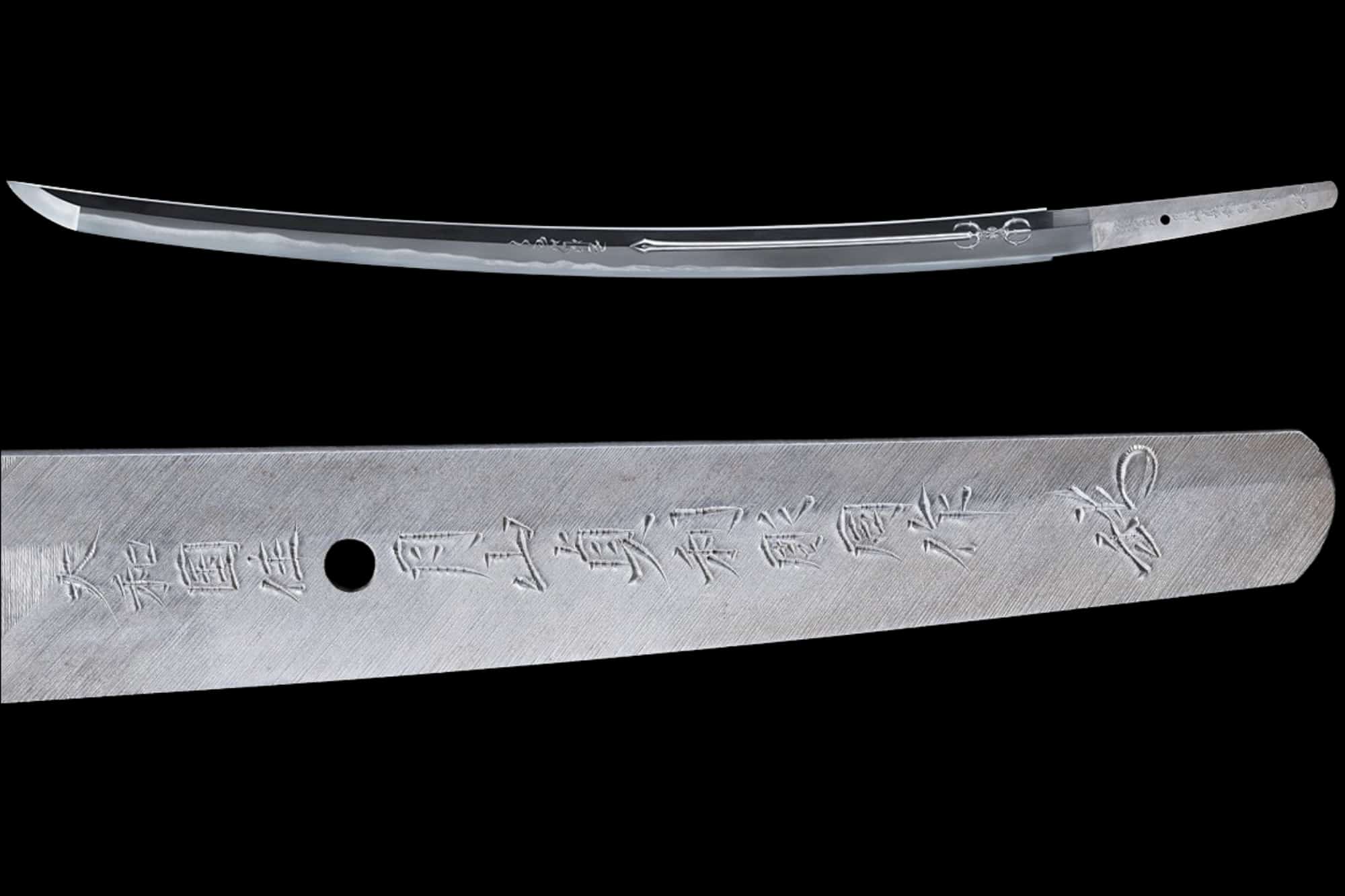
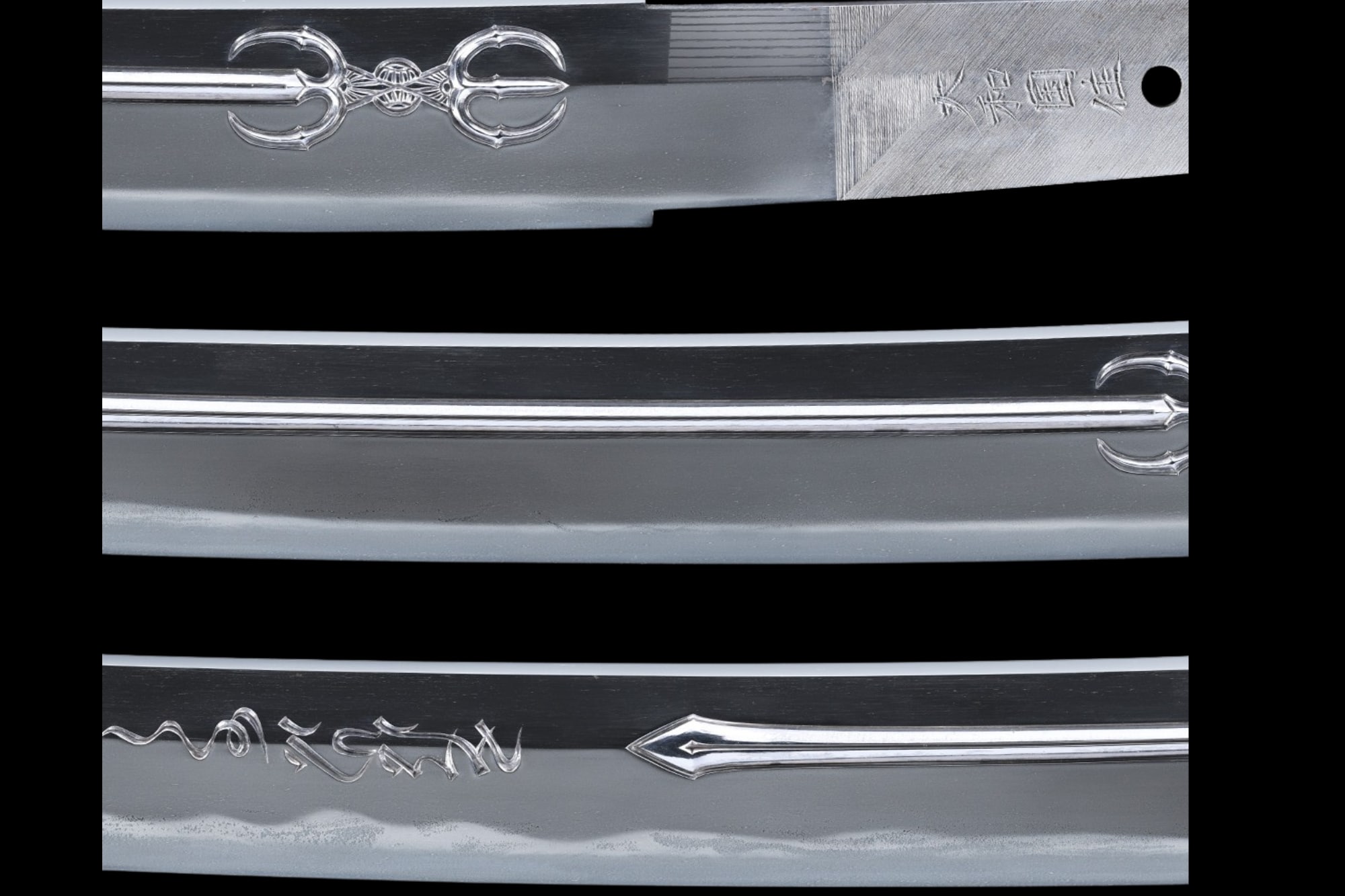
Ken (sacred Buddhist sword) on the opposite side:
Executed in a classical and orthodox manner, with a sharply defined kissaki and precise central ridge, representing the Kurikara-ken, the sword of wisdom that destroys ignorance.
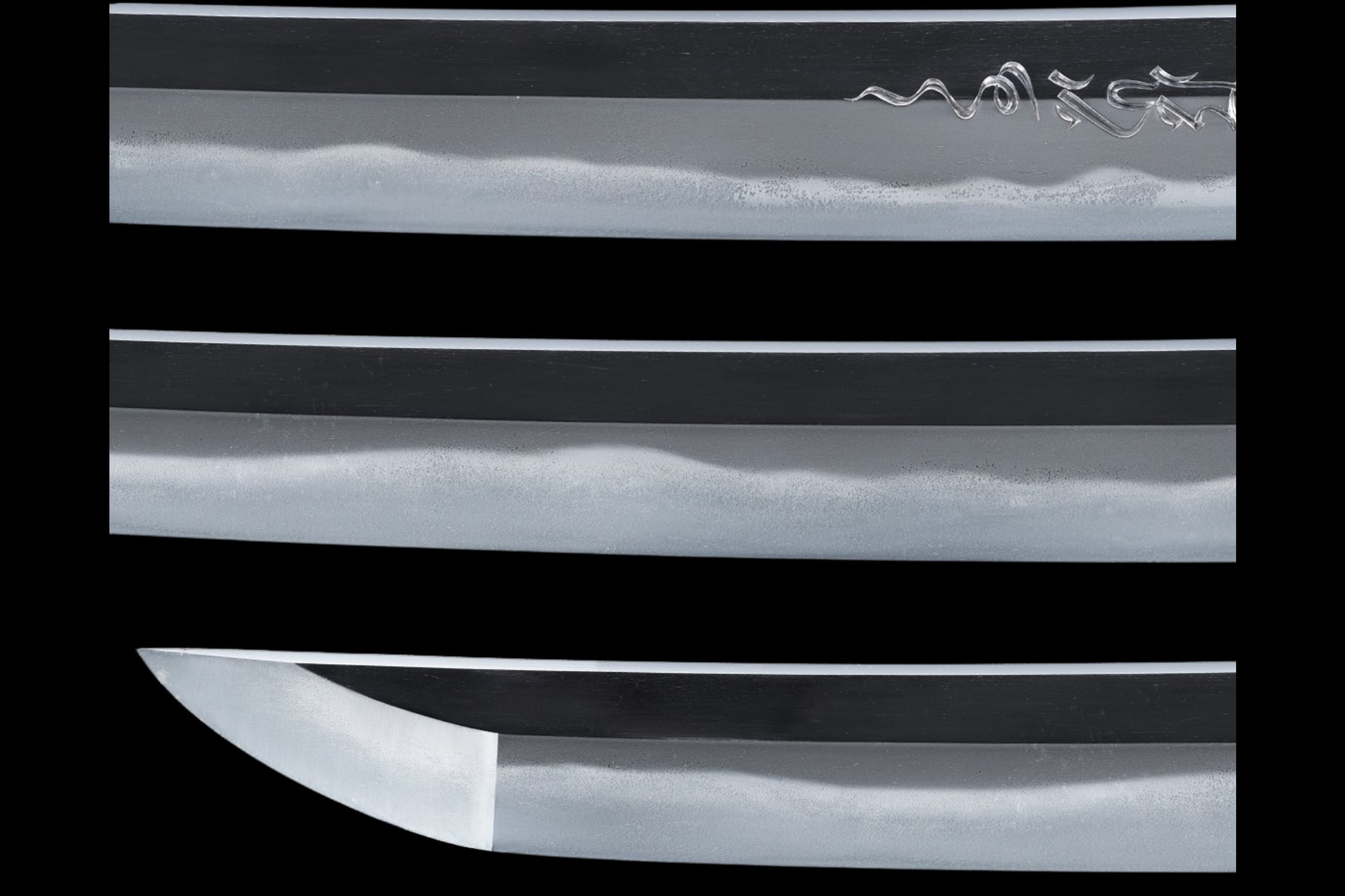
Bonji (Sanskrit seed syllable):
Carved with confidence and depth near the mune, reinforcing the esoteric Shingon Buddhist theme and directly associating the blade with Fudō Myōō devotion.
This horimono is not decorative, but ritual and symbolic in nature, executed as an integral part of the blade’s conception.
Blade Specifications.
Length (Nagasa): 71.5 cm (2 shaku 3 sun 5 bu)
Curvature (Sori): 2.2 cm
Width at Hamachi (Moto-haba): 3.76 cm
Thickness at Moto-kasane: 0.77 cm
Width at Kissaki (Saki-haba): 3.10 cm
Thickness at Saki-kasane: 0.65 cm
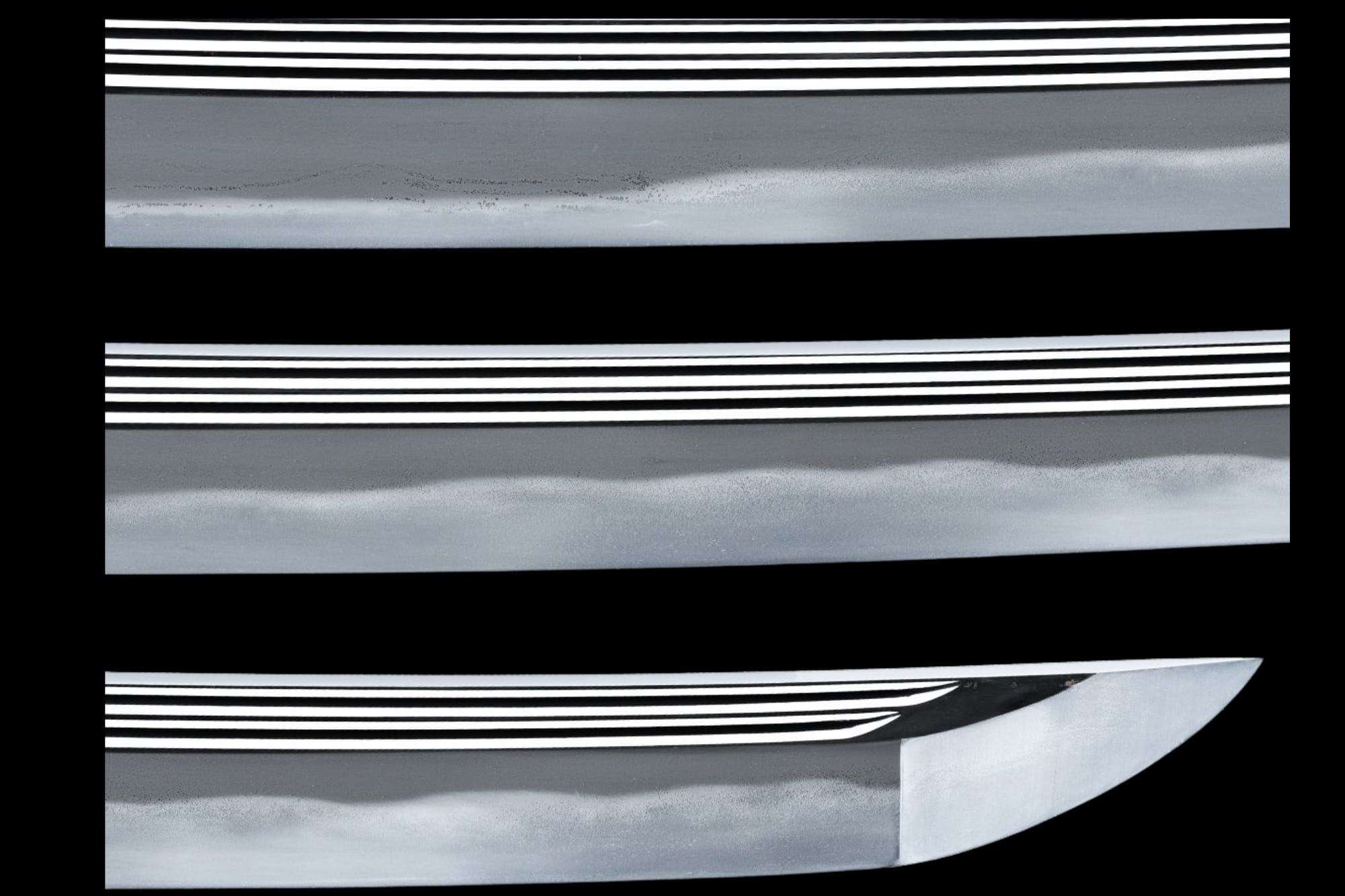
Shape (Sugata): Shinogi-zukuri, iori-mune, chu-kissaki, wide and powerful
Nakago (Tang): Ubu, kesho-yasurime, signed & dated, 1 mekugi-ana
Habaki: One-piece, gold foil
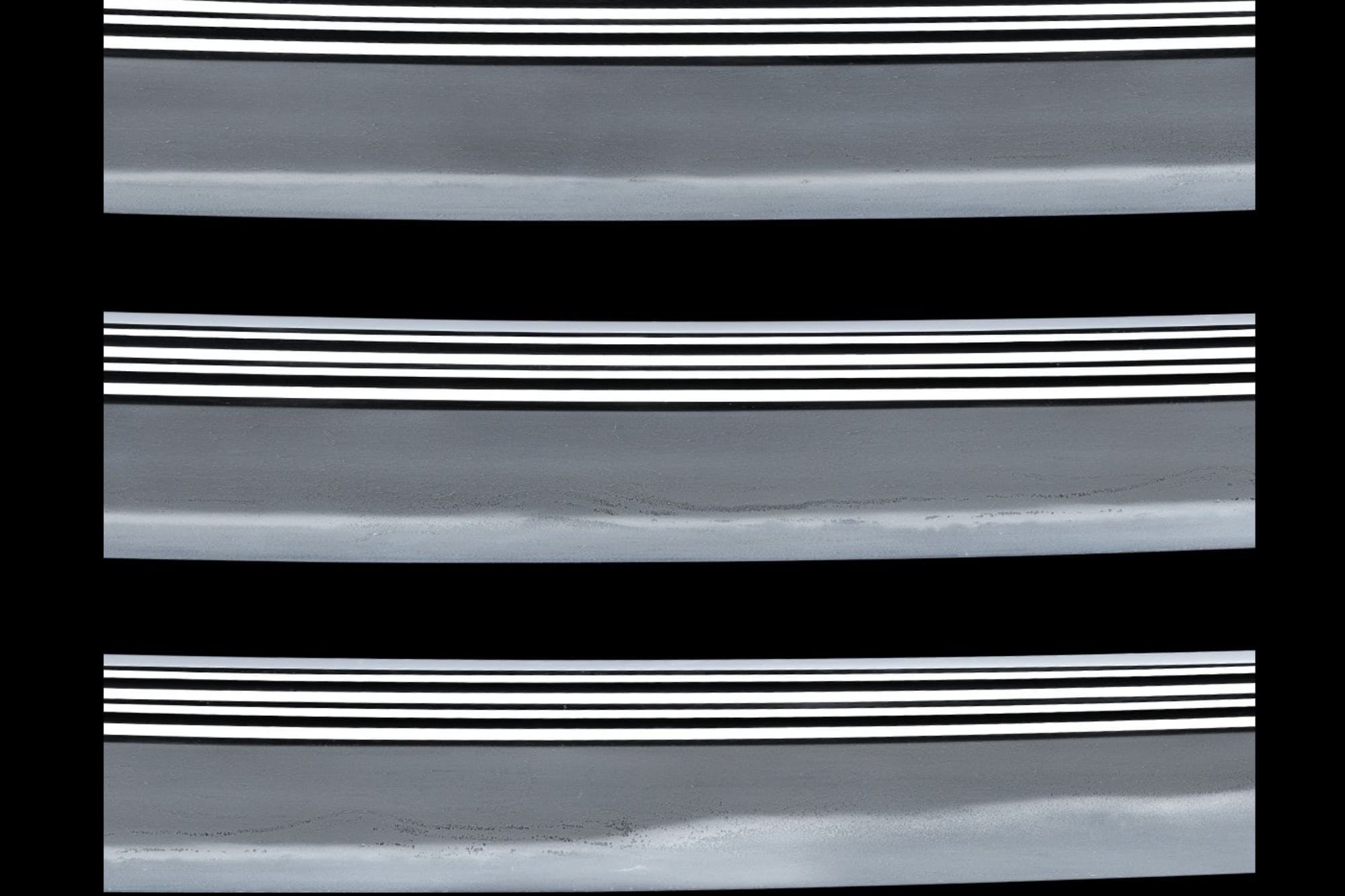
Jigane (Hada): Ko-itame, refined and consistent with ji-nie
Hamon: Straight suguha with activity (nijuba, sunagashi, uchiyoke)
Bōshi: Notare, rounded tip
Horimono (Carving):
Omote (front): Bonji & Sankō-ken motif
Ura (back): Long bo-hi (groove)
Registration Card: Nara Prefecture
NBSK Certificate: Issued by the Nihon Bijutsu Token Shinkokai (NBSK), the Society for the Preservation of the Japanese Art Sword.
The NBSK is an officially recognized body in Japan, comparable to the NBTHK, dedicated to the appraisal and preservation of modern and traditional swordsmithing.
A certificate from the NBSK confirms the authenticity of the smith and guarantees the cultural and artistic value of the blade.
This means the katana is fully authenticated both by Japanese government registration and by a major preservation society, giving buyers absolute confidence.
Rare opportunity to acquire a katana by Gassan Sadatoshi – Mukansa, future National Treasure, and the most important swordsmith alive today.

© 2026 Bushidoshop made with ❤ by Nieuwblik.com