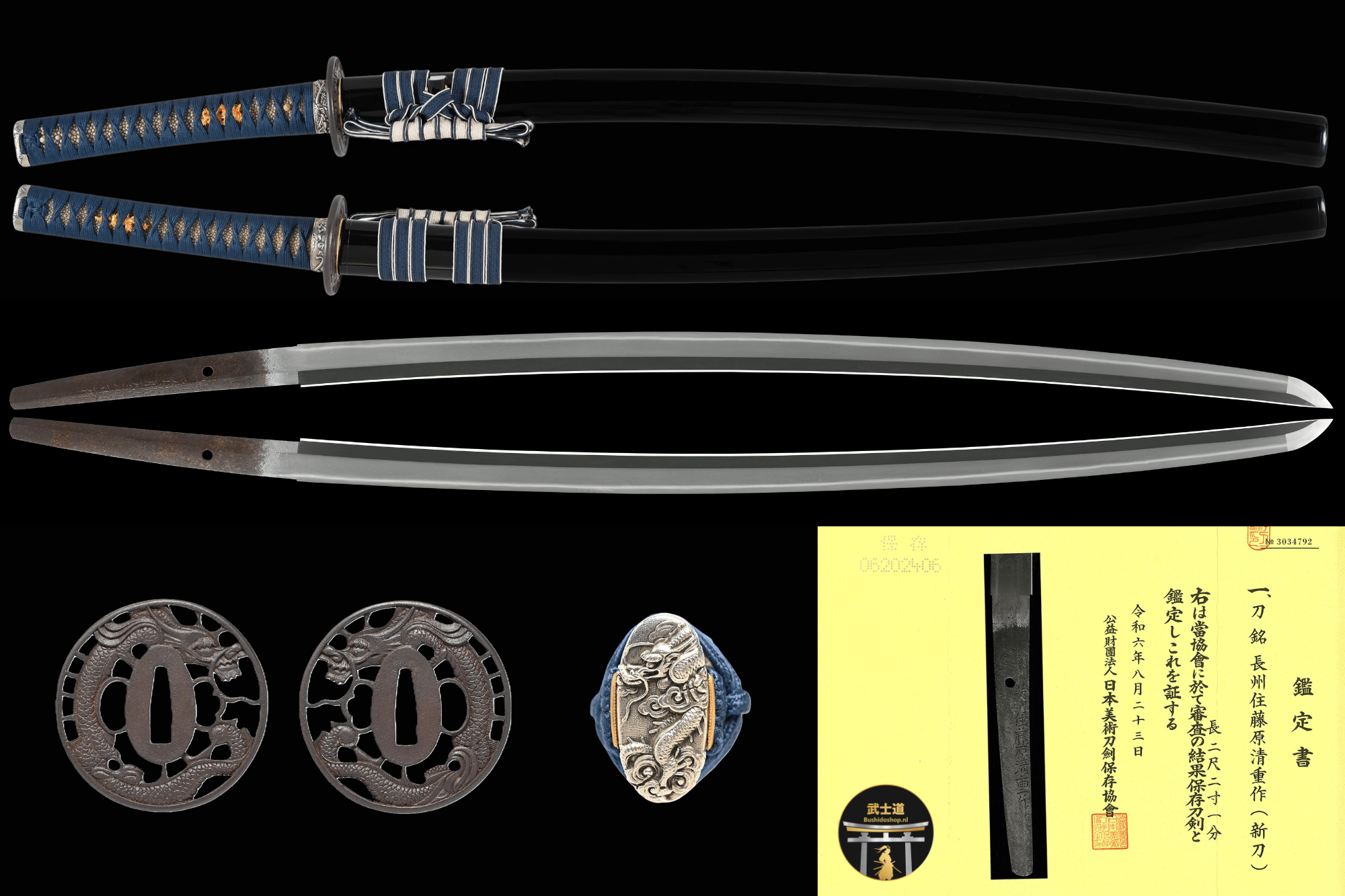
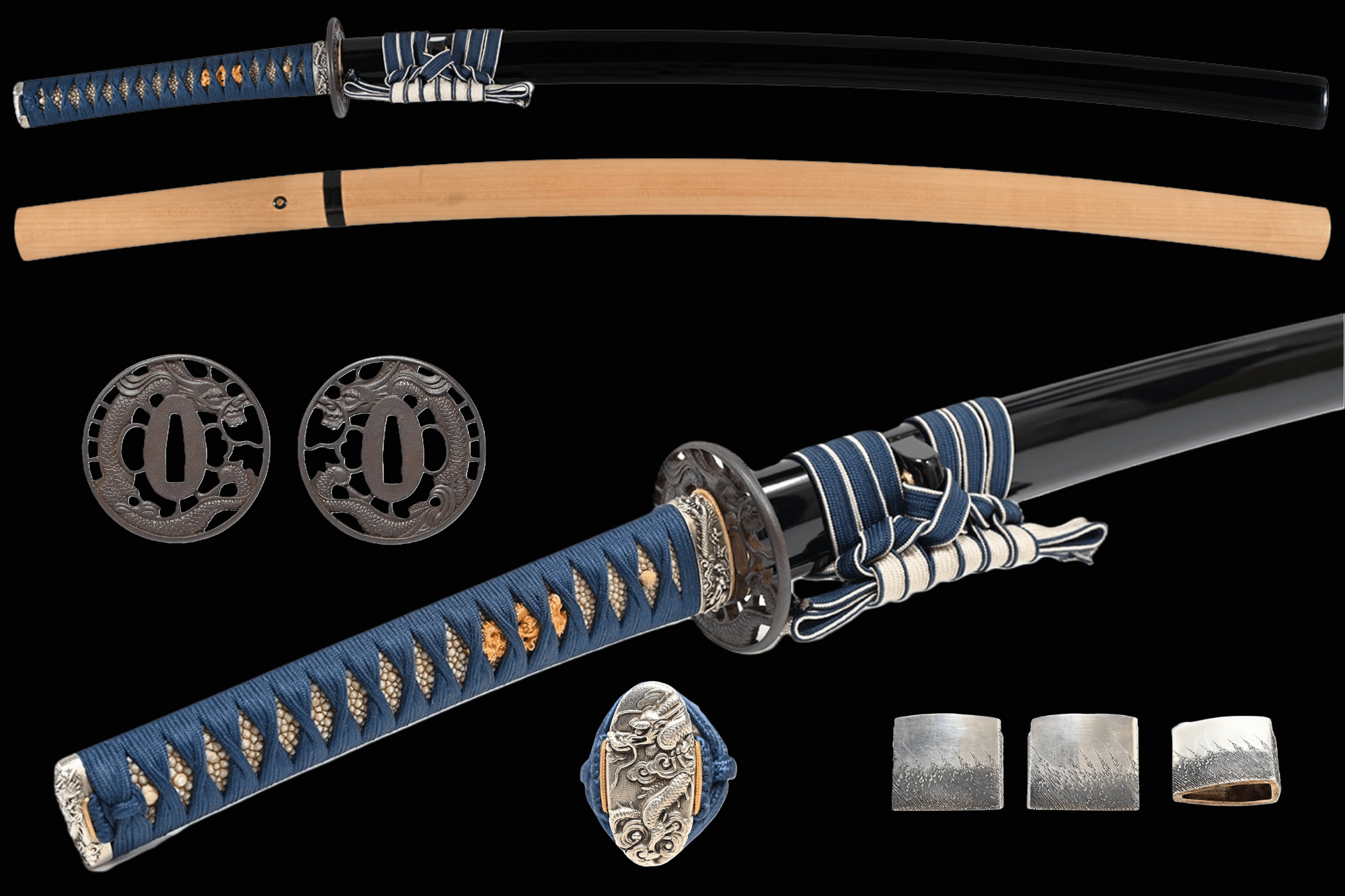
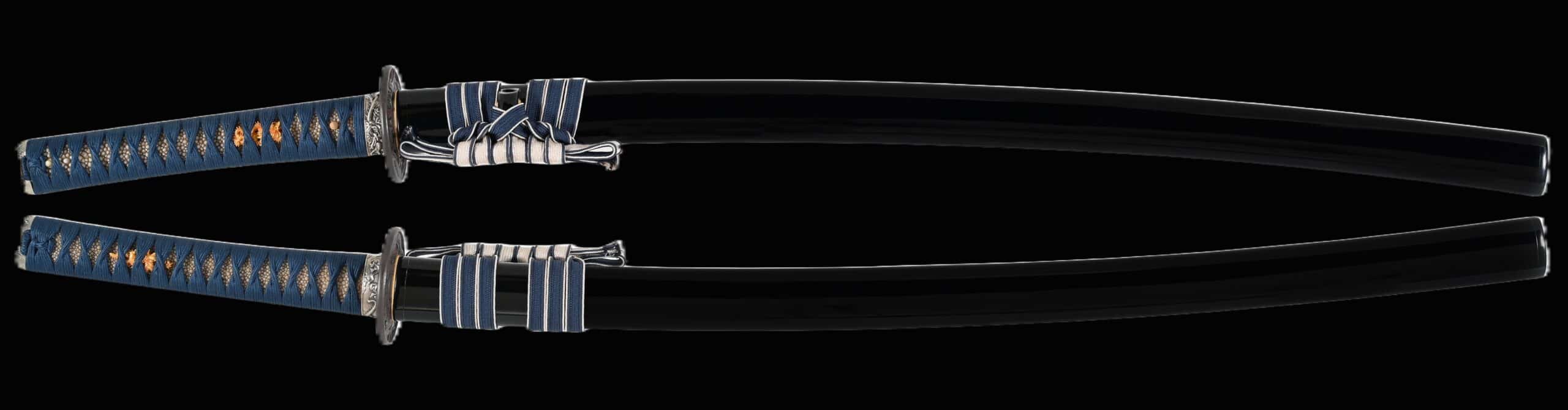
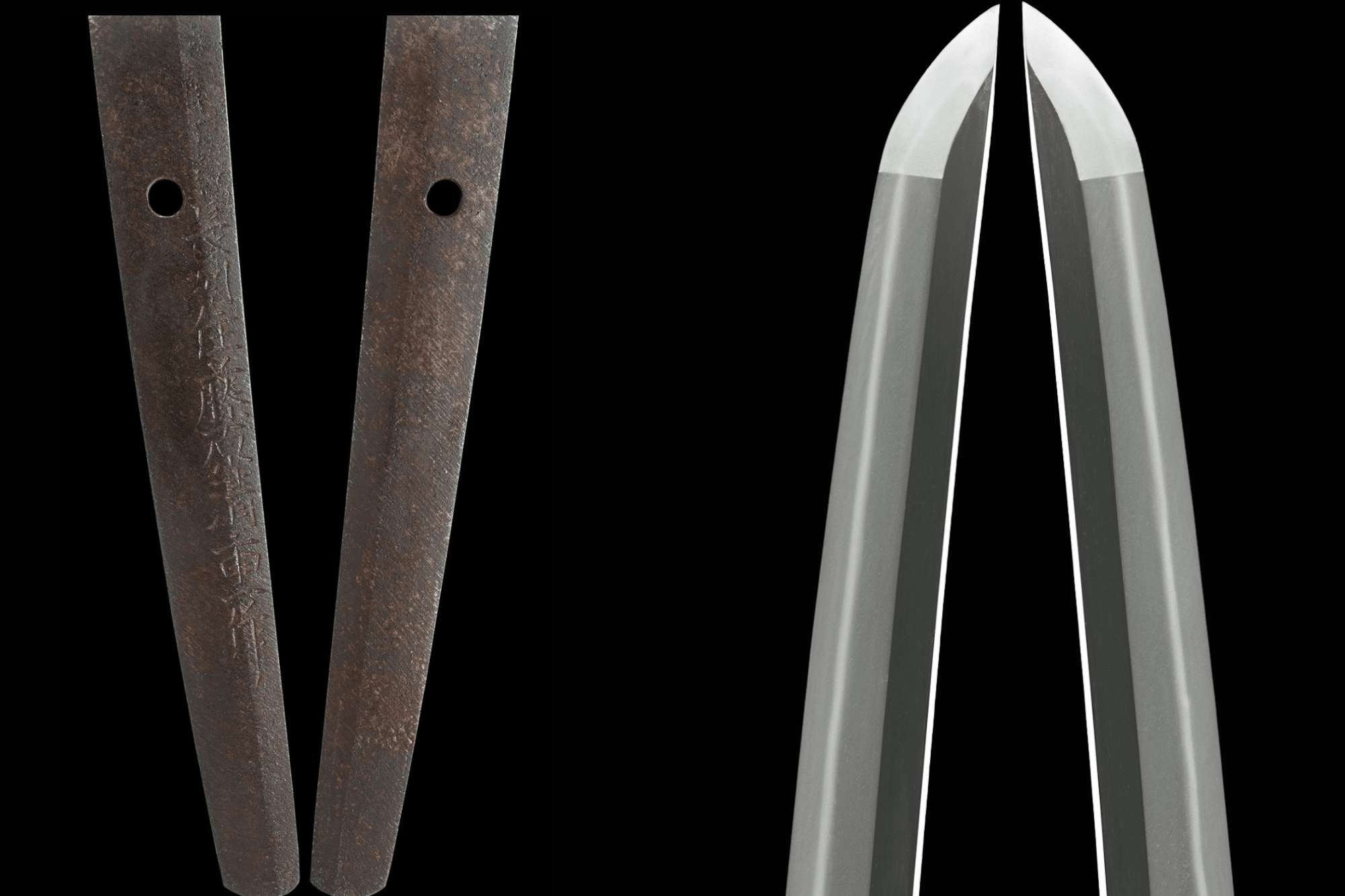
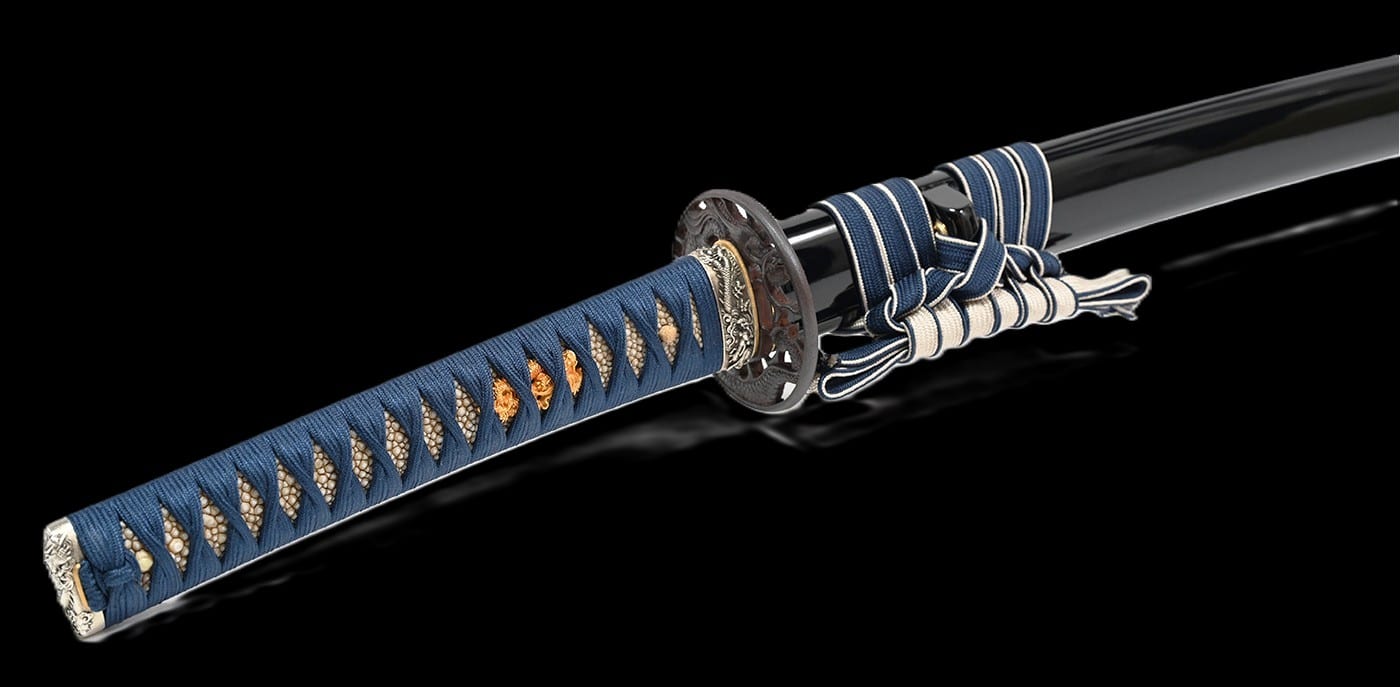
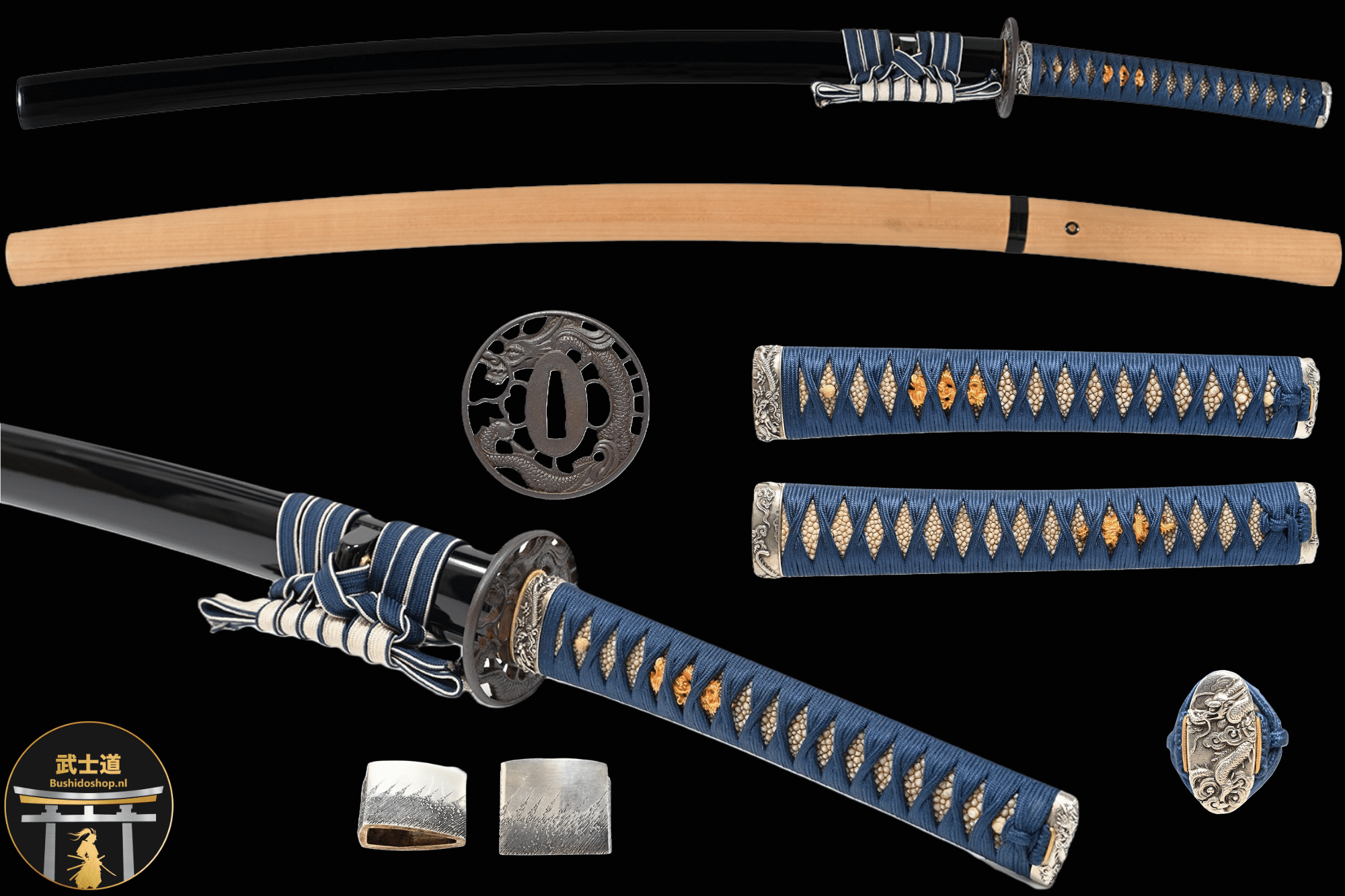

Katana Chōshū Kiyoshige (Fujiwara Kiyoshige)
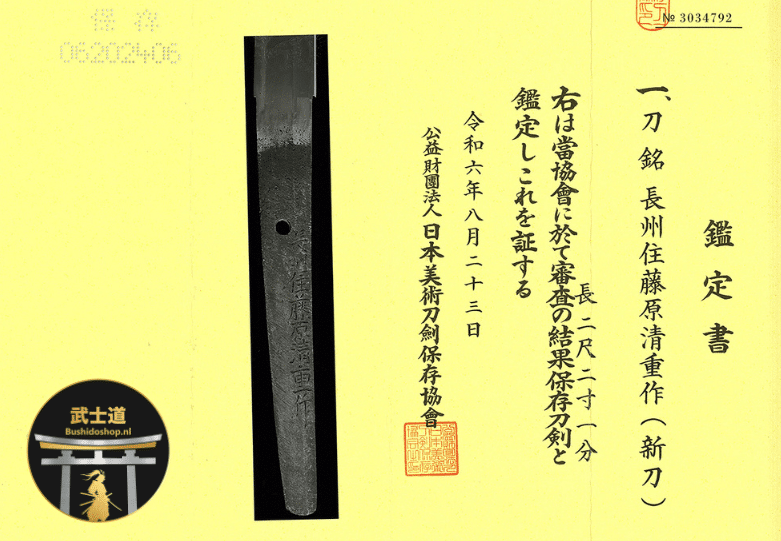
Chu Jōsaku NBTHK Hozon.
This refined Edo-period katana was forged by Chōshū Kiyoshige (Fujiwara Kiyoshige), a swordsmith from Nagato Province, ranked Chu Jōsaku. Kiyoshige belonged to a distinguished lineage descended from the Niō smiths, a family tradition tracing back to the Nanbokuchō period and continuing into the late Edo era. His work is appreciated for its balanced sugata, controlled workmanship, and reliable cutting qualities typical of well-executed Shintō blades.
Samurai Workmanship
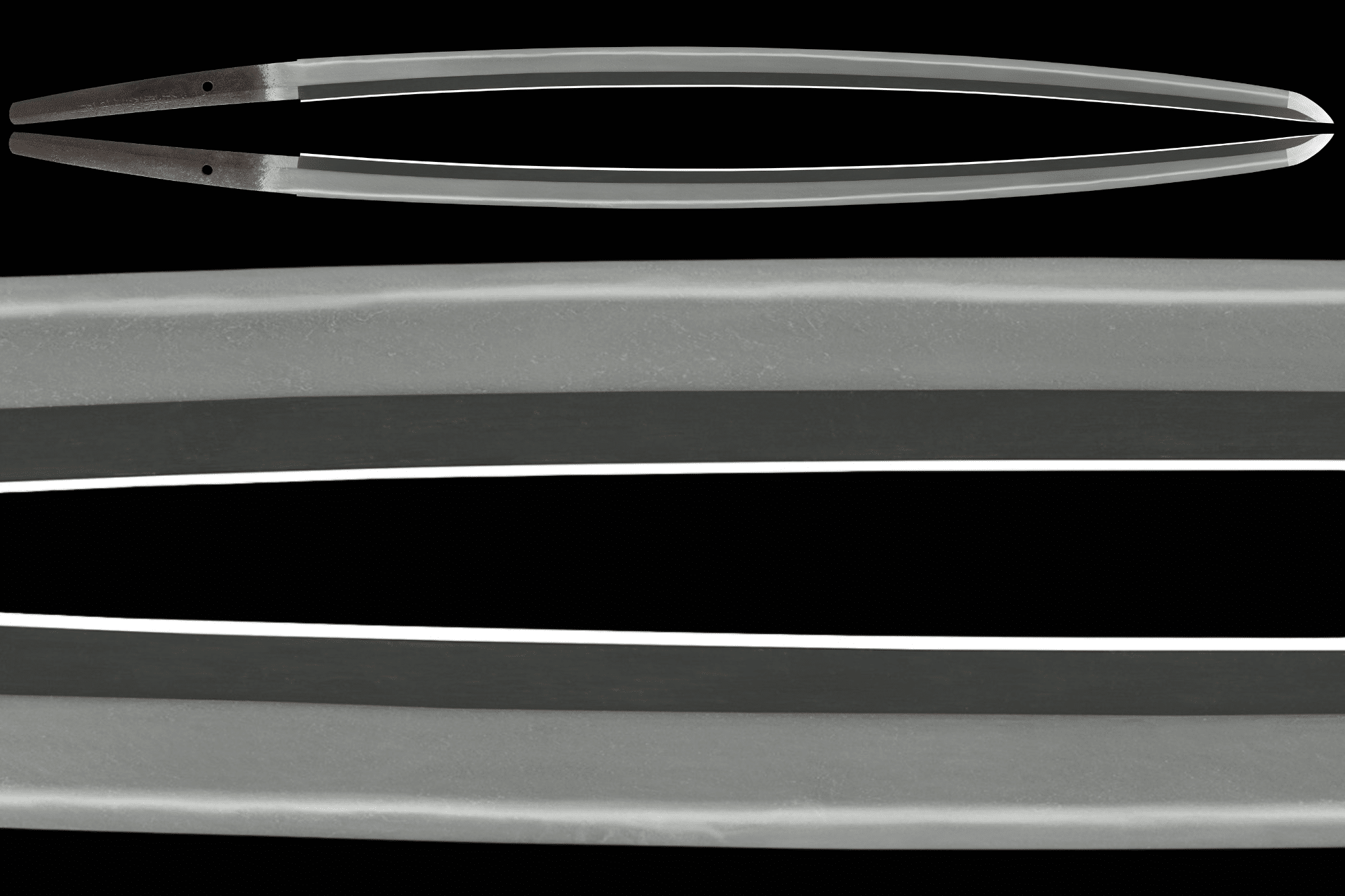
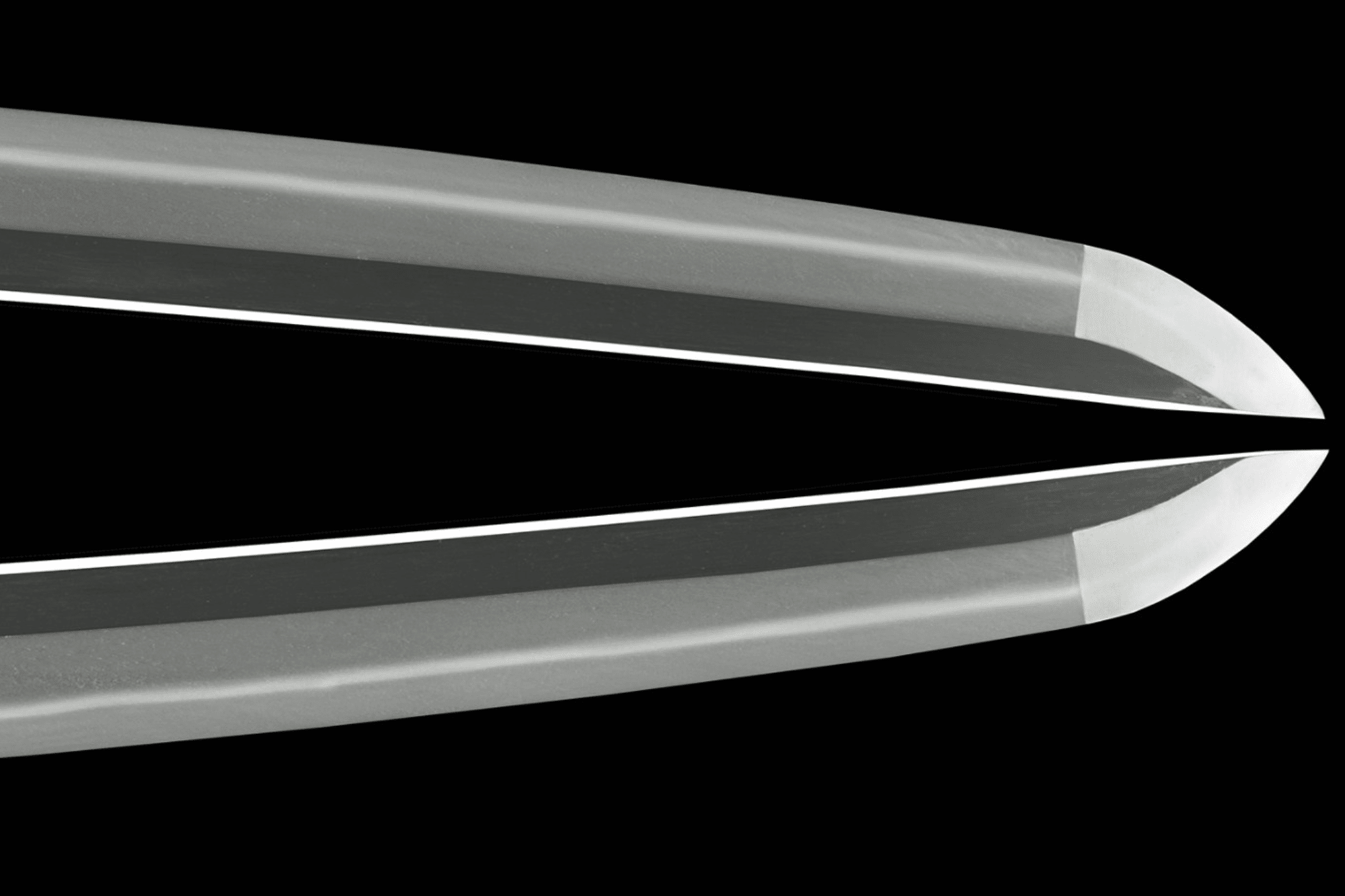
Kiyoshige’s lineage, rooted in the Niō smith tradition, emphasized robust forging methods developed during periods of sustained warfare. The blade shows a well-proportioned sugata with moderate sori, offering excellent handling characteristics. The even kasane and carefully controlled taper from motohaba to sakihaba indicate an intentional focus on strength without unnecessary weight. Such geometry was favored by samurai who required reliability in prolonged use, whether on campaign or in dojo practice.
The workmanship is consistent and disciplined, avoiding excess flamboyance in favor of structural integrity. This aligns with Kiyoshige’s Chu Jōsaku ranking, denoting a smith whose blades were respected for dependable quality and performance rather than experimental or highly decorative traits.
This Edo-period katana by Chōshū Kiyoshige exemplifies practical samurai workmanship, where durability, balance, and cutting efficiency were paramount. Forged in Nagato Province, a region known for producing blades intended for real combat use rather than purely courtly display, this sword reflects the functional ethos of mid Edo Samurai.
Cutting Ability (Tameshi-yō no Kitae)
From a functional perspective, this katana was clearly forged with cutting ability in mind. The balanced curvature aids smooth hasuji alignment, while the solid kasane supports powerful, controlled cuts. Blades from this Chōshū tradition are historically noted for their resistance to chipping and bending, making them suitable for actual tameshigiri-style use during the Edo period.
The overall construction suggests a sword optimized for decisive, efficient cuts against armored or lightly armored opponents precisely the qualities valued by professional samurai. This is not a fragile art sword, but a serious katana forged for service.
Specifications
-
-
Blade length: 67 cm
-
Sori (curvature): 1.8 cm
-
Motohaba: 2.8 cm
-
Kasane: 7 mm
-
Saki-kasane: 4.3 mm
-
Mekugi-ana: 1
-
Period: Edo era, circa 1751
-
Province: Nagato (Chōshū)
-
Certification
-
NBTHK Hozon Tōken (Preserved Sword)
-
Certification & Collecting Value
The NBTHK Hozon Tōken certification confirms the blade’s authenticity, historical importance, and preservation status. For collectors, this katana offers a compelling combination of samurai practicality, historical lineage, and proven workmanship, making it an excellent representative example of functional Edo-period swordmaking rather than a purely aesthetic piece.In summary, this Chōshū Kiyoshige katana stands as a genuine samurai sword balanced, durable, and purpose-built reflecting the martial realities and disciplined craftsmanship of mid-Edo Japan.
Remarks
This sword represents solid mid-Edo craftsmanship from the Chōshū tradition, reflecting the continuity of Niō-influenced forging techniques. With its NBTHK Hozon certification, the blade is confirmed as authentic and well preserved, making it an excellent example for collectors seeking a historically grounded Edo katana with clear provenance and classical proportions.