
Japanese Tantō Horii Hideaki
Forged from the Gun Steel of Admiral Tōgō’s Flagship Mikasa
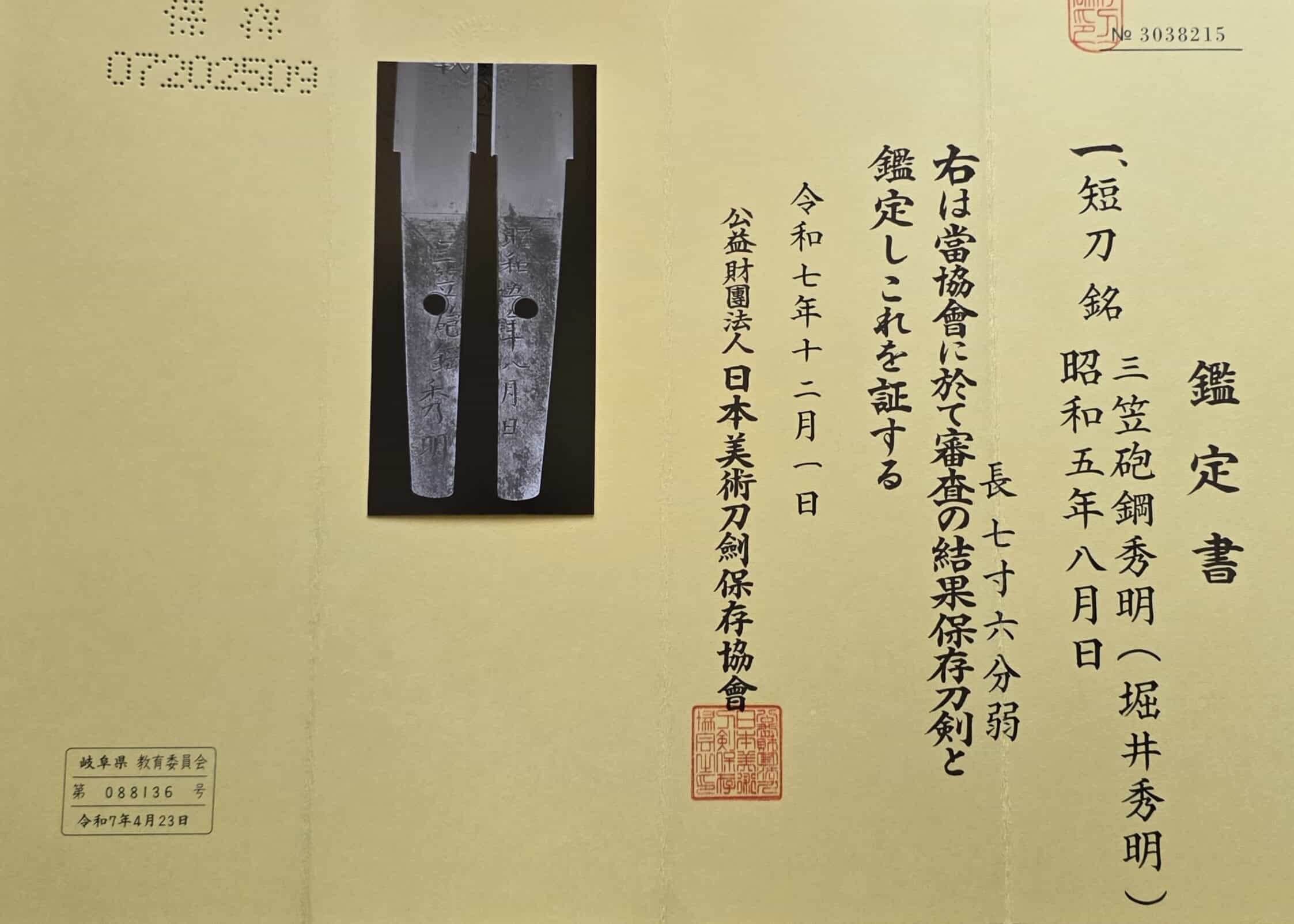
NBTHK Hozon Tōken
Shōwa 5 (August 1930)
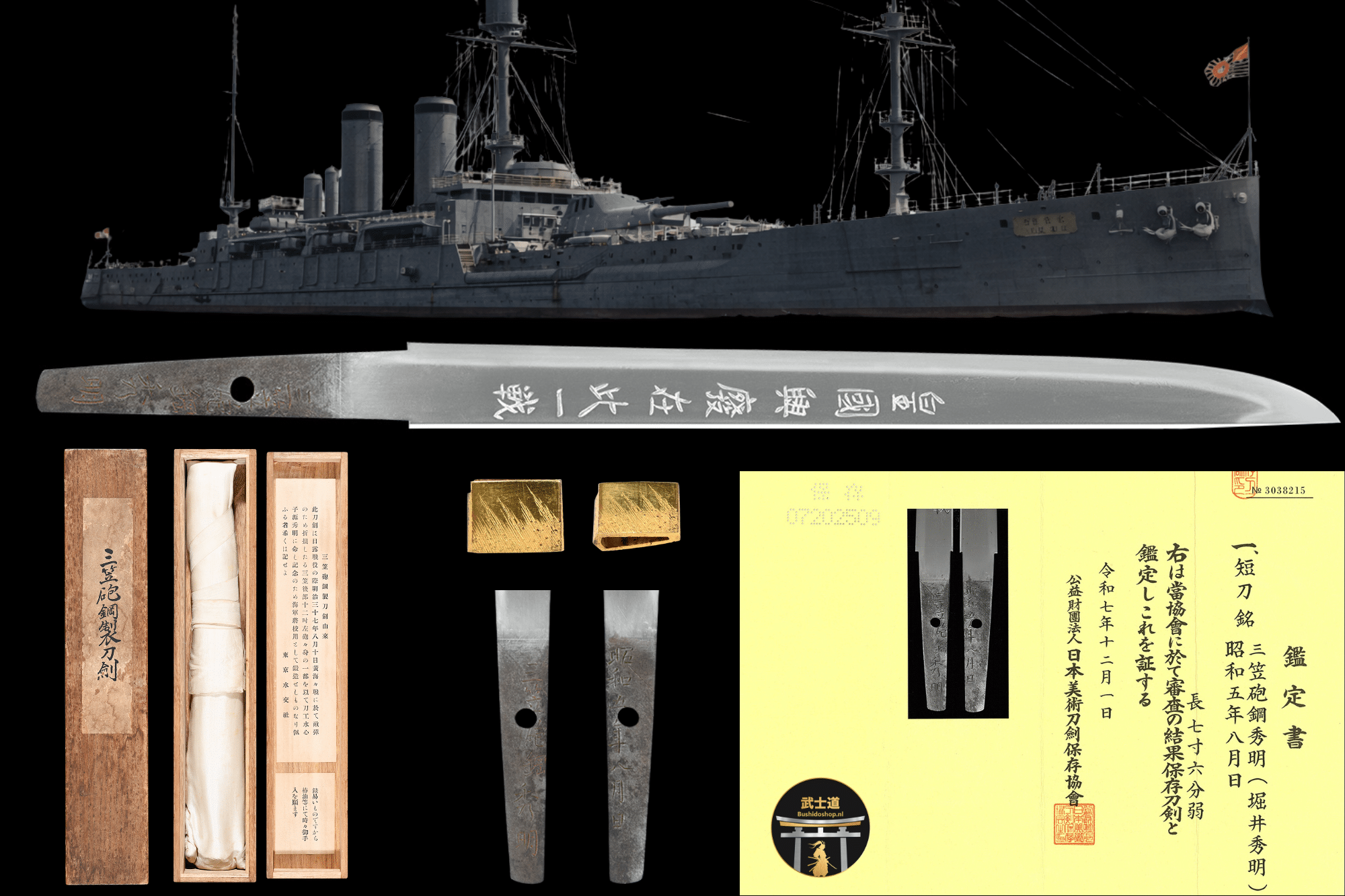
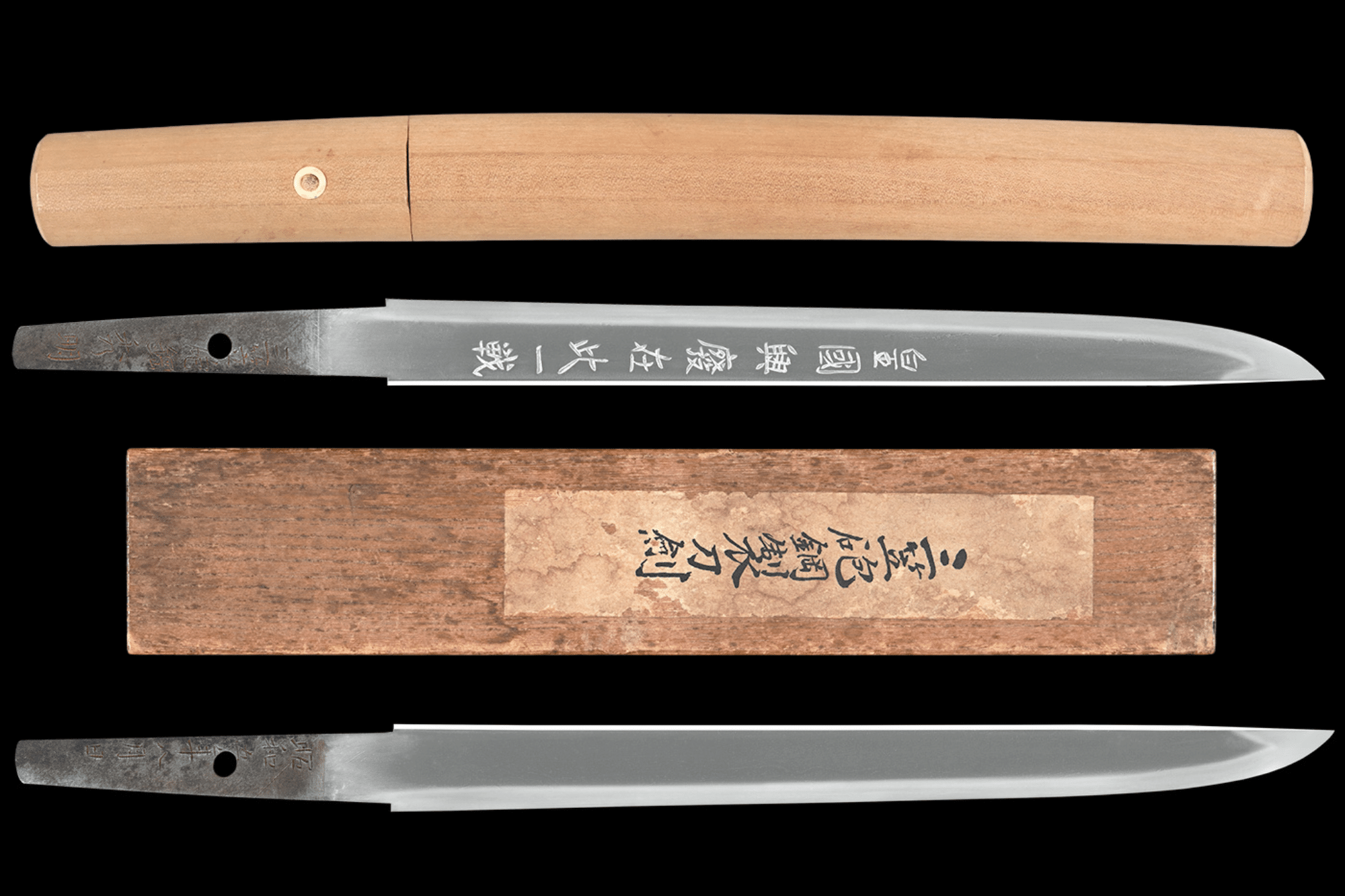
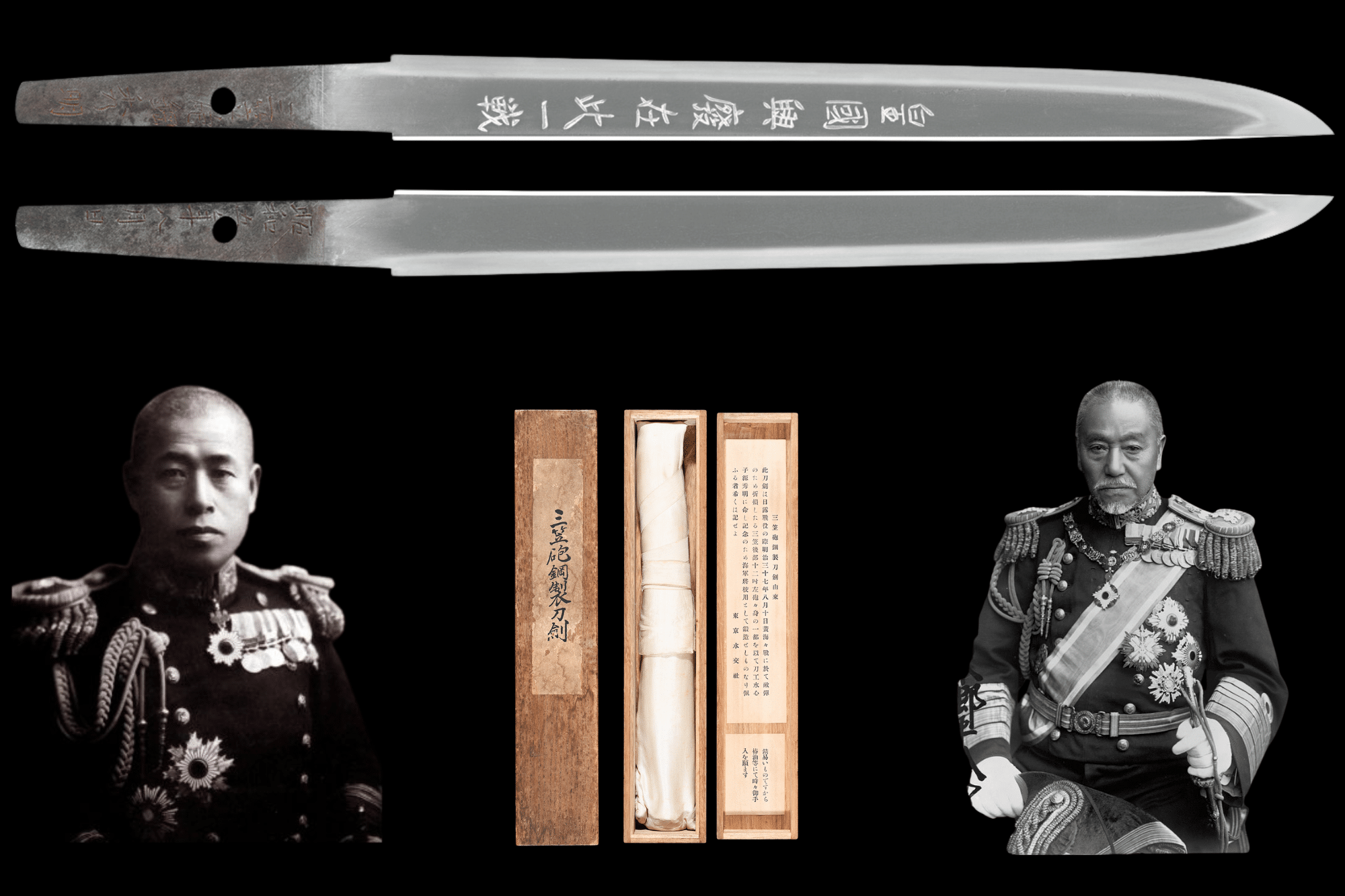
This historically significant tantō was forged in August 1930 (Shōwa 5) by the respected swordsmith Horii Hideaki (堀井秀明) using steel taken from the legendary battleship Mikasa, flagship of Admiral Tōgō Heihachirō during the Russo-Japanese War. The blade represents a remarkable intersection between traditional Japanese swordmaking and modern naval history, combining classical craftsmanship with one of the most iconic symbols of Japan’s emergence as a modern maritime power.
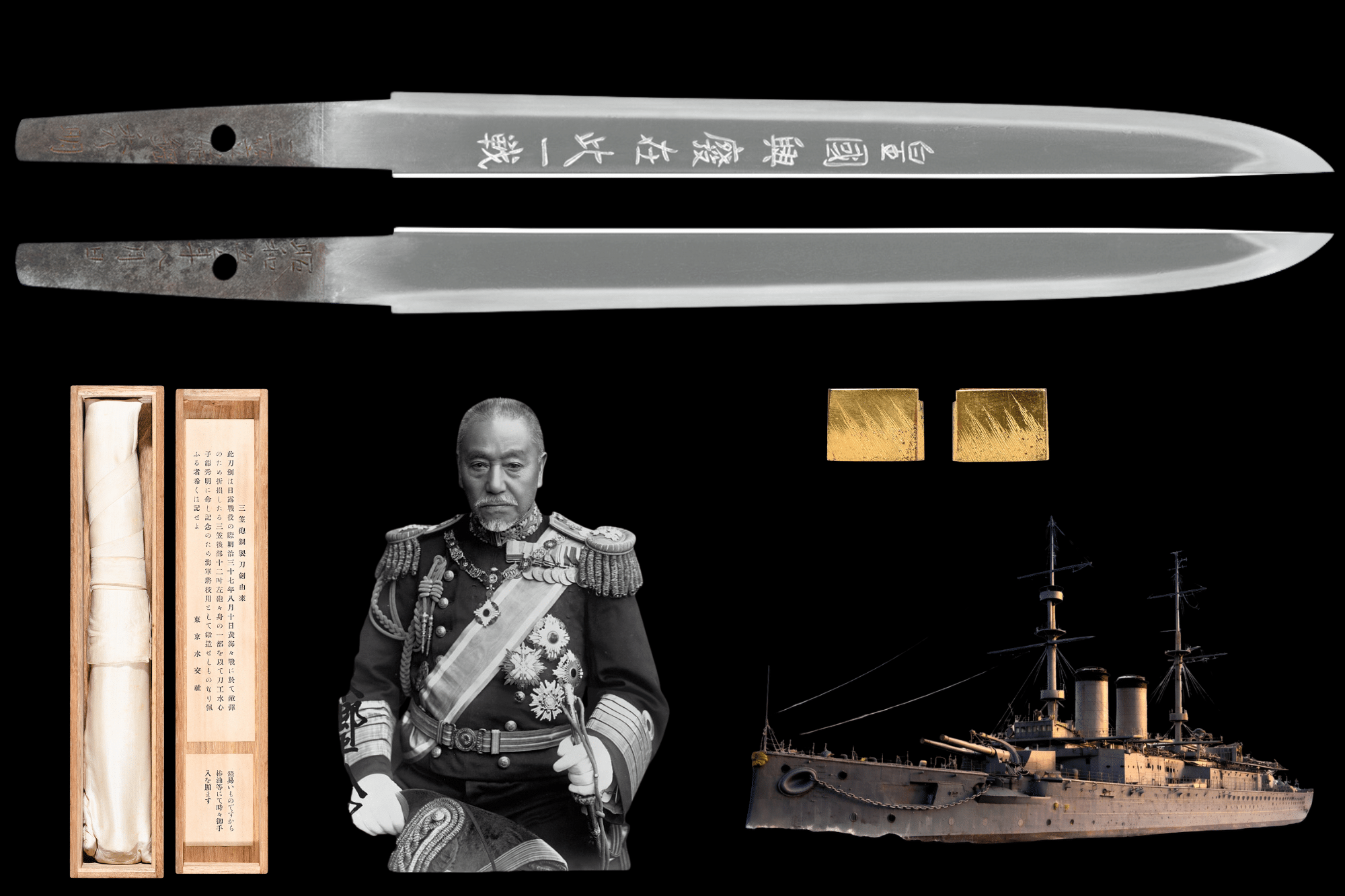
The battleship Mikasa, constructed in Great Britain by the shipbuilder Vickers, became the most celebrated warship of the Imperial Japanese Navy. As Admiral Tōgō’s flagship during the Battle of Tsushima in 1905, Mikasa played a decisive role in Japan’s victory over the Russian fleet, an event that transformed the balance of naval power in the early twentieth century and secured Japan’s reputation as a formidable modern nation.
Following damage sustained during the Battle of the Yellow Sea in 1904, portions of Mikasa’s gun steel were preserved. In the late 1920s the prestigious Naval Officers’ Association Suikōsha initiated a commemorative project in which this historic material would be incorporated into traditionally forged Japanese blades. The purpose was to create symbolic swords that would preserve the legacy of Admiral Tōgō and the naval victories that had shaped modern Japanese history.
The forging of these blades was entrusted to Horii Hideaki, a master swordsmith of the Horii lineage. Born Horii Kanekichi, he originally signed his work Kaneaki before receiving the art name Hideaki in 1913 from the Japanese Sword Preservation Society. The name itself was derived from that of Suishinshi Masahide, the great revivalist swordsmith whose teachings profoundly influenced modern Japanese swordmaking.
Hideaki studied under Horii Taneyoshi and Horii Taketane, later becoming Taneyoshi’s adopted son and successor, ultimately assuming the position of the third head of the Horii swordsmith lineage. He belonged to the generation of revivalist smiths who preserved orthodox swordmaking techniques during the transition from the Meiji period into the early Shōwa era. His work is known for faithfully adhering to traditional forging methods while maintaining the disciplined aesthetics of classical Japanese blades.
During the Mikasa commemorative project Hideaki was working at the Muroran forge in Hokkaidō, where he carefully incorporated a symbolic portion of Mikasa’s gun steel into each blade while maintaining the structure and forging principles of traditional Japanese swordmaking. The result was a series of blades that combined historical naval material with authentic nihontō craftsmanship.
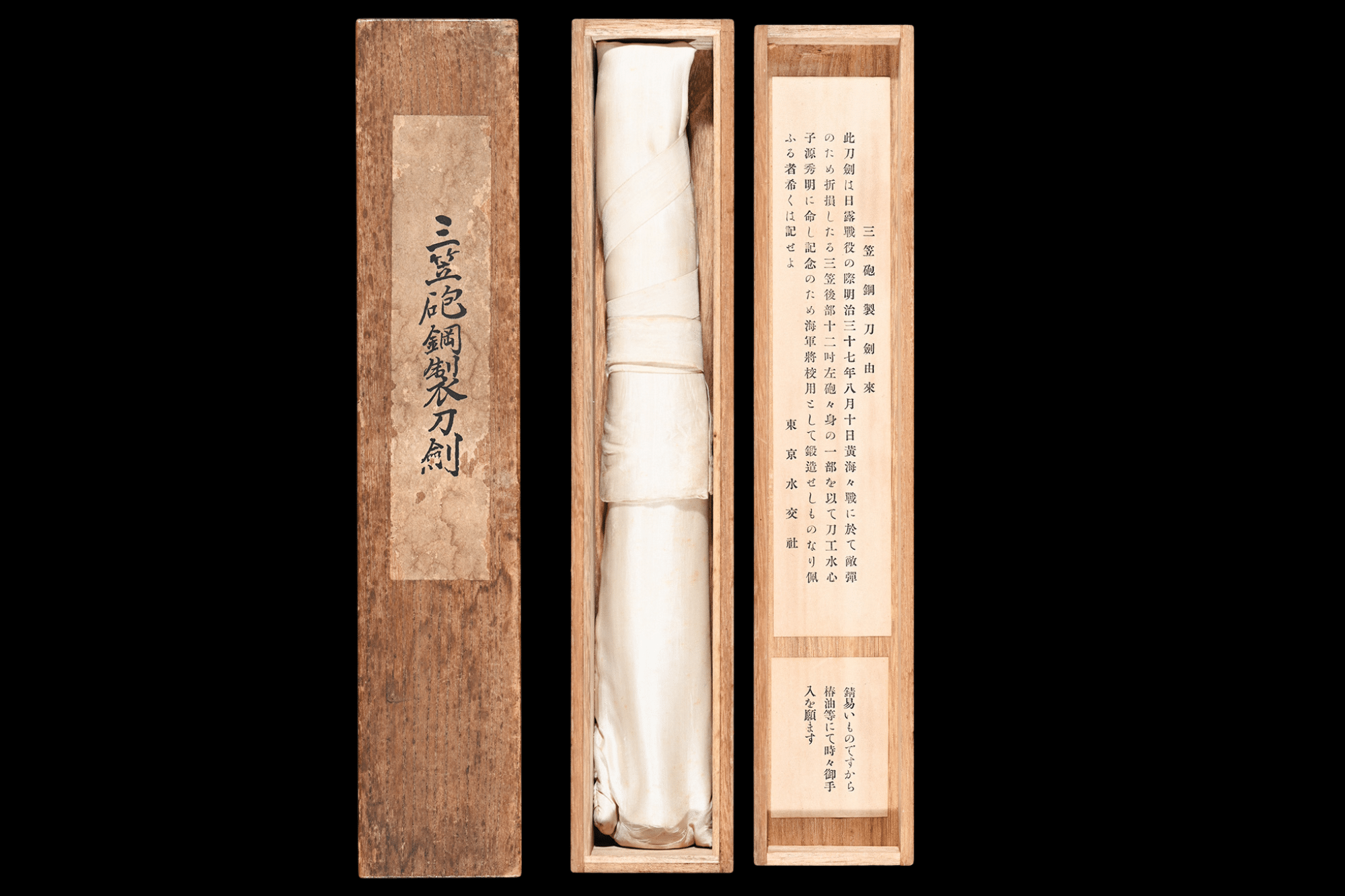
The Mikasa tantō were produced in strictly limited numbers and distributed through Suikōsha to senior naval officers. Contemporary naval tradition records that Admiral Yamamoto Isoroku, later commander of the Imperial Japanese Navy during the Second World War, personally presented Mikasa tantō to distinguished officers. These blades therefore functioned not merely as weapons but as symbols of naval honor, remembrance and institutional heritage.
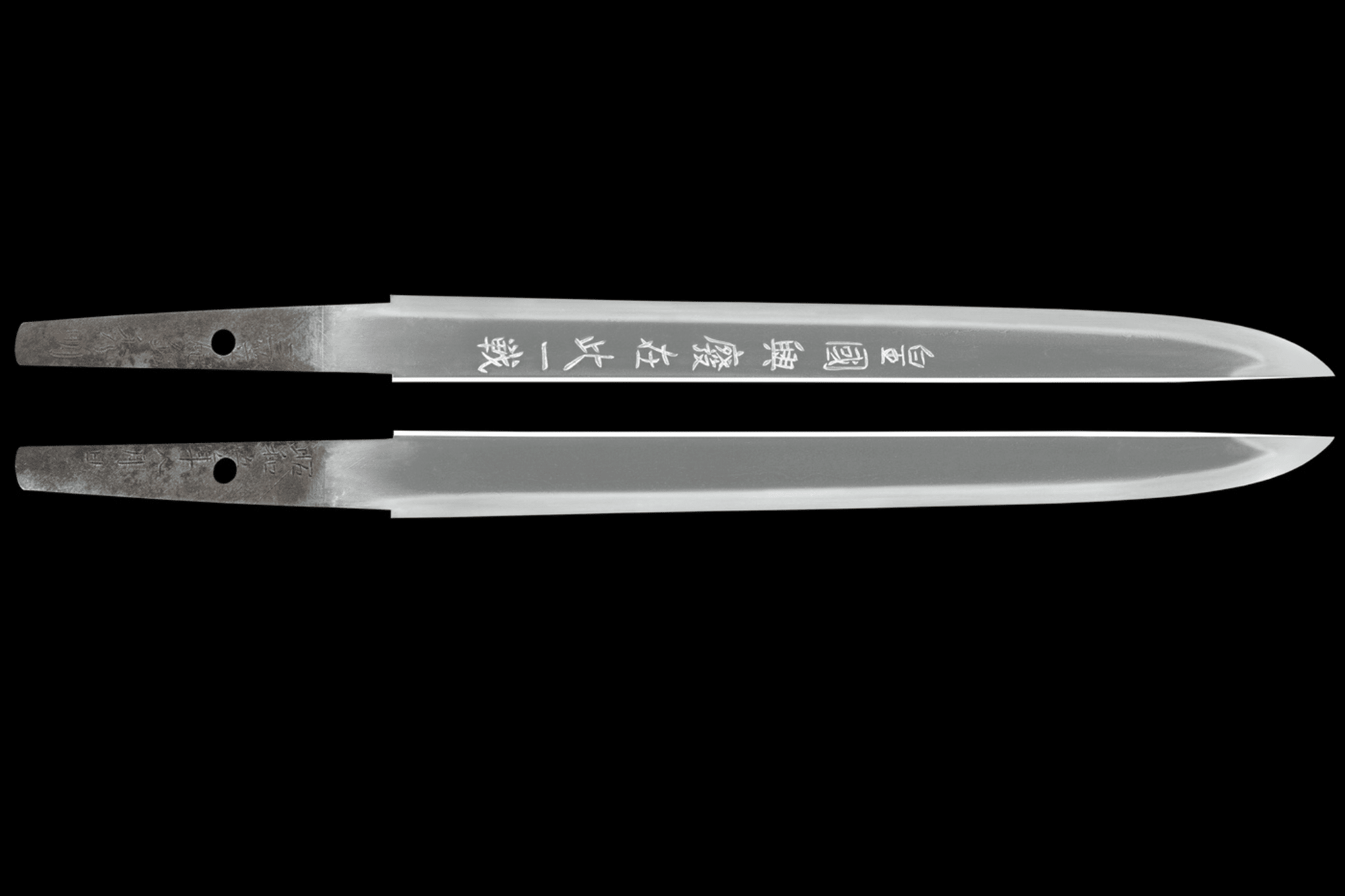
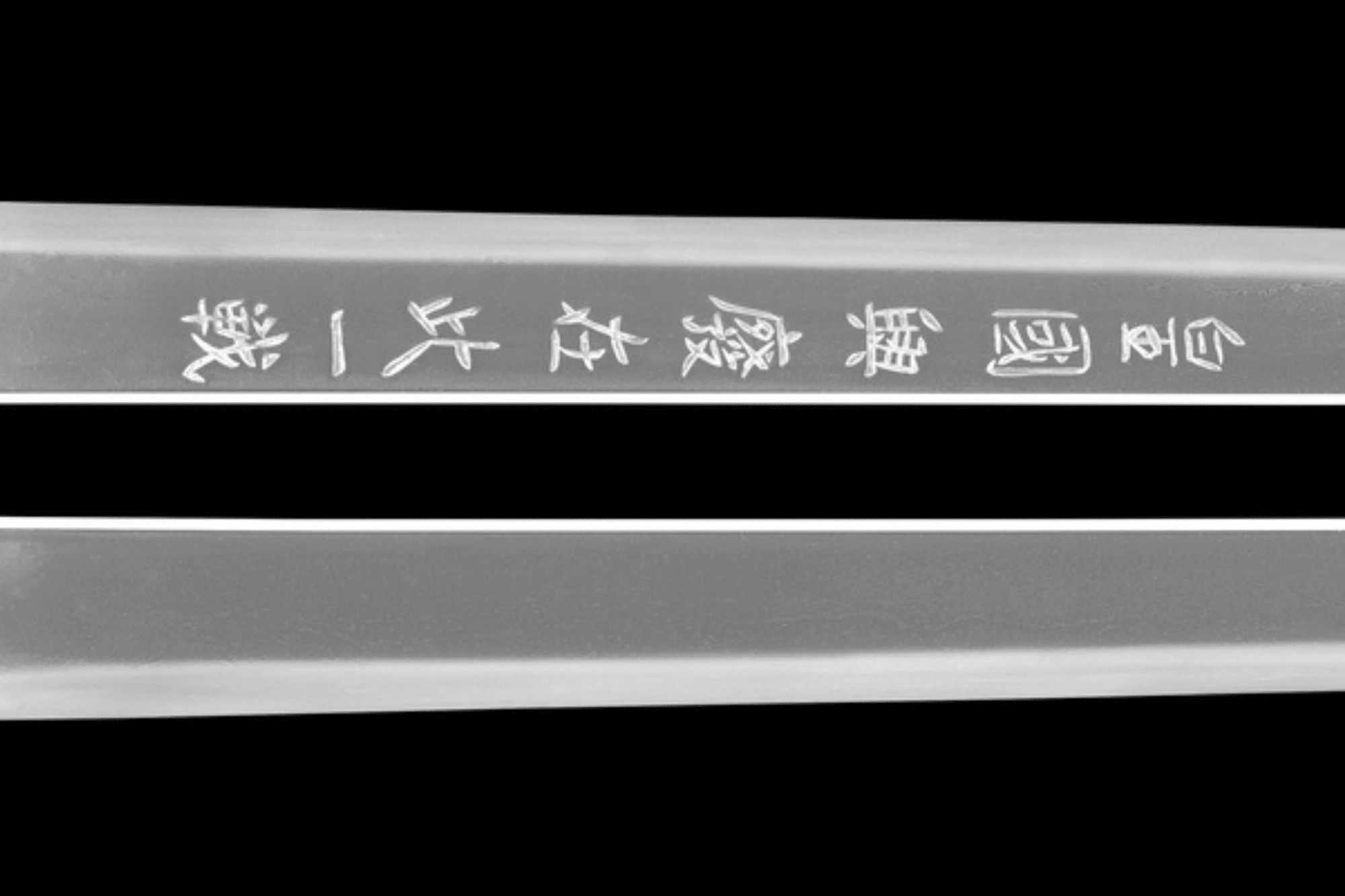
Two principal versions of the Mikasa tantō were produced. Type A examples feature a carved inscription referring directly to Mikasa, while Type B examples omit this detail. The present blade is a Type A example, bearing the characteristic inscription that identifies it with the commemorative project.
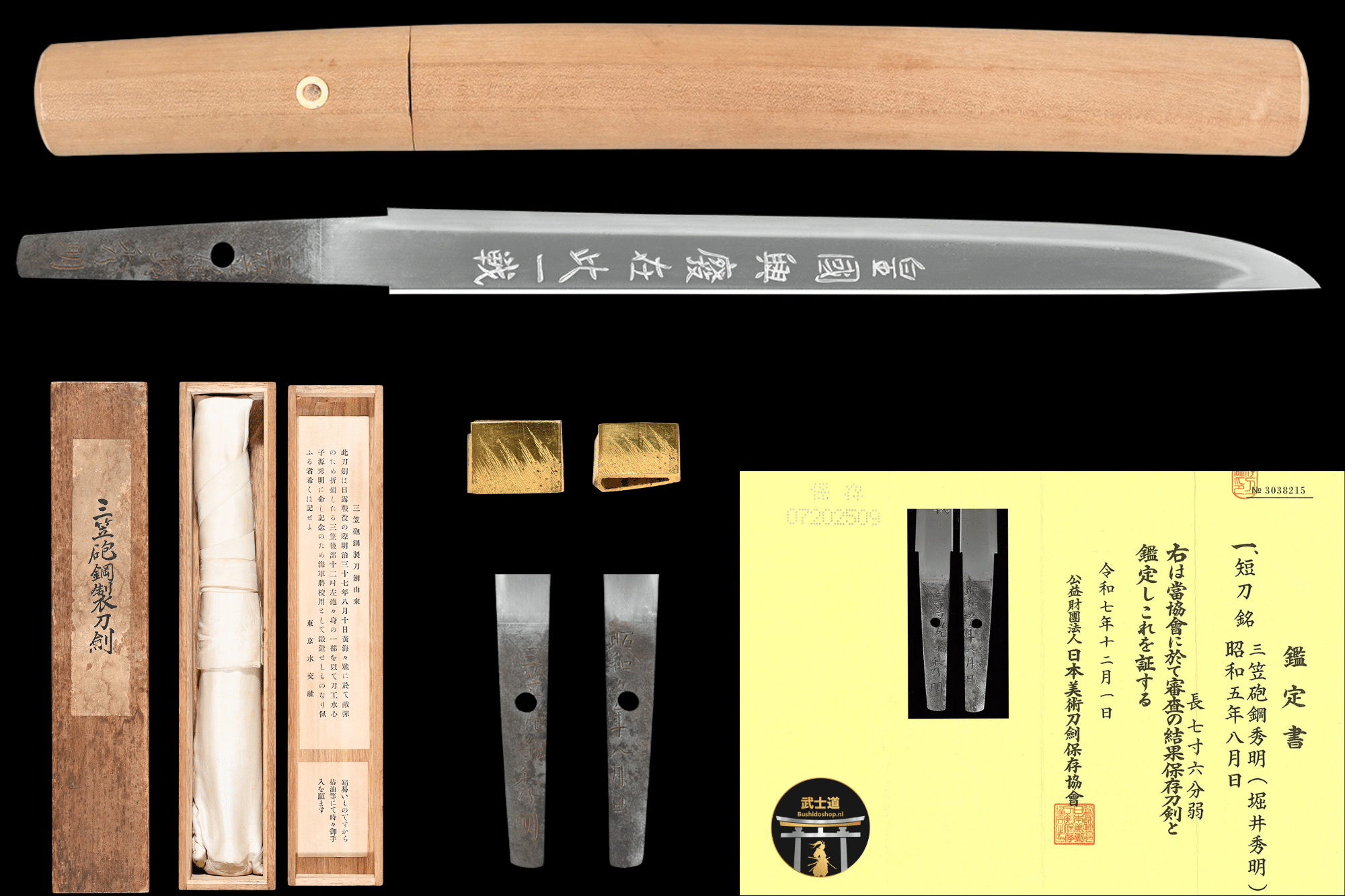
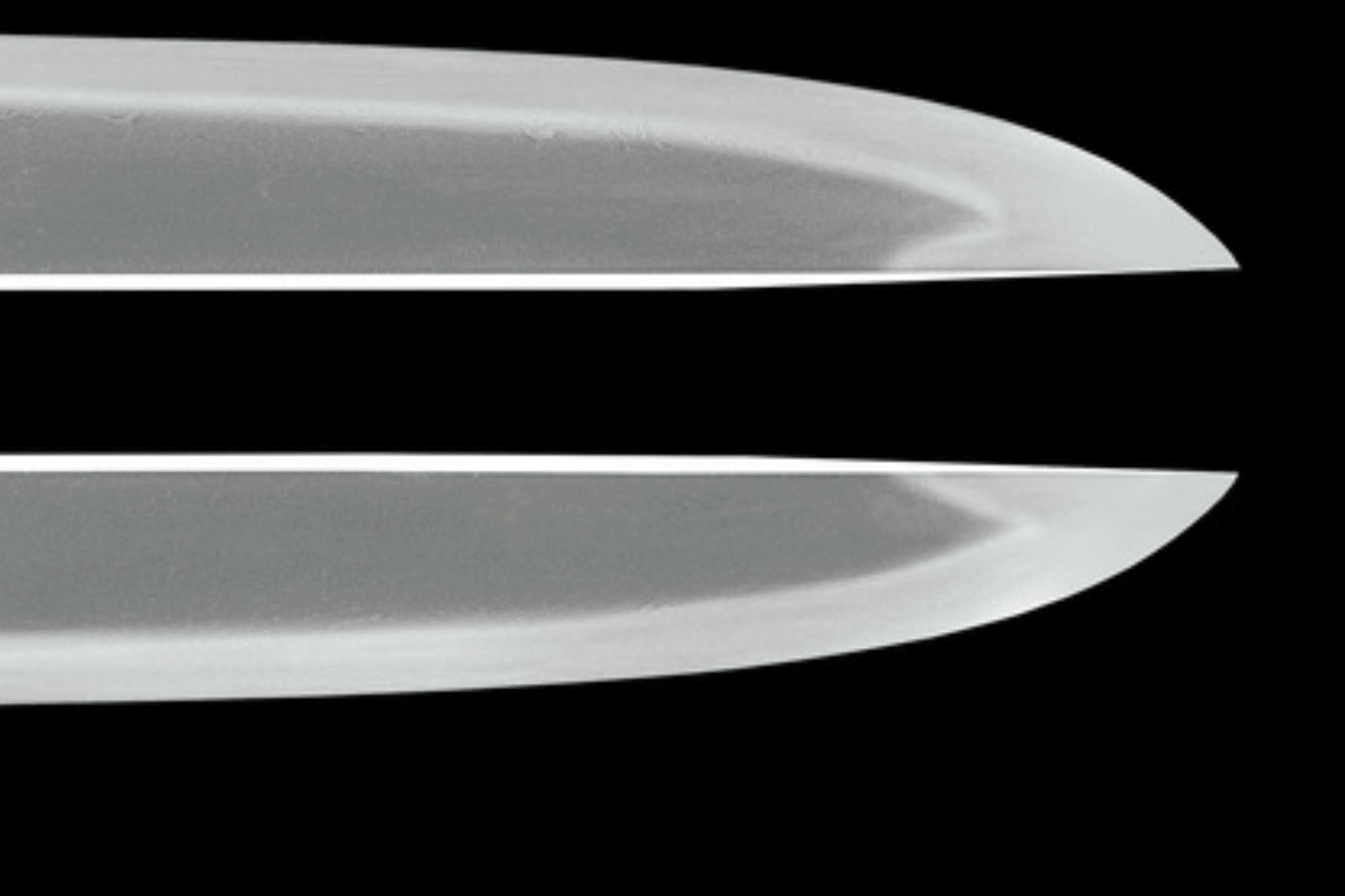
The blade remains preserved in excellent condition and is accompanied by NBTHK Hozon Tōken certification, confirming it as a traditionally forged Japanese sword recognized for both its craftsmanship and historical importance.
The tantō is housed in shirasaya and accompanied by its original Suikōsha presentation box, preserved as originally issued. The inscription on the box corresponds correctly with the blade’s signature and documented Mikasa commemorative examples, further supporting the authenticity and integrity of the complete set.
The historical importance of the battleship Mikasa cannot be overstated. Today preserved as a museum ship in Yokosuka, Mikasa remains the only surviving pre-dreadnought battleship in the world and the most important surviving warship of the Imperial Japanese Navy. As Admiral Tōgō’s flagship she became a powerful national symbol of naval strength and technological progress.
Blades forged using Mikasa gun steel therefore occupy a unique place in Japanese sword history. They stand at the meeting point of three traditions: classical Japanese swordmaking, the memory of Japan’s early twentieth-century naval victories, and the cultural revival of the sword during the early Shōwa period.
Blade length 23.0 cm
Sori 0 cm
Motohaba 2.15 cm
Kasane 5.2 mm
Period Shōwa era, August 1930
Province Hokkaidō
Certification NBTHK Hozon Tōken
Mei inscription
Mikasa hōkō Hideaki saku
“Made by Hideaki using gun steel from the battleship Mikasa”
Mikasa tantō forged by Horii Hideaki are highly sought after by collectors interested in both modern Japanese swords and Imperial Japanese naval history. Examples that retain NBTHK certification together with their original Suikōsha presentation box are particularly scarce today.
This tantō represents an exceptional and historically rich artifact of Japan’s early twentieth-century sword revival and naval heritage, suitable for an advanced private collection or institutional display dedicated to the legacy of the Japanese sword and the history of the Imperial Japanese Navy.