€ 14.600,00

Yoshihara Kuniie Tsuneie Mukansa Katana Tokubetsu Hozon, Sayagaki, Yoshihara Lineage
Mukansa level craftsmanship, Yoshihara lineage, Tokubetsu Hozon and signed sayagaki
Curatorial Overview
Forged in 1971 (Shōwa 46) by Yoshihara Kuniie, signing as Tsuneie, this katana is a Mukansa level work from the distinguished Yoshihara lineage.
The blade is executed as an utsushi of the celebrated Kuriyama Yokuro Sukesada, an Important Cultural Property (Jūyō Bunkazai) attributed to Yosozaemon no Jō Sukesada, one of the foremost masters of the Bizen Osafune tradition.
Works of this nature reflect a direct and deliberate engagement with the highest classical standards and are characteristic of accomplished master swordsmiths.
Yoshihara Lineage
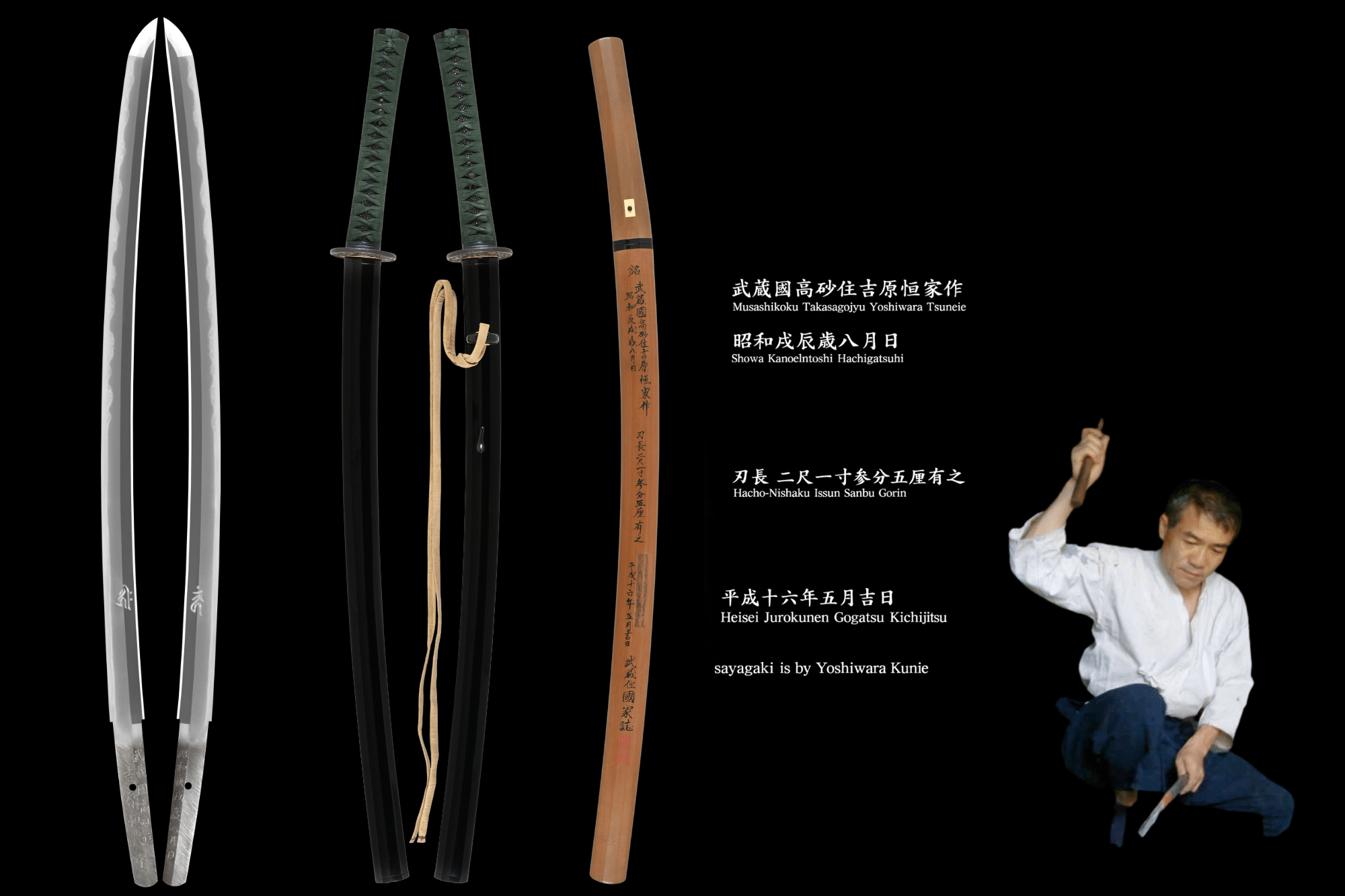
Yoshihara Kuniie (real name Yoshihara Shoji), born in 1945 and passing in 2023, was a central figure within the modern Yoshihara lineage, working from Katsushika Ward in Tokyo.
He was the younger brother of the internationally renowned Yoshihara Yoshindo and trained within the family tradition, inheriting techniques rooted in earlier generations of master swordsmiths.
He received official sword making approval from the Agency for Cultural Affairs in 1965 and quickly distinguished himself at the New Master Sword Exhibition, where he earned numerous special awards.
In 1982, at the age of 37, he was granted Mukansa status, the highest rank within the Japanese swordsmithing community, reserved for masters whose work is no longer subject to competition judging.
Over the course of his career, he held prominent positions within the All Japan Swordsmith Association, including Managing Director, Vice Chairman, and ultimately Chairman.
He was also recognized as an Intangible Cultural Property of Katsushika Ward, Tokyo, reflecting his cultural importance.
In addition to his traditional work, he contributed to the international recognition of Japanese swordmaking through a cameo appearance as a swordsmith in the Warner Bros. film The Last Samurai (2003), after which his work attracted attention from international collectors.
With his passing in 2023, his body of work is now finite.
Work Context
This particular work dates from the early period following his receipt of the Tsuneie name, which was bestowed upon him by Prince Kaya Tsunenori.
It is executed as an utsushi of the Kuriyama Yokuro Sukesada, an Important Cultural Property widely regarded as one of the finest works attributed to Yosozaemon no Jō Sukesada.
The blade reflects a strong and disciplined interpretation of classical Bizen workmanship, demonstrating both technical control and aesthetic restraint.
Certification & Documentation
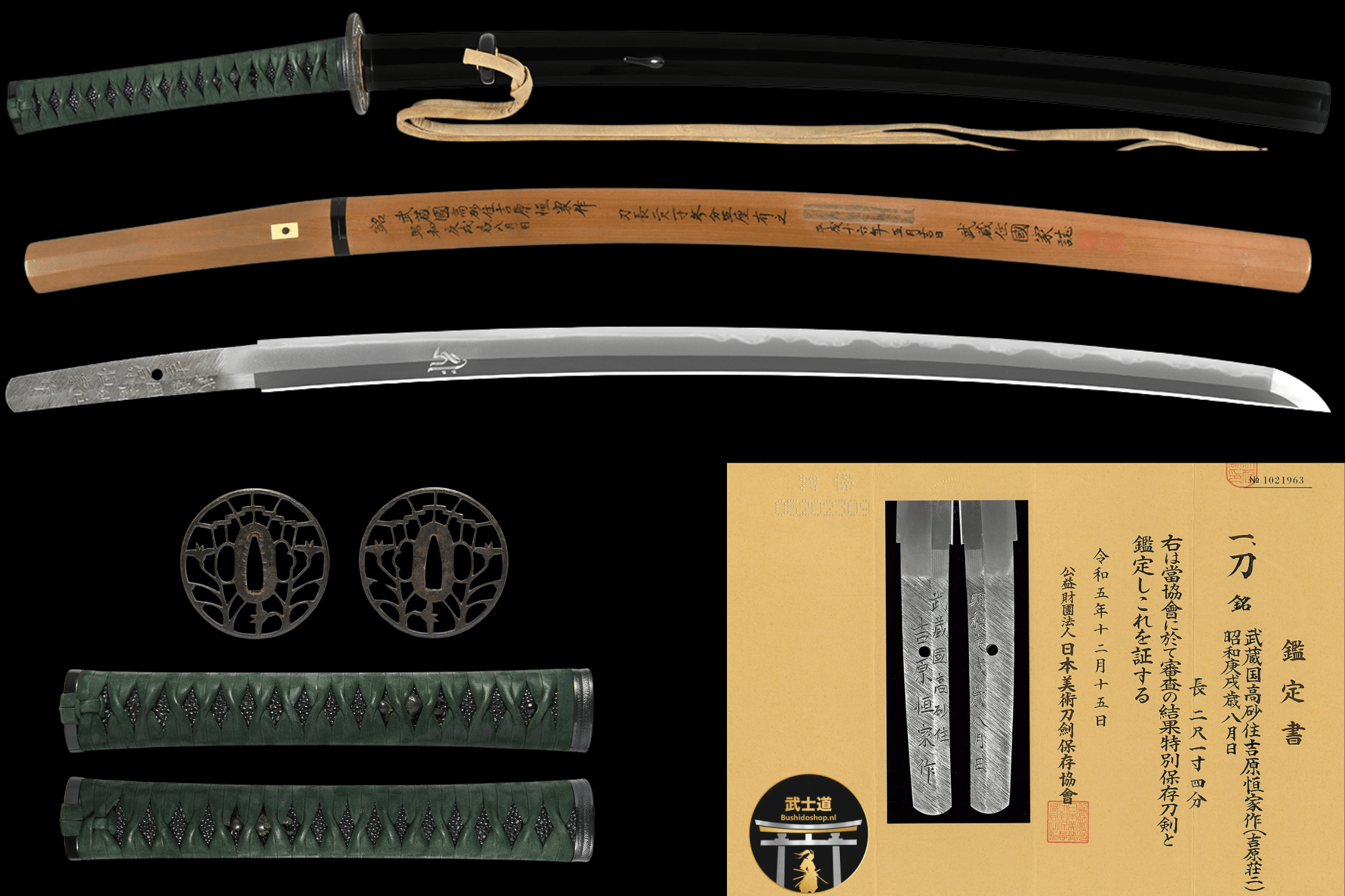
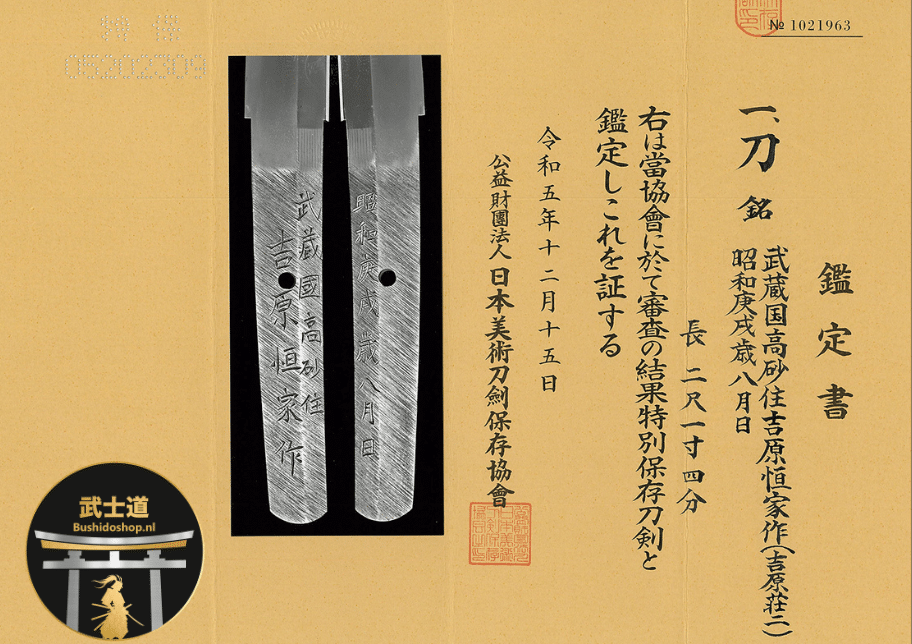
NBTHK Tokubetsu Hozon Token (2023)
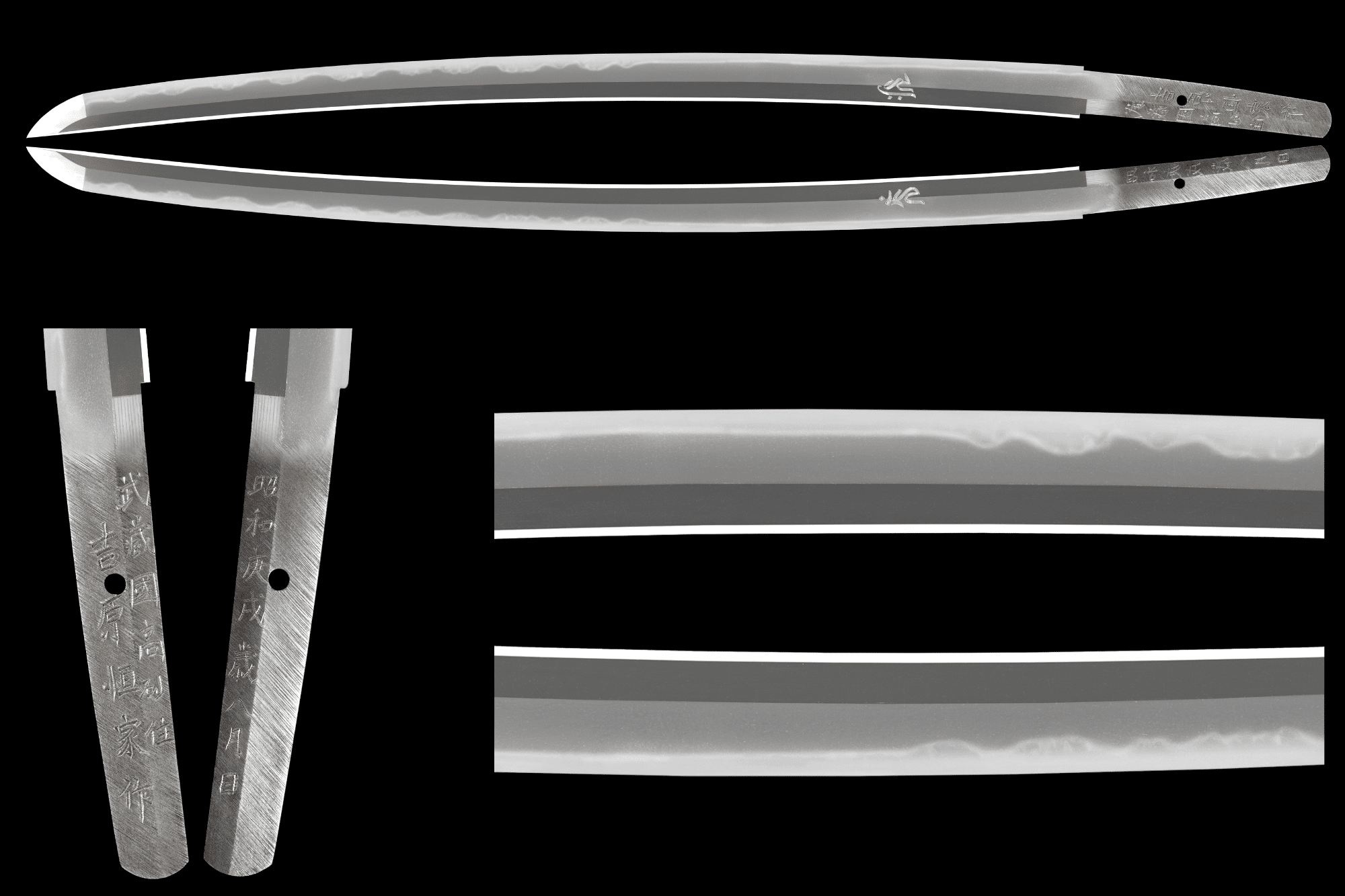
Signed Musashi no Kuni Takasago-jū Yoshihara Tsuneie saku
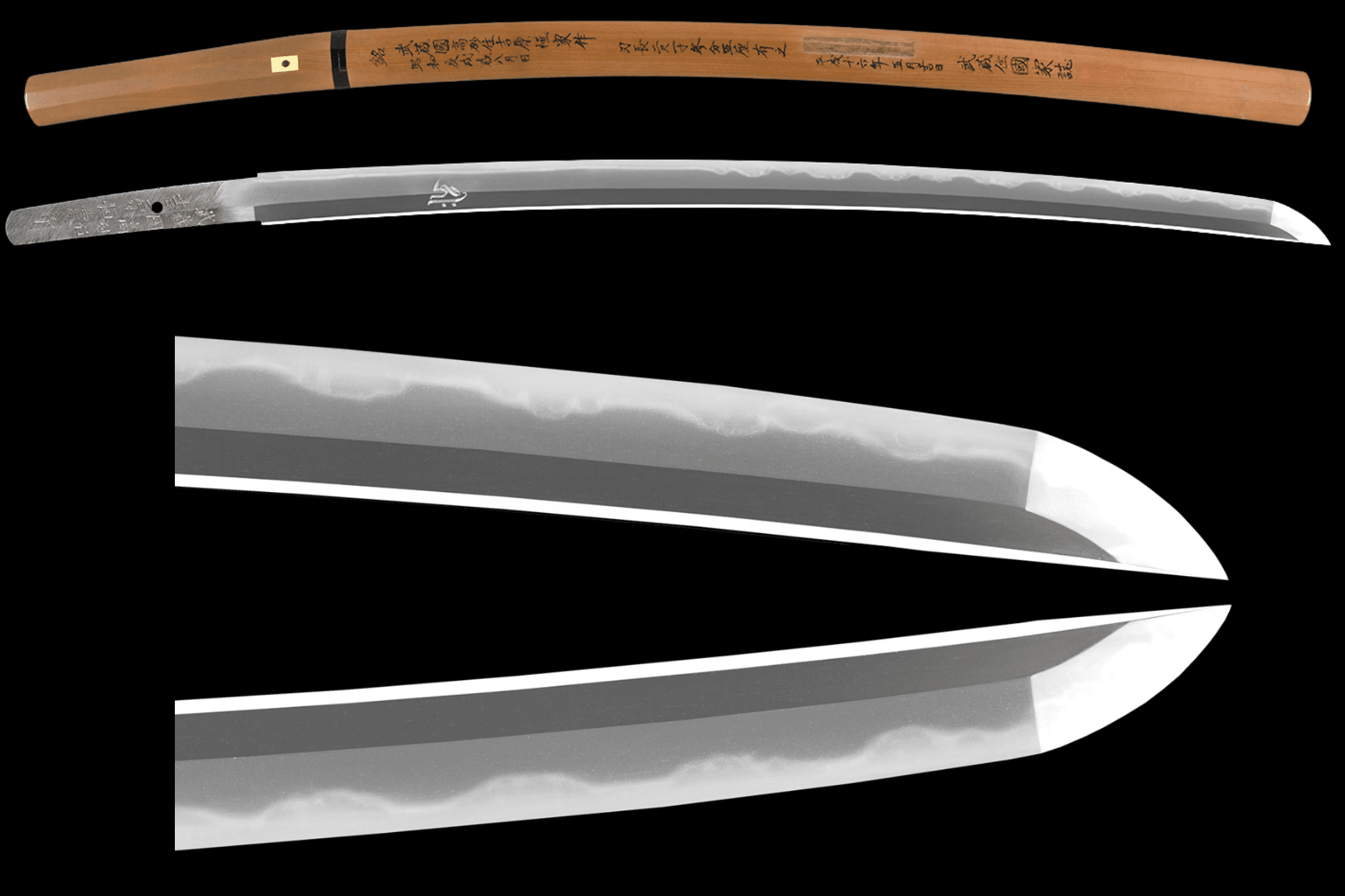
Sayagaki by the smith Yoshihara himself (2004)
Fully consistent mei, documentation and specifications
Technical Specifications
Nagasa 64.7 cm
Sori 1.8 cm
Motohaba 3.25 cm
Kasane 8.5 mm
Sakihaba 2.3 cm
Sakikasane 5 mm
Mekugi-ana 1
Period Shōwa 46 (1971)
Origin Tokyo, Japan
Characteristics
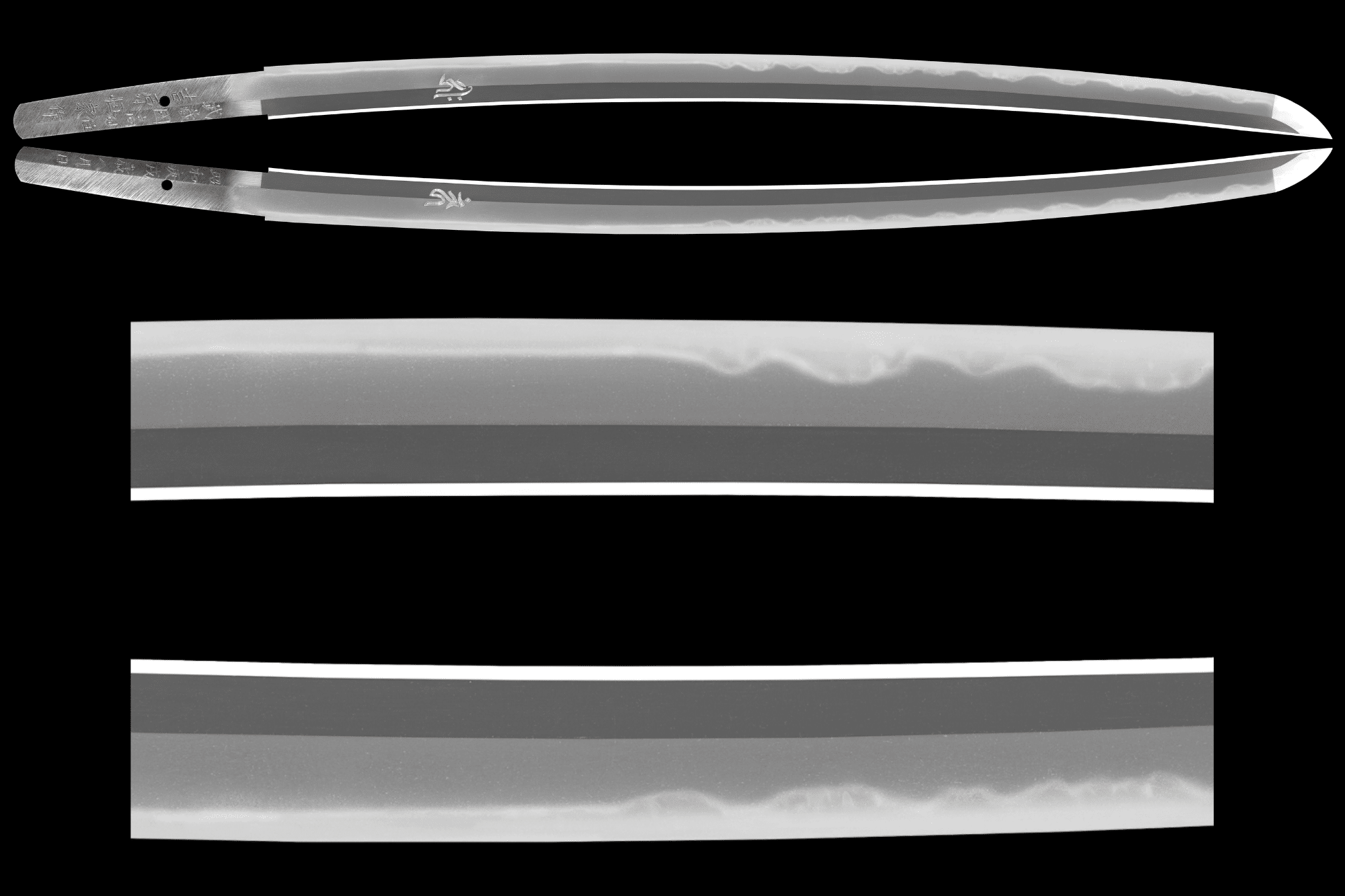
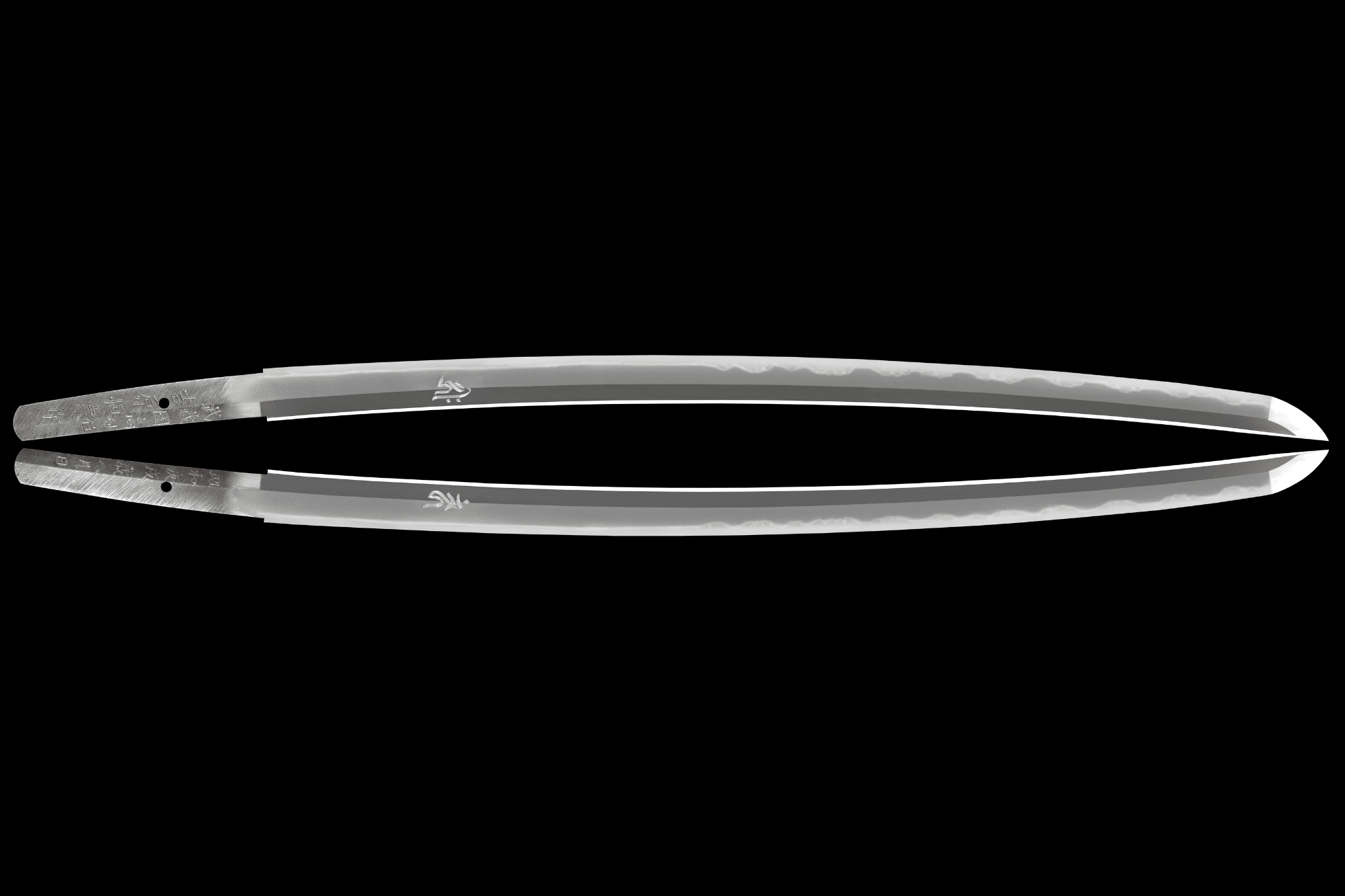
The blade presents a well balanced and powerful sugata, with a strong mihaba and controlled curvature.
The hamon displays a refined and composed pattern in keeping with classical Bizen-inspired workmanship, reflecting the influence of Sukesada traditions.
The jihada is subtle yet well forged, supporting the overall impression of quality and control expected from a Mukansa-level smith.
The overall construction demonstrates both structural strength and aesthetic restraint, characteristic of high-level modern craftsmanship.
Koshirae
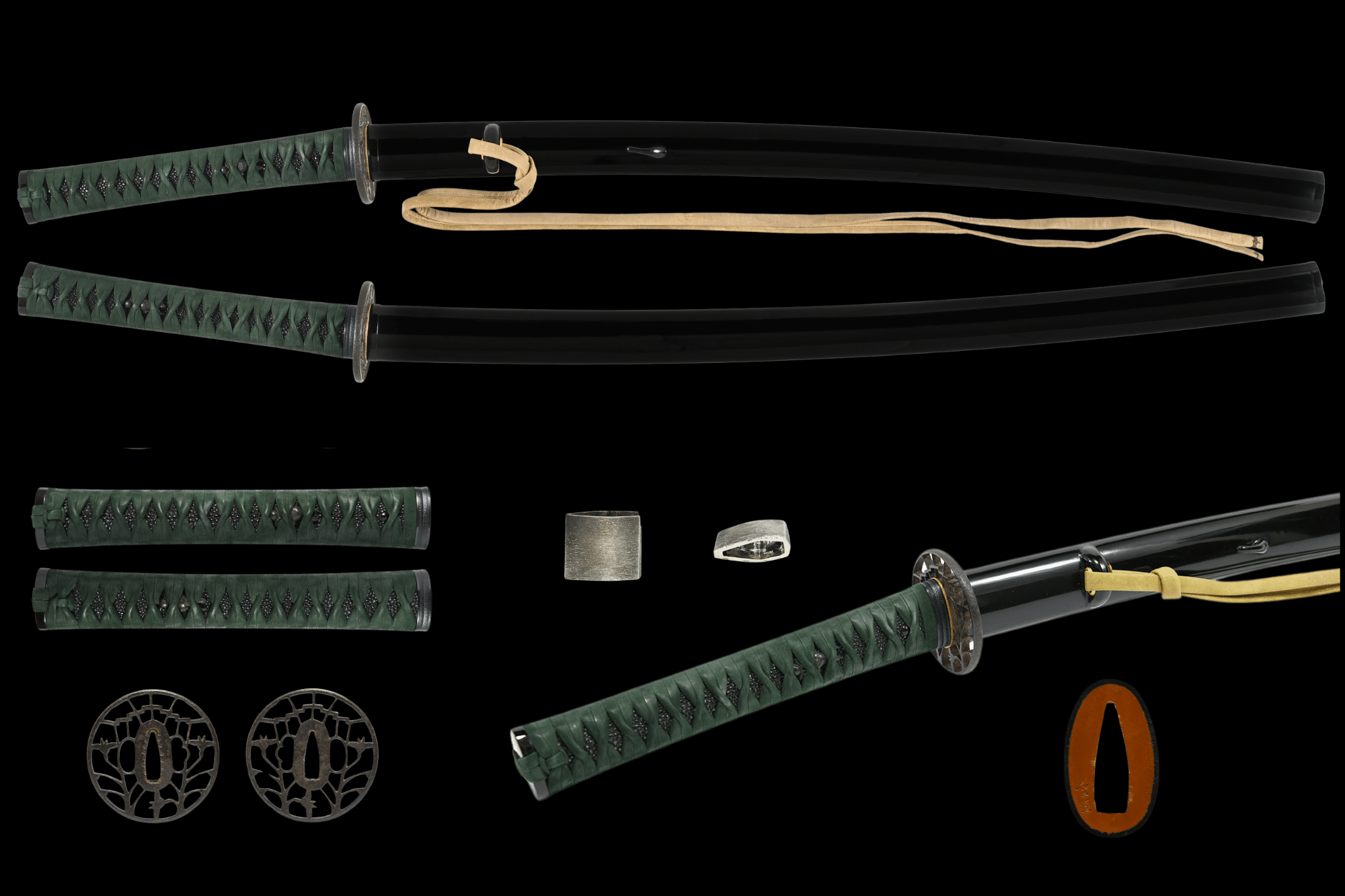
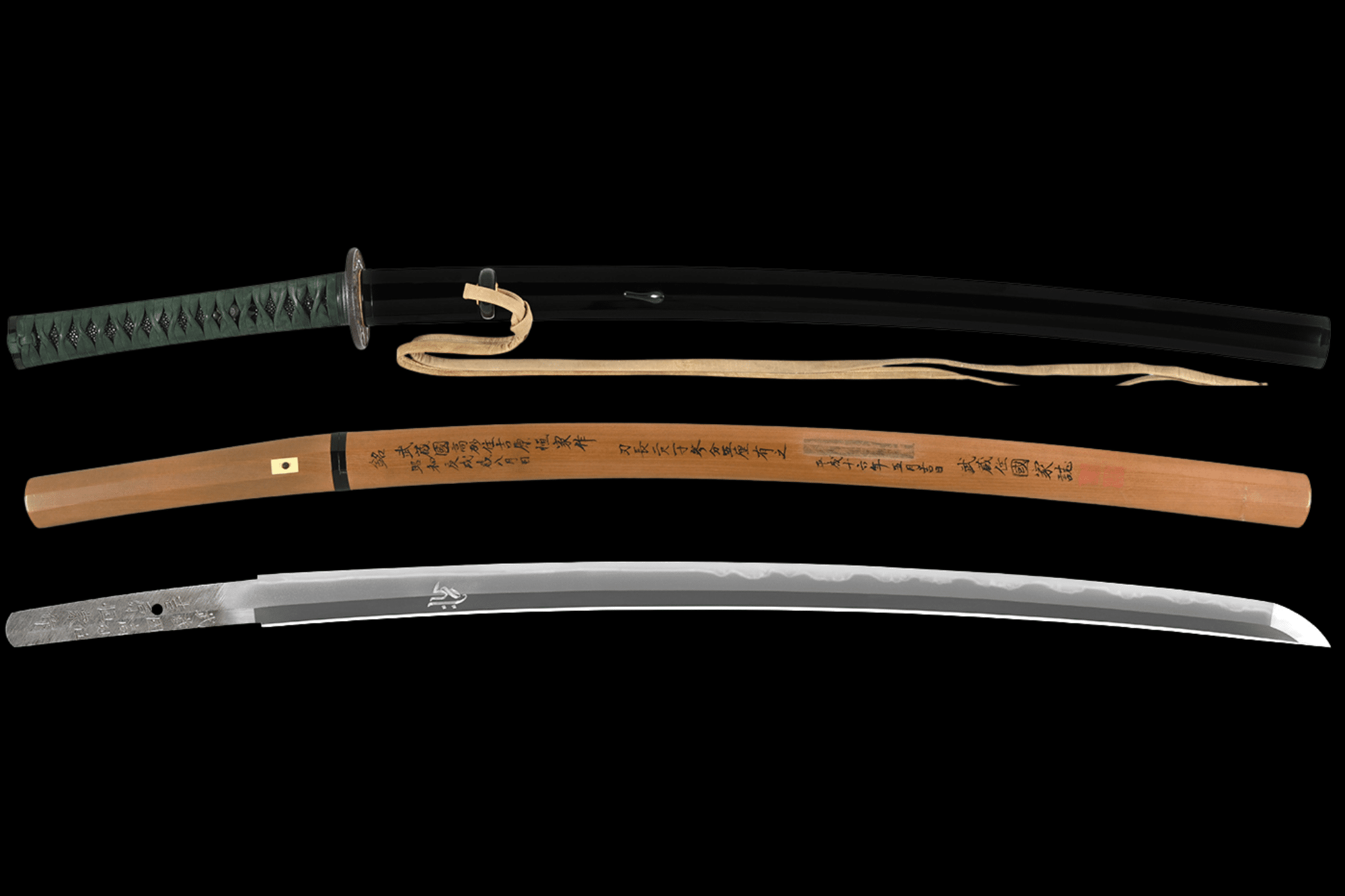
Mounted in a well-matched koshirae featuring a lacquered saya with sayagaki, complemented by a distinctive green tsukamaki.
The mounts provide a balanced and visually appealing presentation, supporting the overall character of the blade.
The fittings are executed in the Tenshō style, with metalwork attributed to Katayama Shigehisa, adding an additional layer of craftsmanship and historical reference to the mounting.
Collectibility
This katana combines Mukansa-level workmanship, Yoshihara lineage, Tokubetsu Hozon certification, a sayagaki by the smith, and an utsushi of an Important Cultural Property.
Examples of this level, particularly with this degree of documentation, early-period signature, and preservation, are rarely encountered on the open market.
Conclusion
A highly complete and well documented Mukansa katana, offering a rare combination of lineage, certification, historical reference, and craftsmanship, intended for the serious collector.