€ 8.500,00

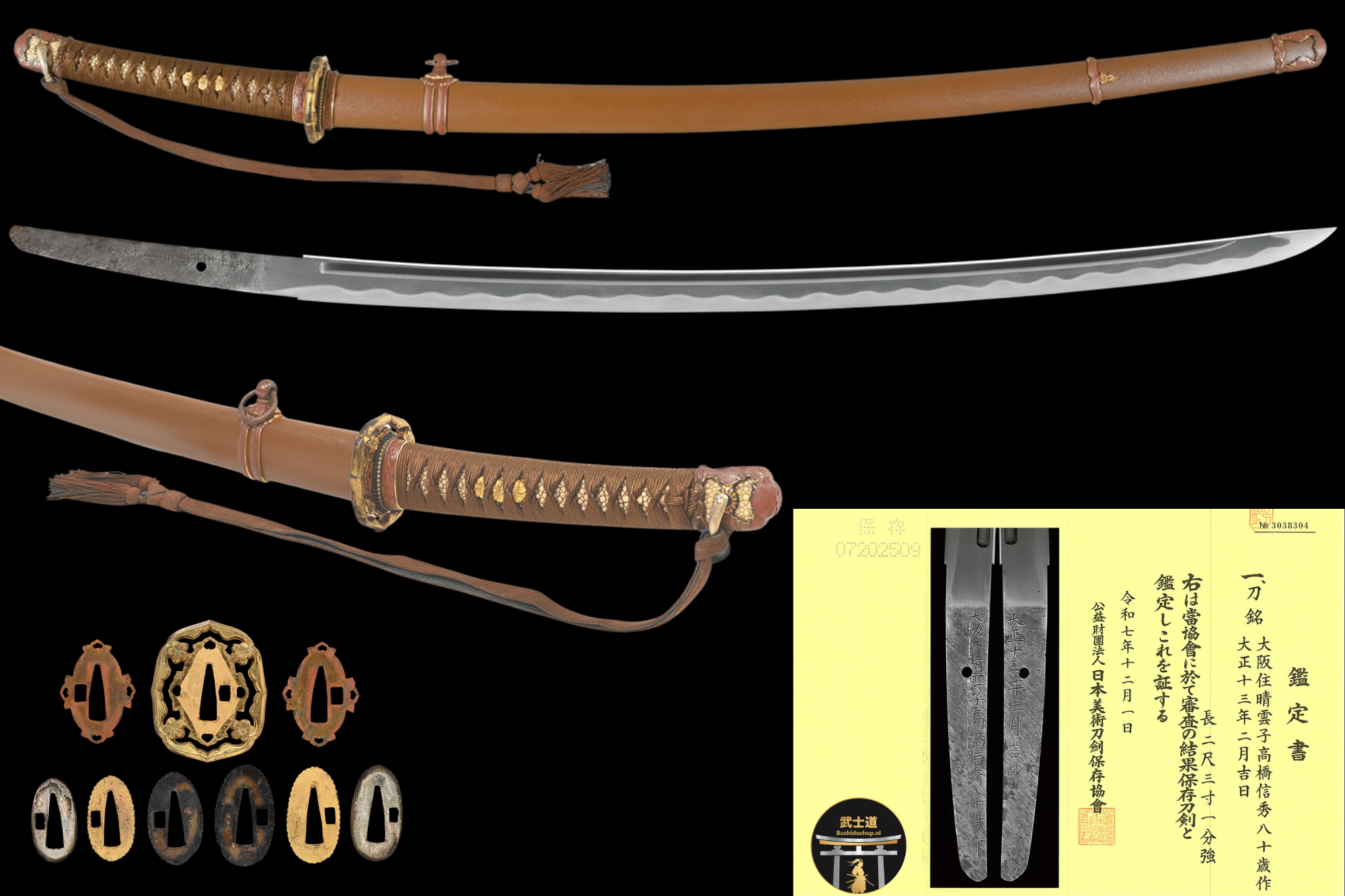
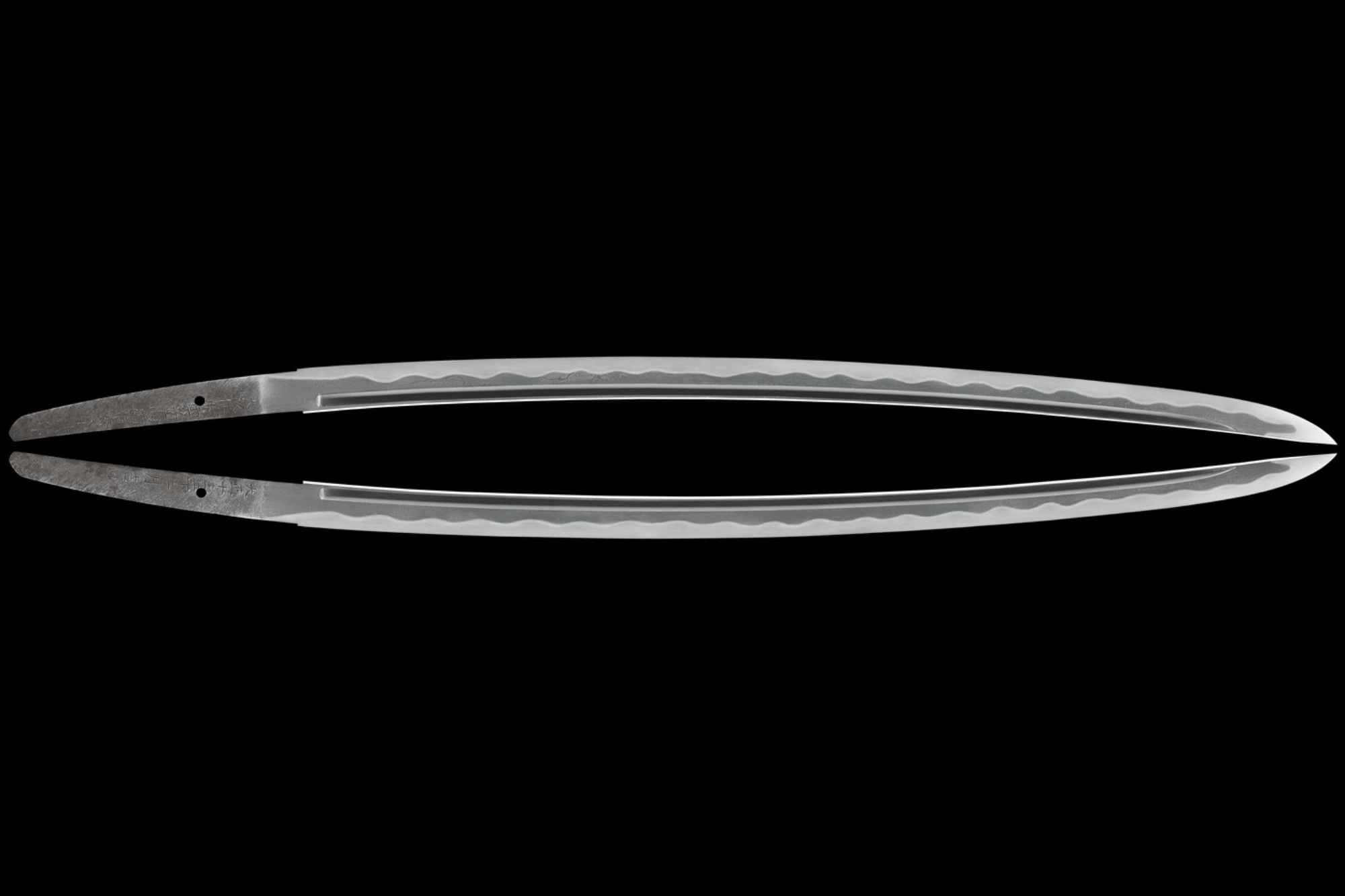
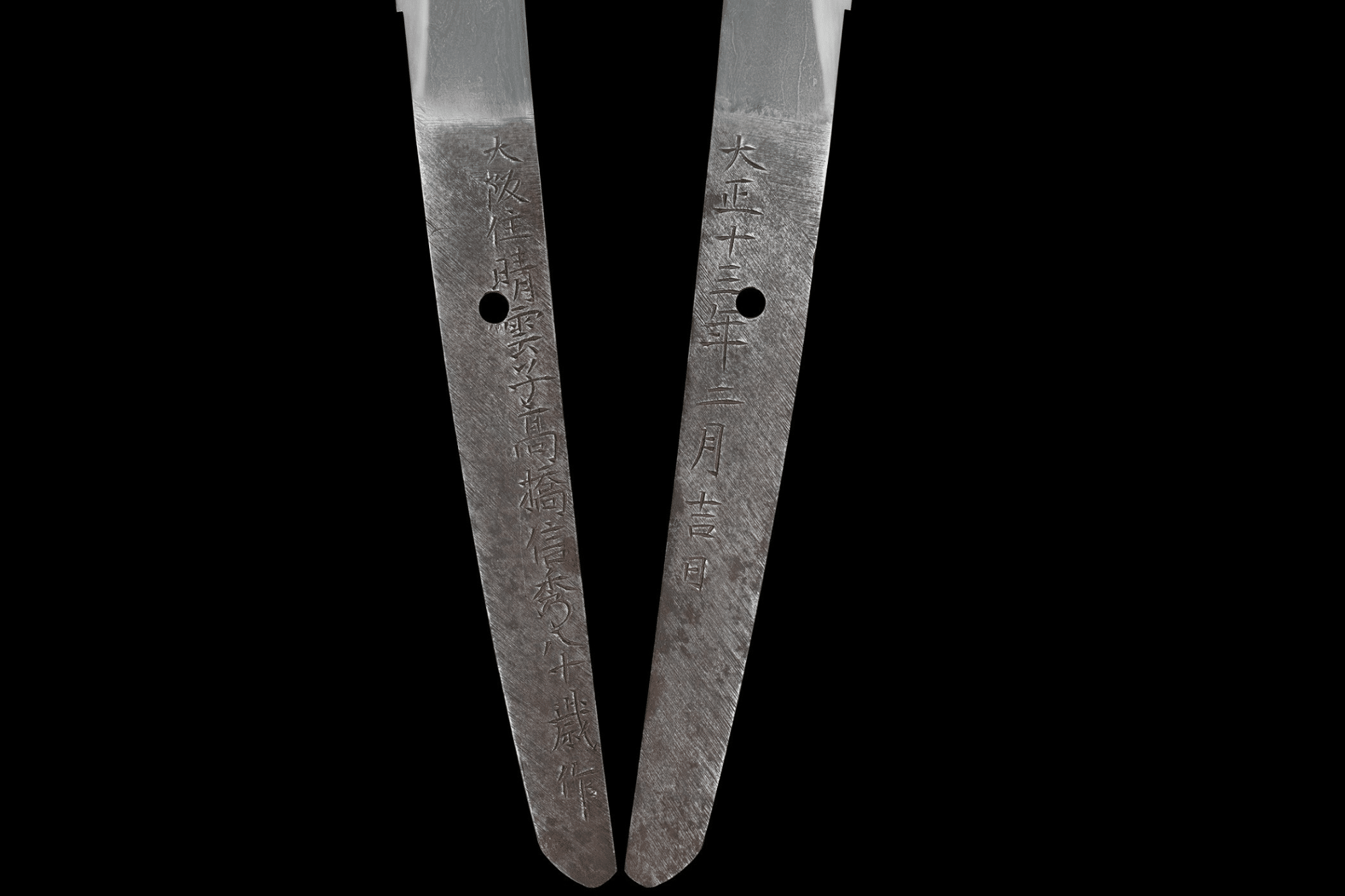
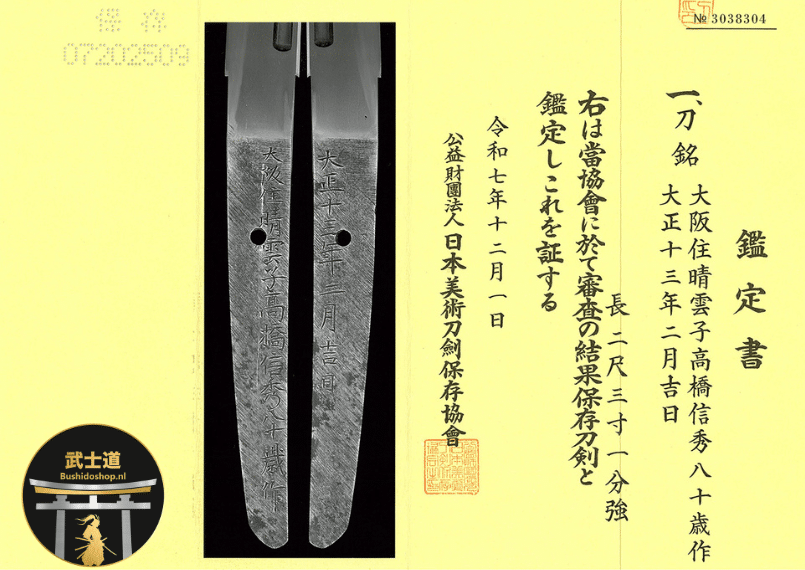
This distinguished katana was forged on an auspicious day in February 1924 (Taishō 13) by Takahashi Nobuhide (高橋信秀), one of the most accomplished senior swordsmiths of the Osaka Gassan tradition and a key figure in the revival of traditional Japanese swordmaking during the late Meiji to Taishō period.
Born in 1845 in Iyo Province (Ehime) under the name Ochi Shōzaemon, Nobuhide demonstrated exceptional talent from an early age. He was sent to Edo to study under Takahashi Naganobu, later marrying into the family and becoming his adopted successor. In the early Keiō era he relocated to Osaka, where he entered the circle of Gassan Teiichi, absorbing the refined forging techniques and aesthetic principles of the Gassan school. During his career he also signed works under the art name Seigunshi.
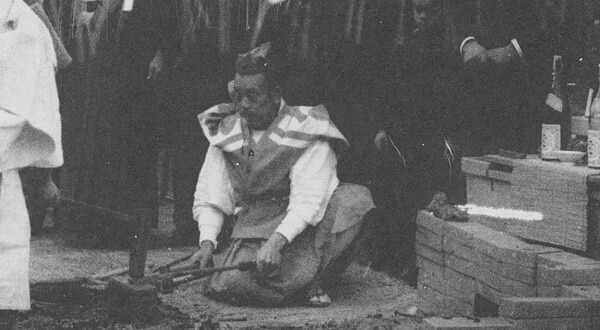
After the Meiji government’s sword bans temporarily halted production, Nobuhide resumed forging in the late Meiji period and continued actively into the Taishō era. His skill and reputation were such that in 1928 he was officially commissioned to forge a sword in connection with the enthronement ceremonies of the Shōwa Emperor, an honor reserved for swordsmiths of the highest standing.
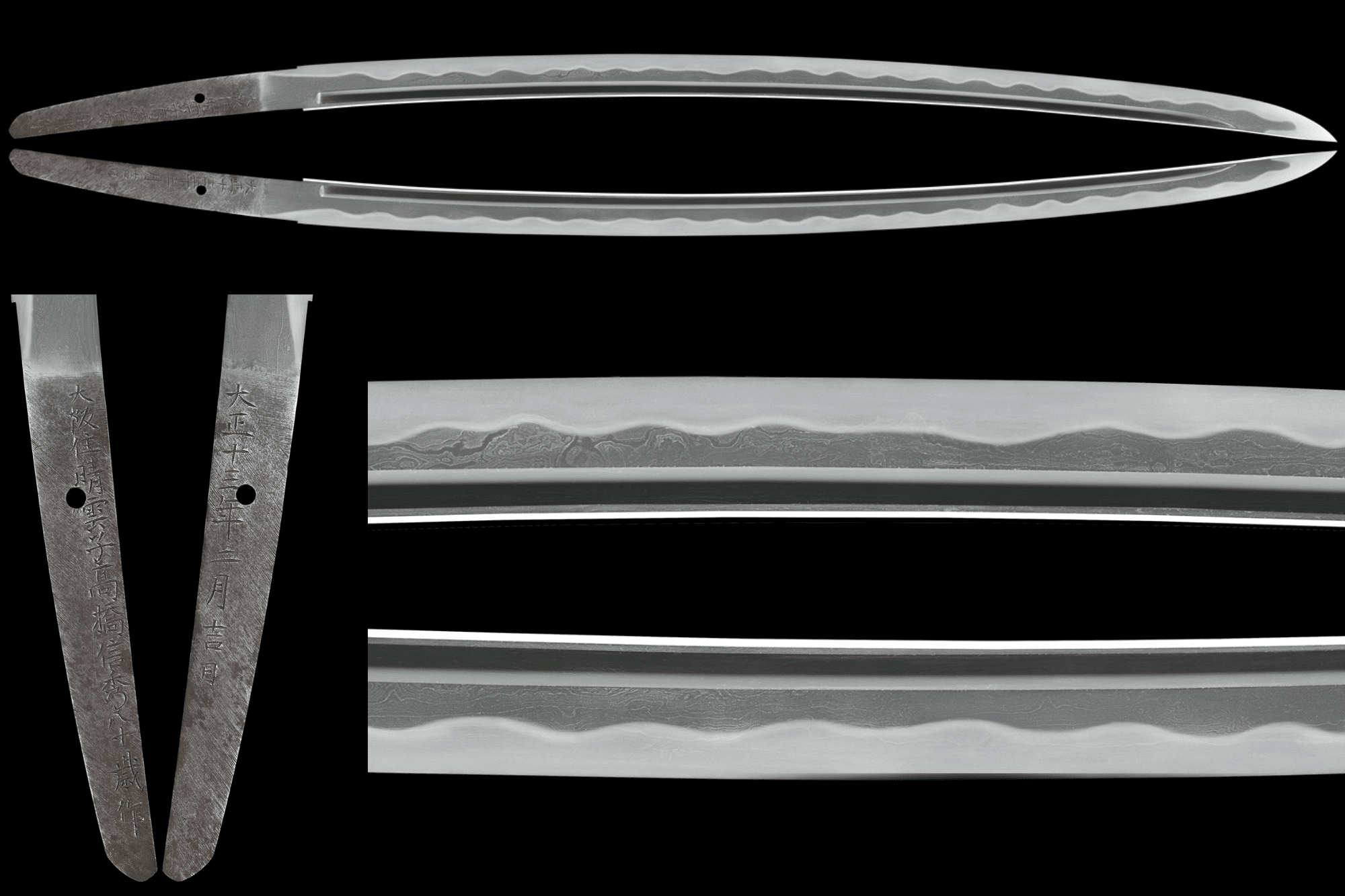
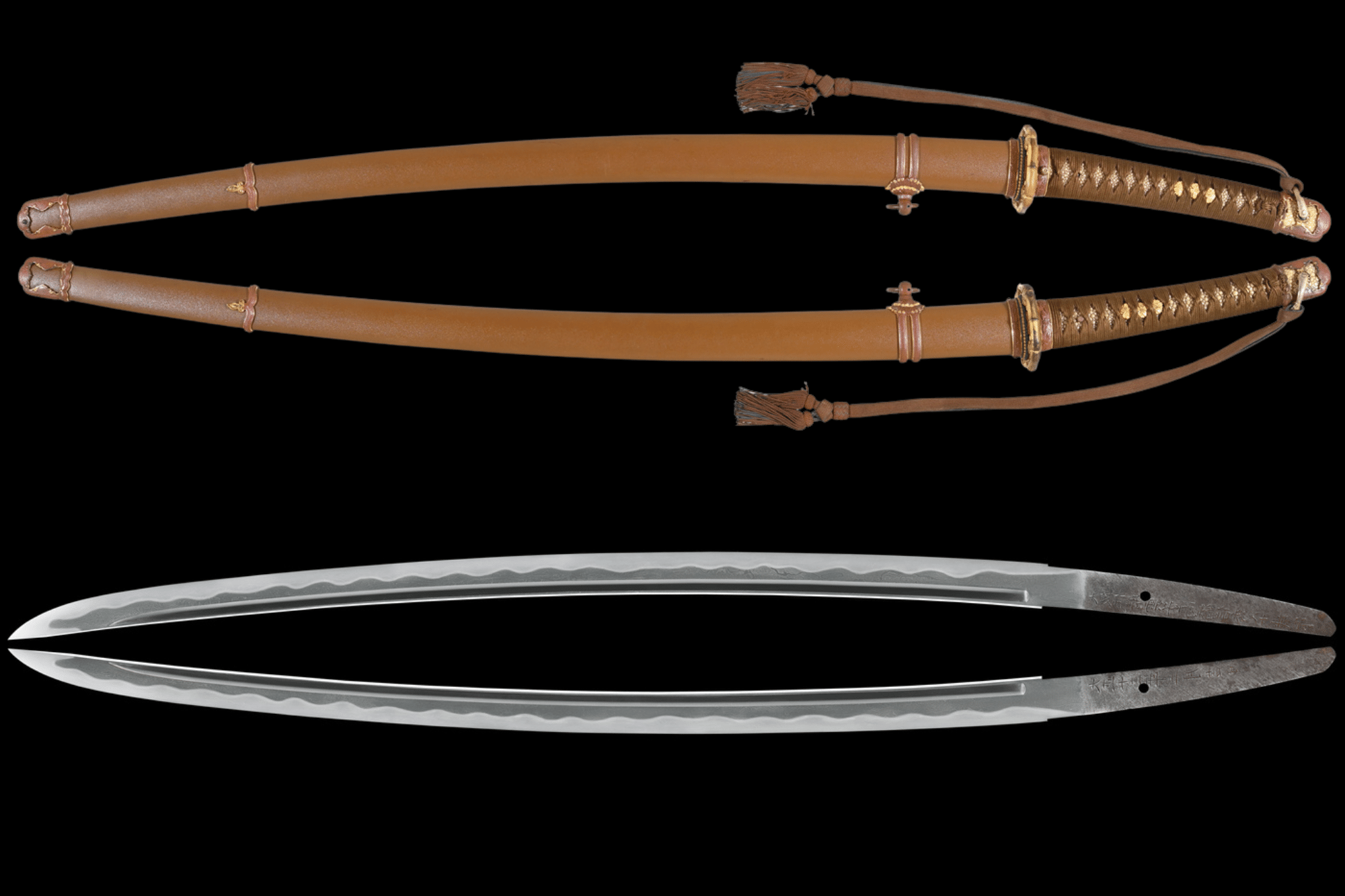
This katana was forged when Nobuhide was approximately eighty years old, a remarkable testament to a lifetime of mastery. The blade presents a dignified and powerful sugata, reflecting the mature confidence of a senior master rather than youthful excess. It exemplifies the restrained elegance and technical discipline characteristic of high-quality late Gassan-influenced work.
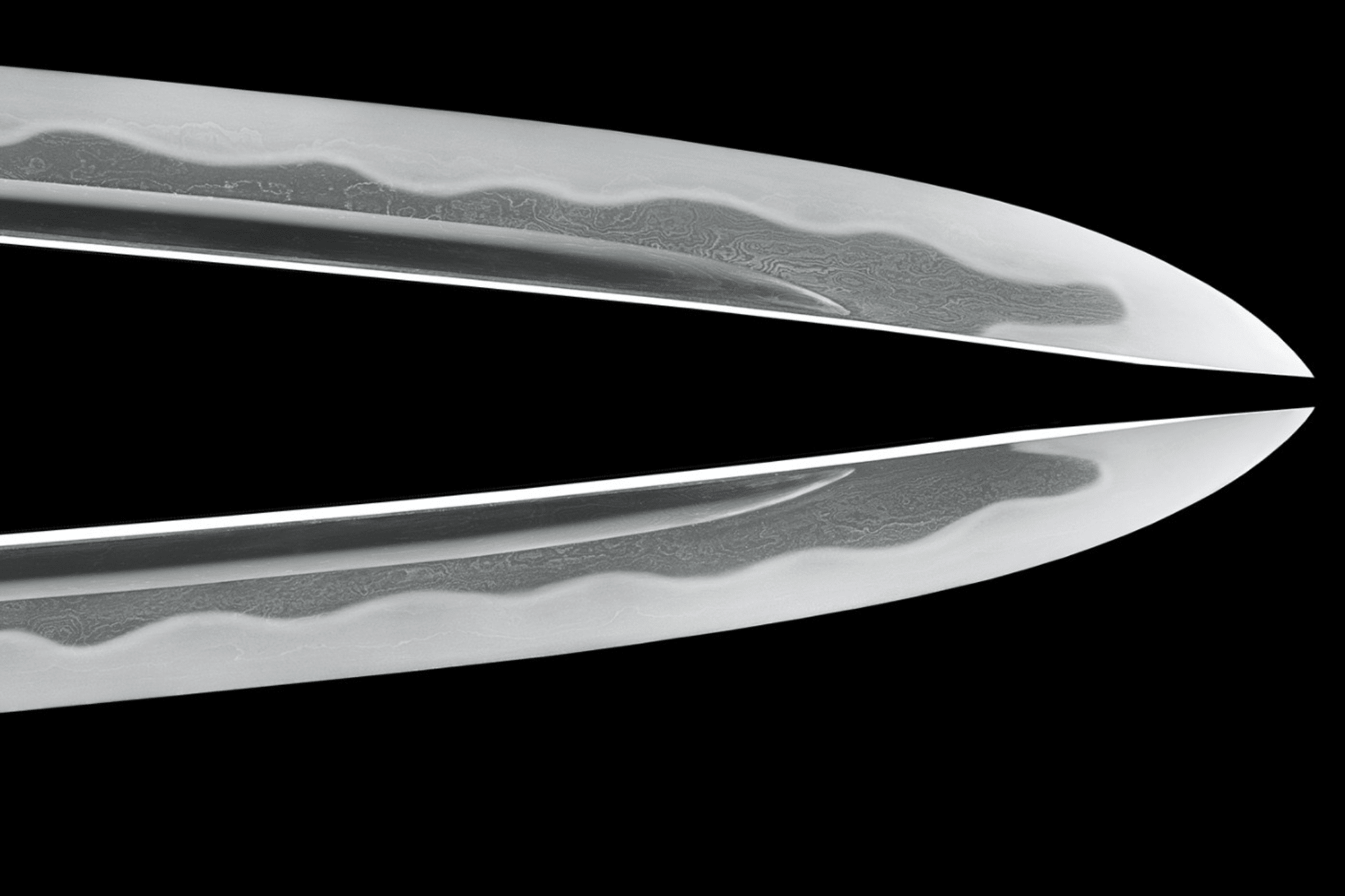
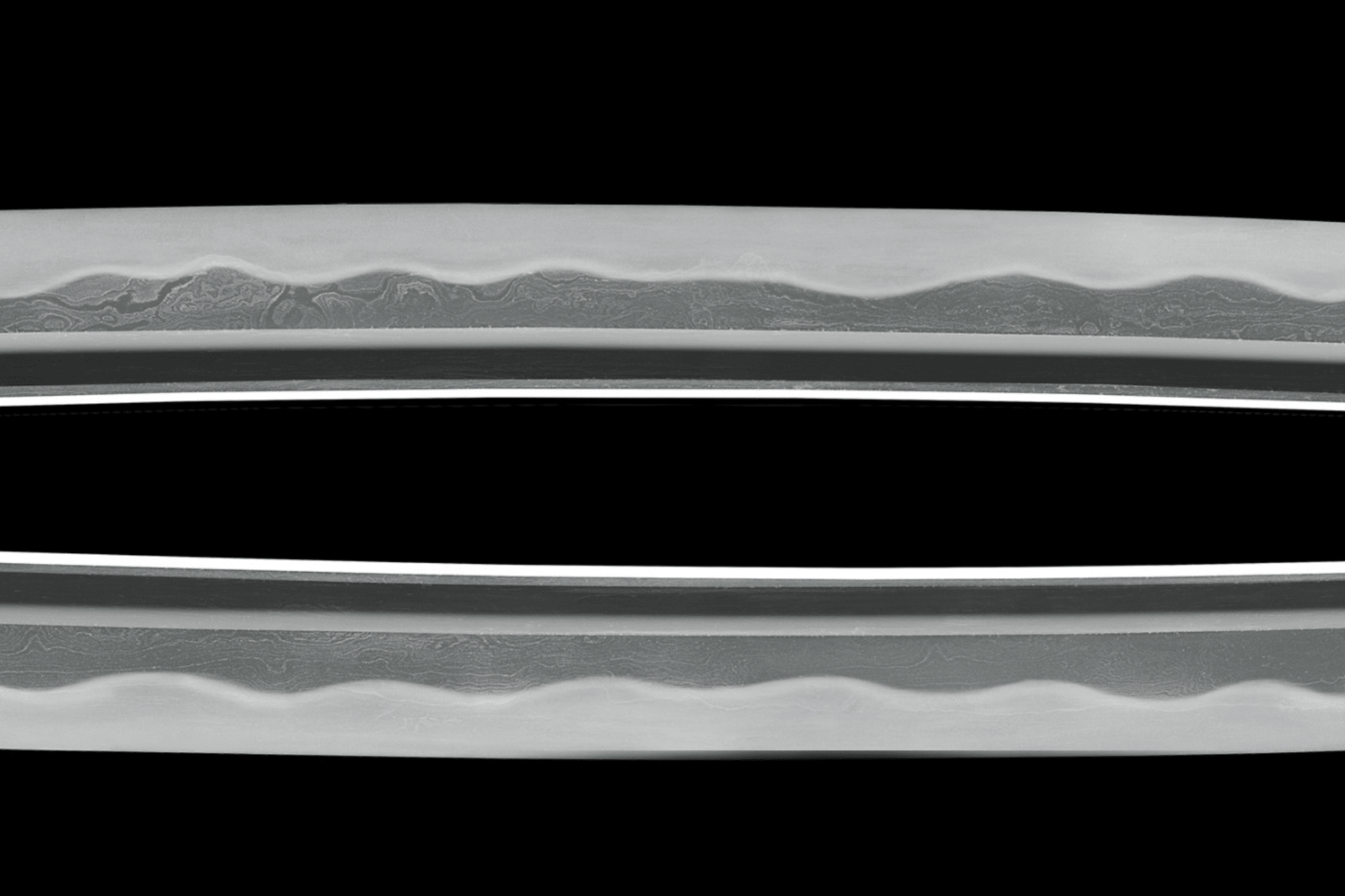
The sword is preserved in perfect Japanese polish and is in excellent condition, allowing the workmanship to be appreciated clearly. It is accompanied by NBTHK Hozon papers, confirming it as a traditionally made Japanese sword of recognized historical and artistic value.
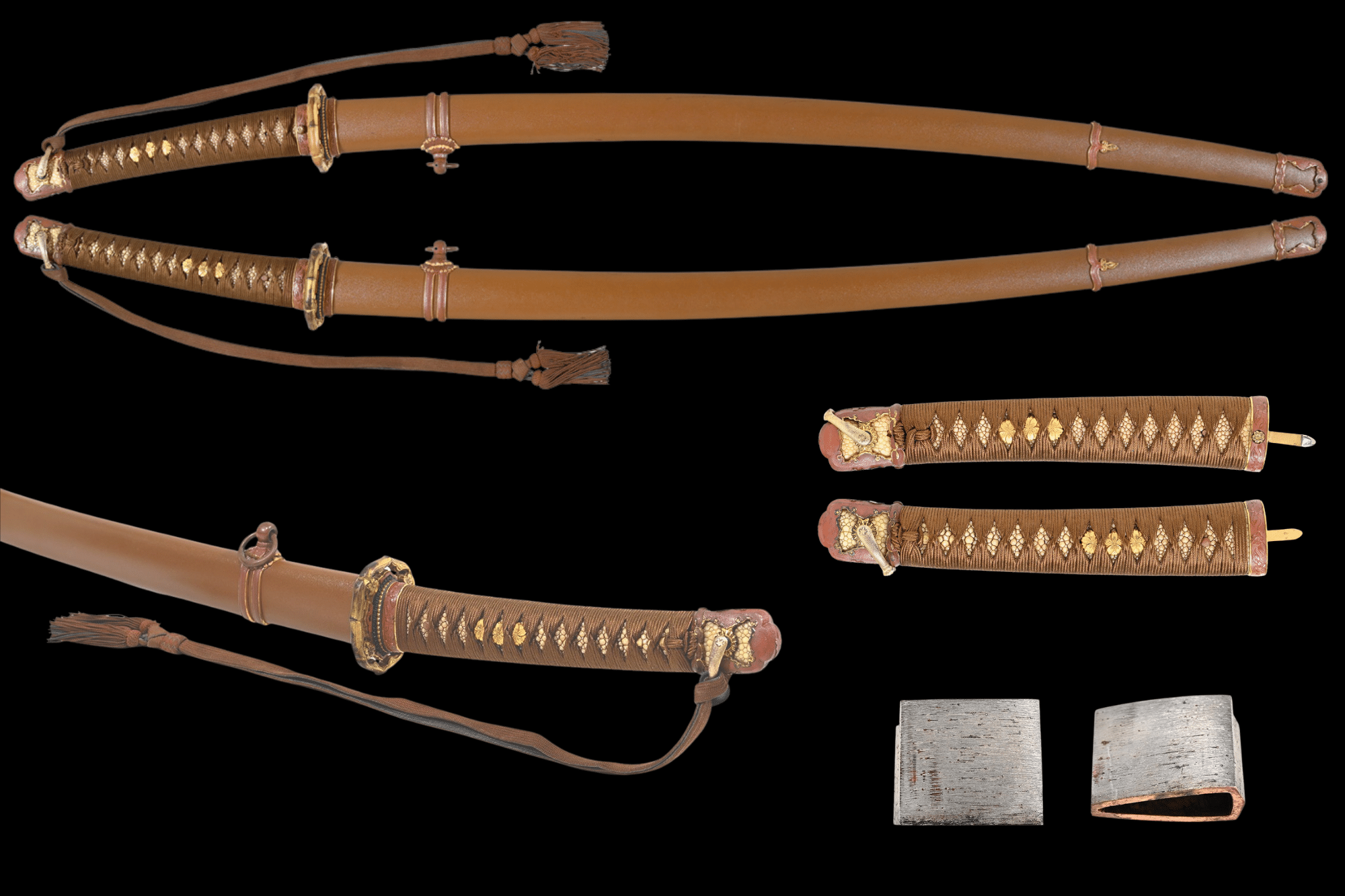
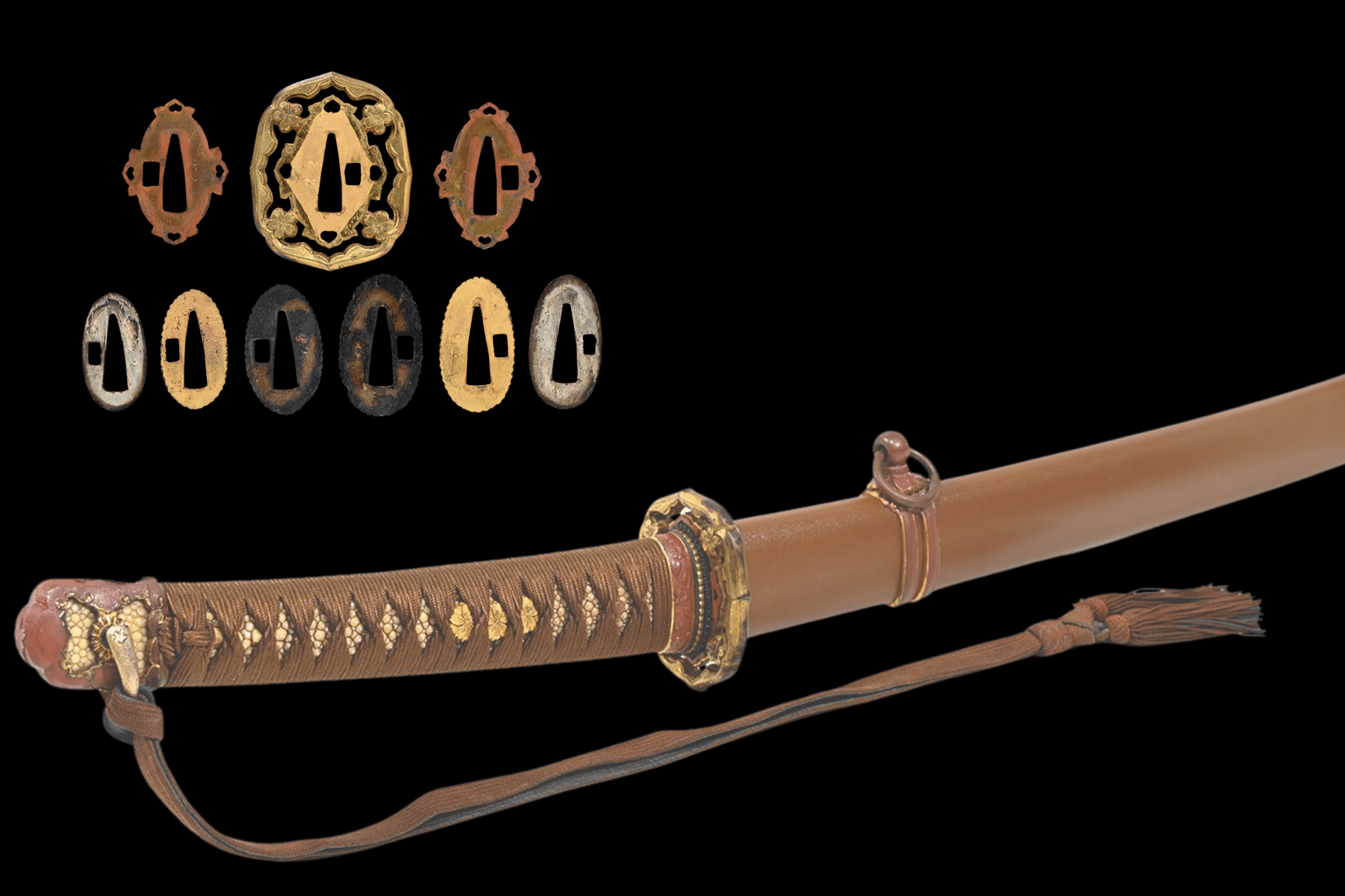
The blade is mounted in a private order Type 98 guntō koshirae, combining the formal outline of early Shōwa military mounts with traditionally made fittings. The brown lacquered saya is equipped with suspension mounts for belt wear, while the tsuka is finished in tightly wrapped brown silk ito over samegawa panels, adorned with gilt floral menuki and copper-alloy fuchi kashira.
The pierced decorative tsuba and the use of individually hand-fitted mixed-metal seppa clearly distinguish this mounting from standard arsenal-issued examples. Such custom configurations were commonly chosen for high-quality, traditionally forged blades from earlier periods, offering a dignified and historically coherent presentation that complements the Taishō period craftsmanship of the sword.
The Gassan school is one of Japan’s most revered swordmaking lineages, distinguished by its scholarly approach, technical discipline, and deep respect for classical traditions. Revived with authority in the modern era, the Osaka Gassan circle, led by Gassan Teiichi, played a pivotal role in preserving traditional swordmaking during the late Meiji and Taishō periods.
As a member of this circle, Takahashi Nobuhide worked within the Gassan aesthetic of balance and restraint, emphasizing refined forging, controlled workmanship, and dignified presence over excess. This 1924 katana reflects that philosophy clearly, representing the mature continuation of the Gassan tradition into the early 20th century.
Blade length 70.1 cm.
Curvature (sori) 2.0 cm.
Motohaba (width at hamachi) 3.15 cm.
Kasane thickness at base 7.0 mm.
Period: Taishō period, 1924.
Province: Settsu Osaka.
Certification NBTHK Hozon Tōken.
Works by Takahashi Nobuhide are highly regarded among collectors of modern Japanese swords, particularly those connected to the Osaka Gassan lineage. Late career blades, especially those explicitly signed with the smith’s advanced age, are scarce and valued for their historical context, maturity of technique, and formal presence. This katana represents an outstanding example of Japan’s early 20th-century sword revival and is well suited for an advanced private collection or institutional display.