€ 7.850,00

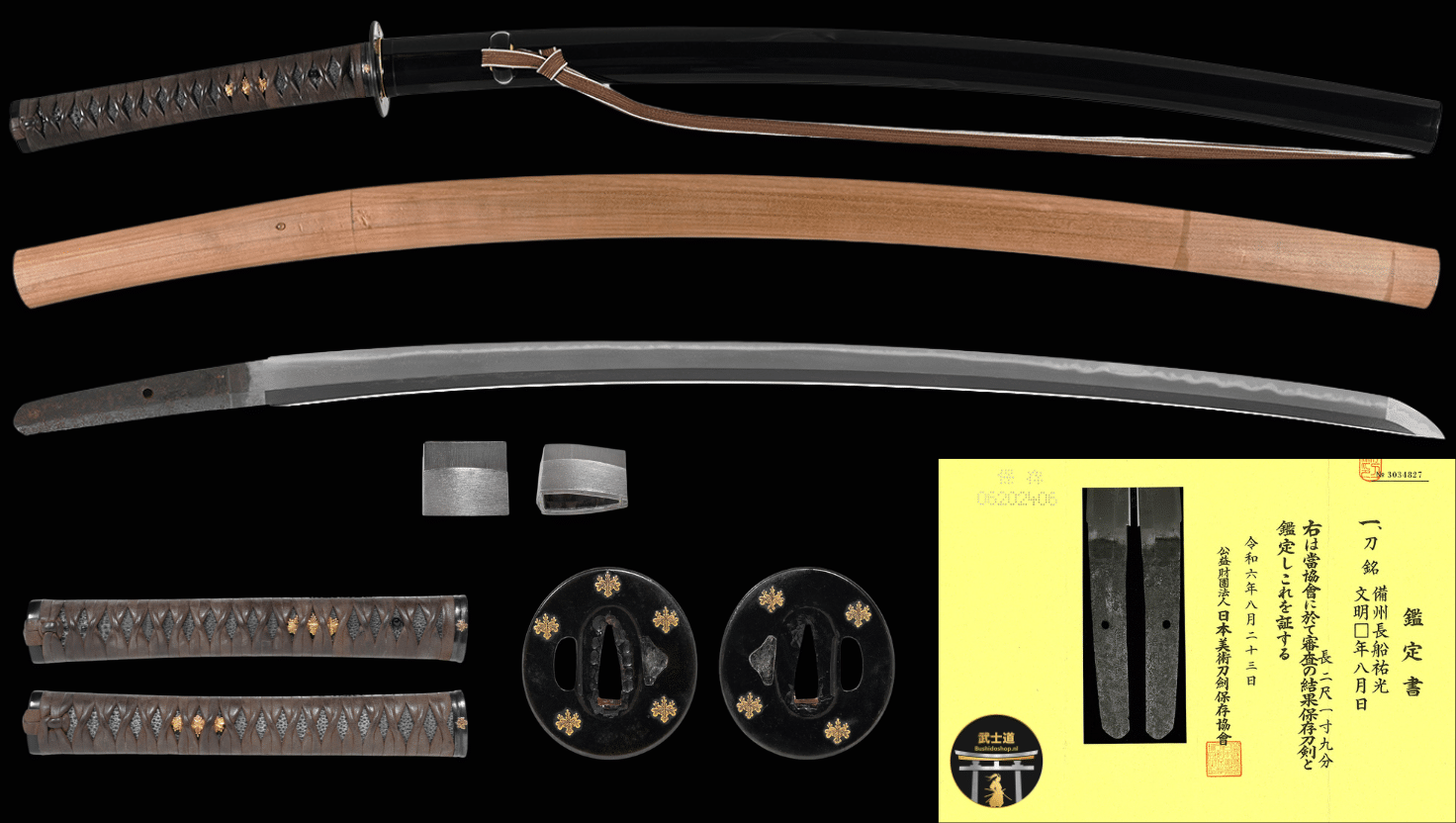
A refined Koto katana from the renowned Bizen Osafune tradition, forged during the Bunmei era of the Muromachi period and certified NBTHK Hozon, representing the enduring craftsmanship of the Sukemitsu lineage.
Katana
Bishū Osafune Sukemitsu
Muromachi Period Bunmei Era (1469–1487)
NBTHK Hozon Tōken
Curatorial Overview
This katana was forged by Bishū Osafune Sukemitsu, a swordsmith of the celebrated Bizen Osafune school, one of the most important centers of sword production in medieval Japan. The blade dates to the Bunmei era of the Muromachi period (1469–1487) and reflects the continued development of the classical Bizen tradition established during the Kamakura period.
The Sukemitsu lineage forms part of the group often referred to as Eikyō-Bizen, a transitional generation of swordsmiths working between the earlier Ōei-Bizen masters and the later Sue-Bizen school. These smiths preserved the elegant and functional characteristics of earlier Bizen blades while gradually introducing stylistic developments that would define later Muromachi production.
The Blade
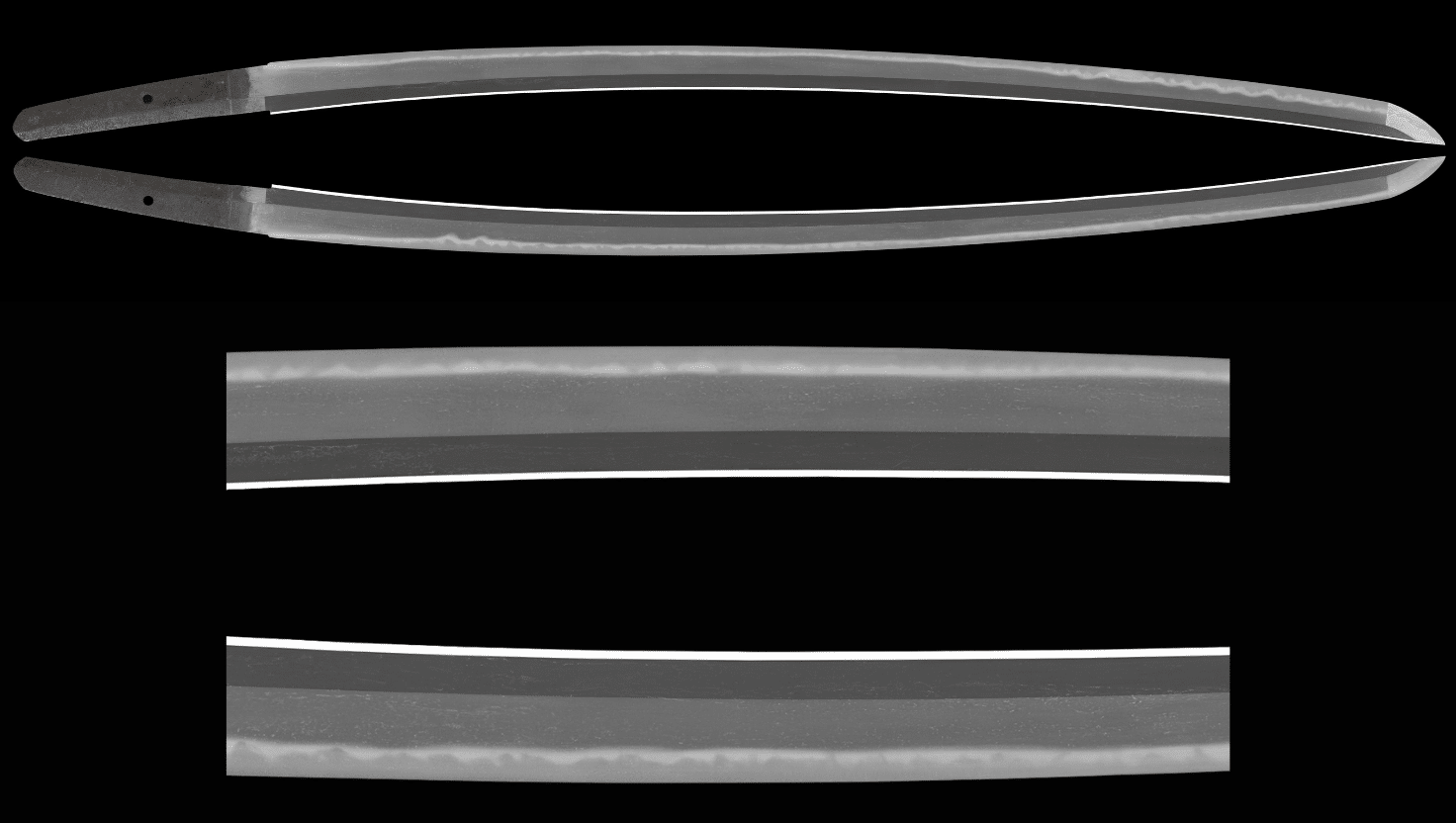
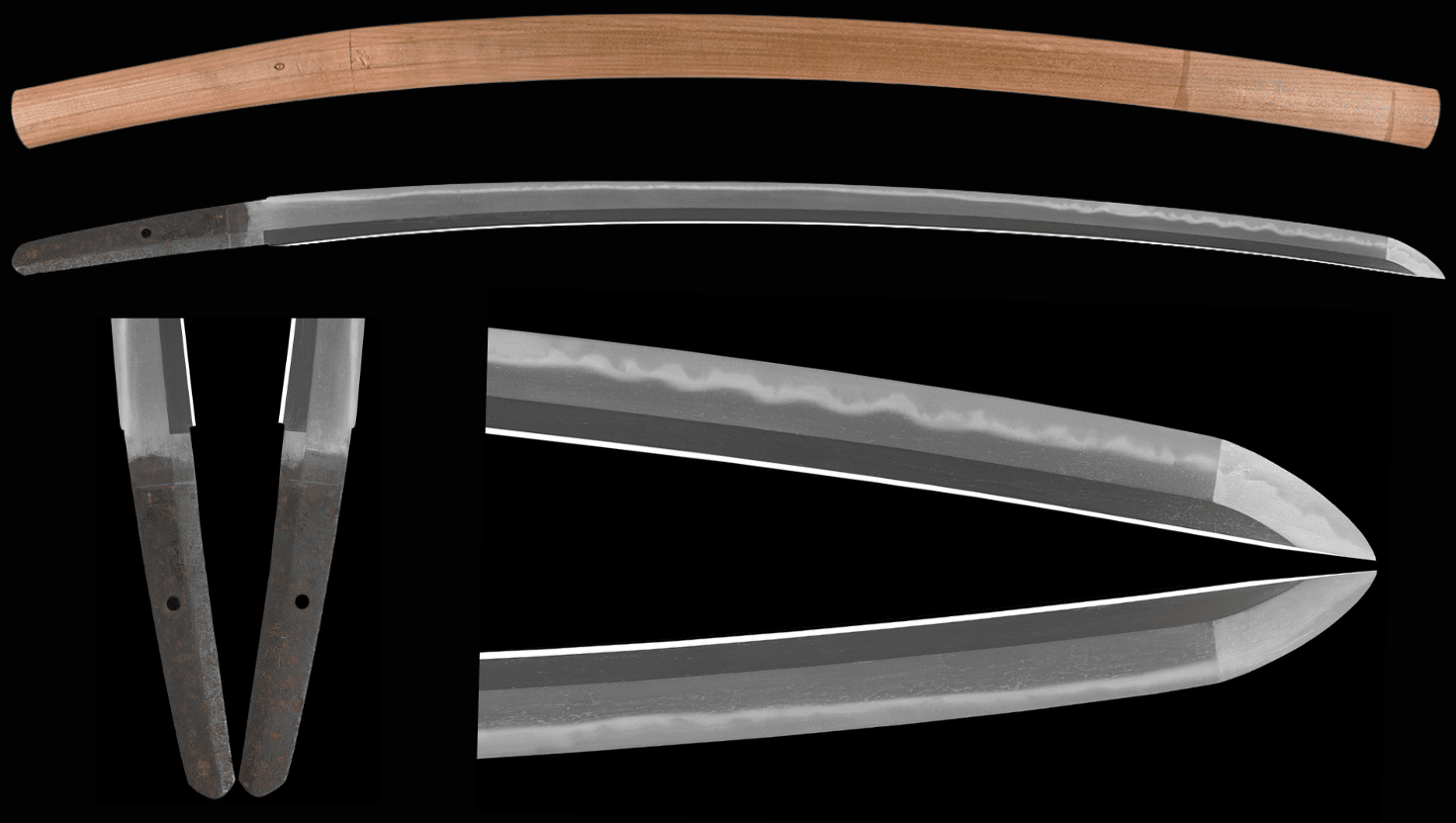
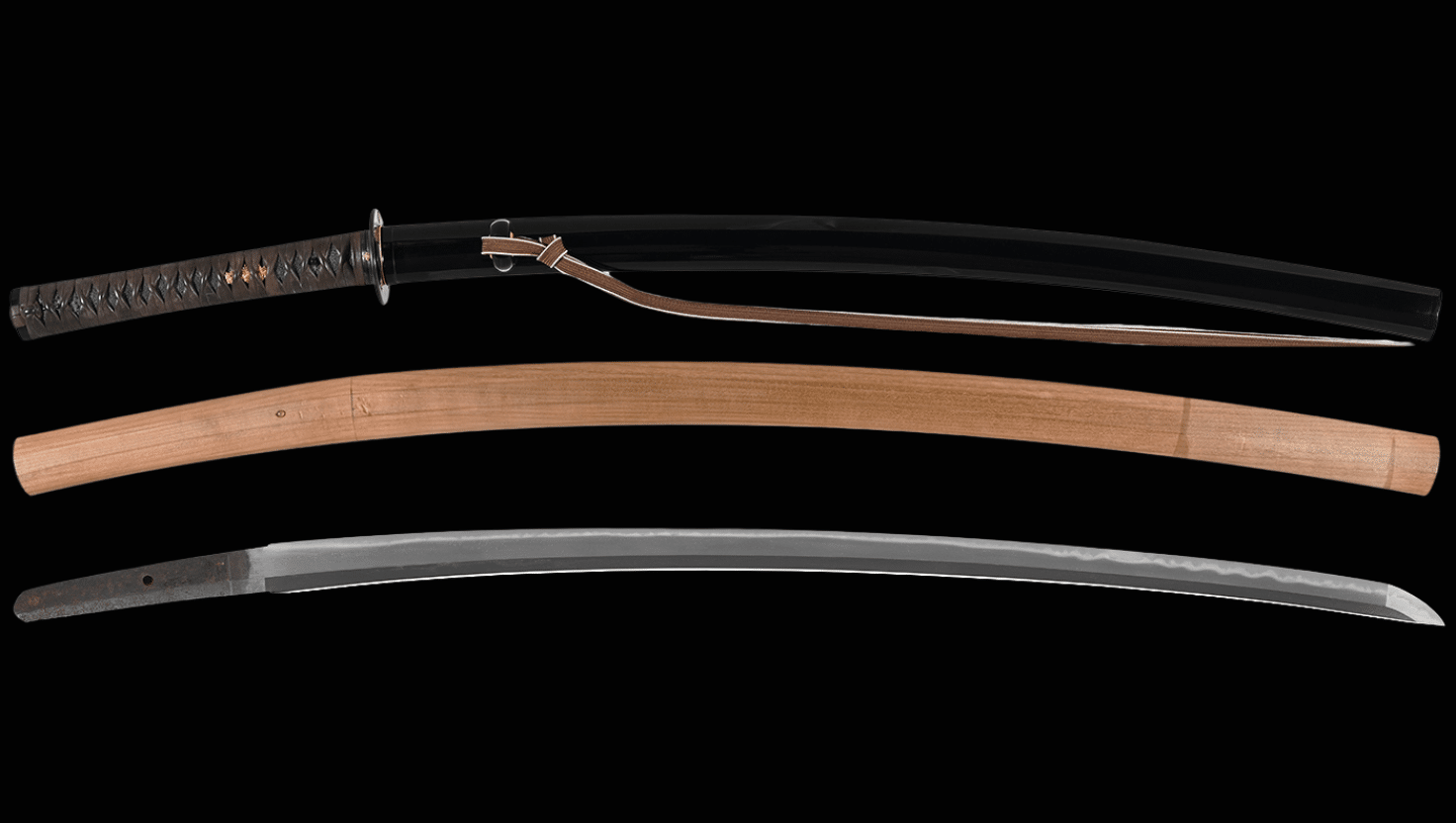
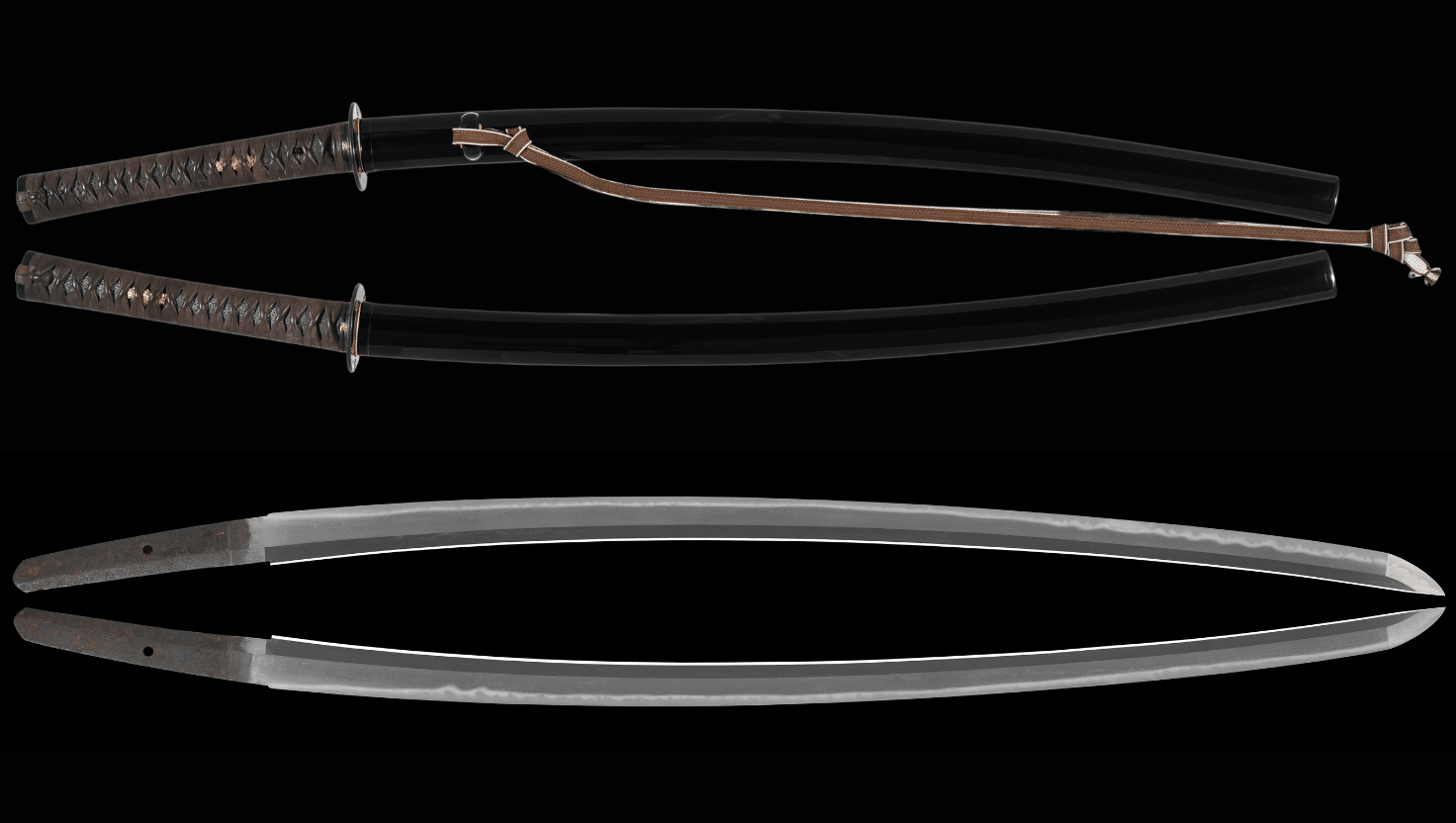
The blade displays a balanced and elegant sugata typical of late Koto period katana. The curvature and proportions give the sword a refined yet practical appearance consistent with blades produced during the Muromachi period.
The hamon presents a lively midare pattern with elements reminiscent of the choji tradition associated with Bizen workmanship. Subtle activity within the hardened edge creates visual depth and movement along the cutting line, giving the blade a graceful yet dynamic character.
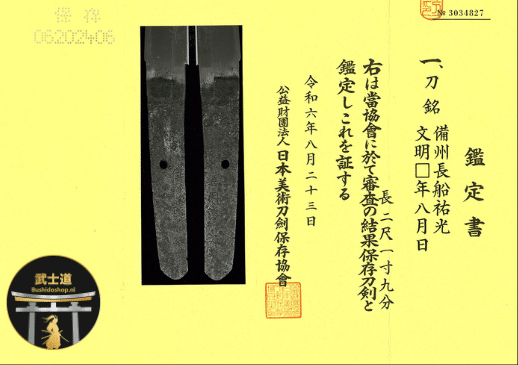
The jihada reflects the refined forged steel associated with the Osafune tradition and contributes to the harmonious overall appearance of the sword. The nakago retains its original form and deep natural patina and bears the signature of Sukemitsu.
The sword is certified by the NBTHK (Nihon Bijutsu Token Hozon Kyokai) as Hozon Tōken, confirming the blade as an authentic and preserved example of Japanese sword craftsmanship.
Koshirae
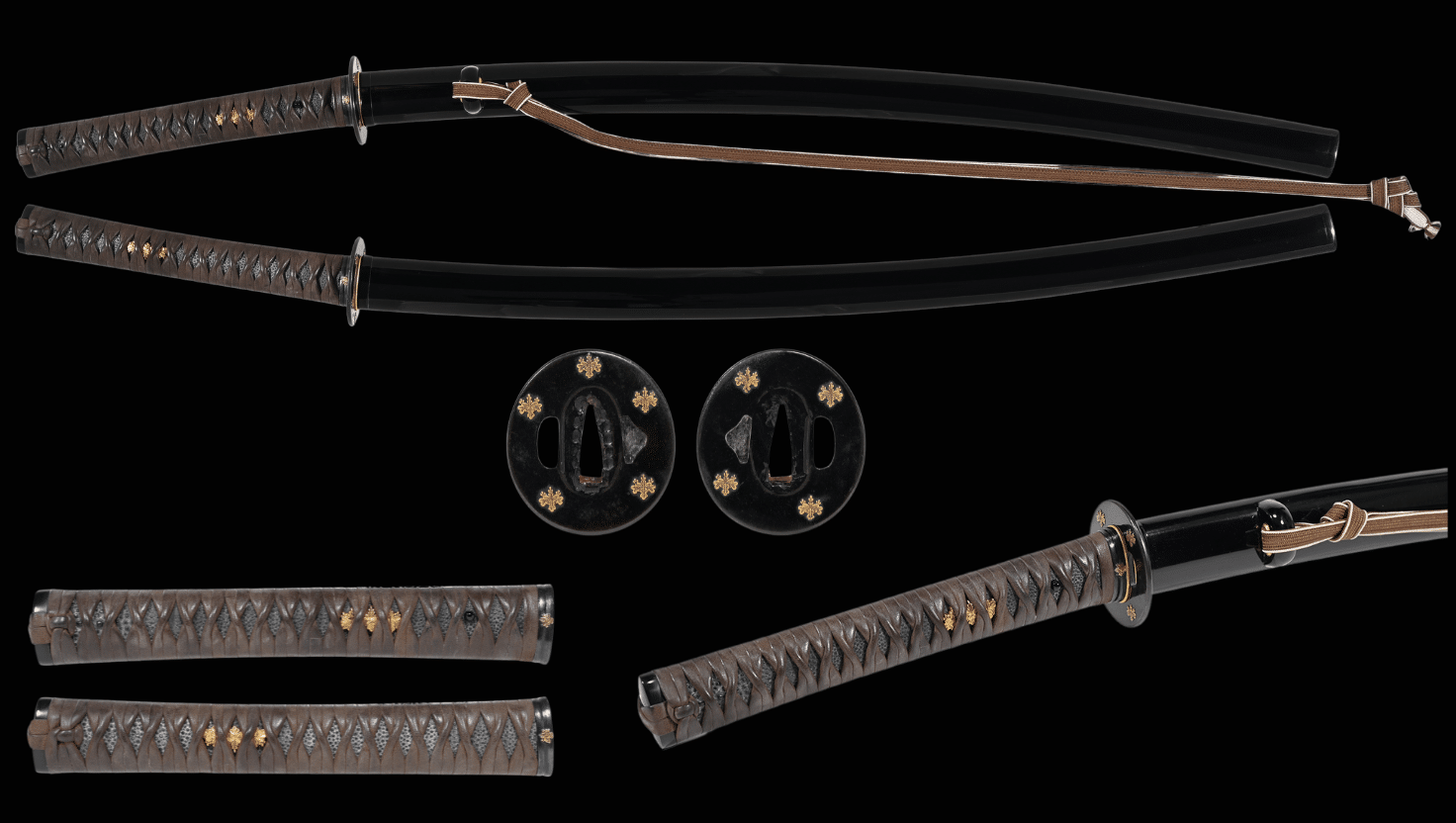
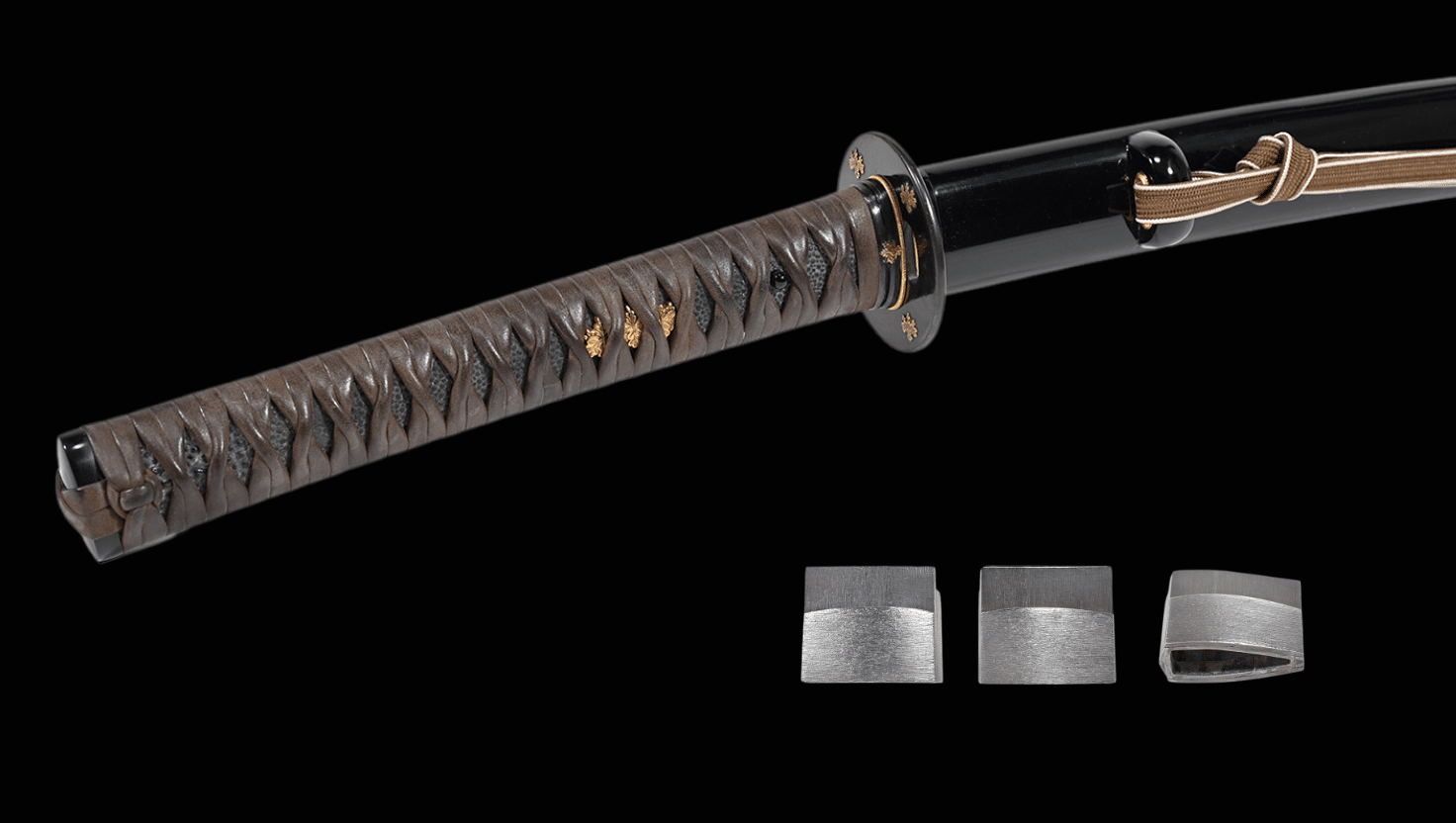
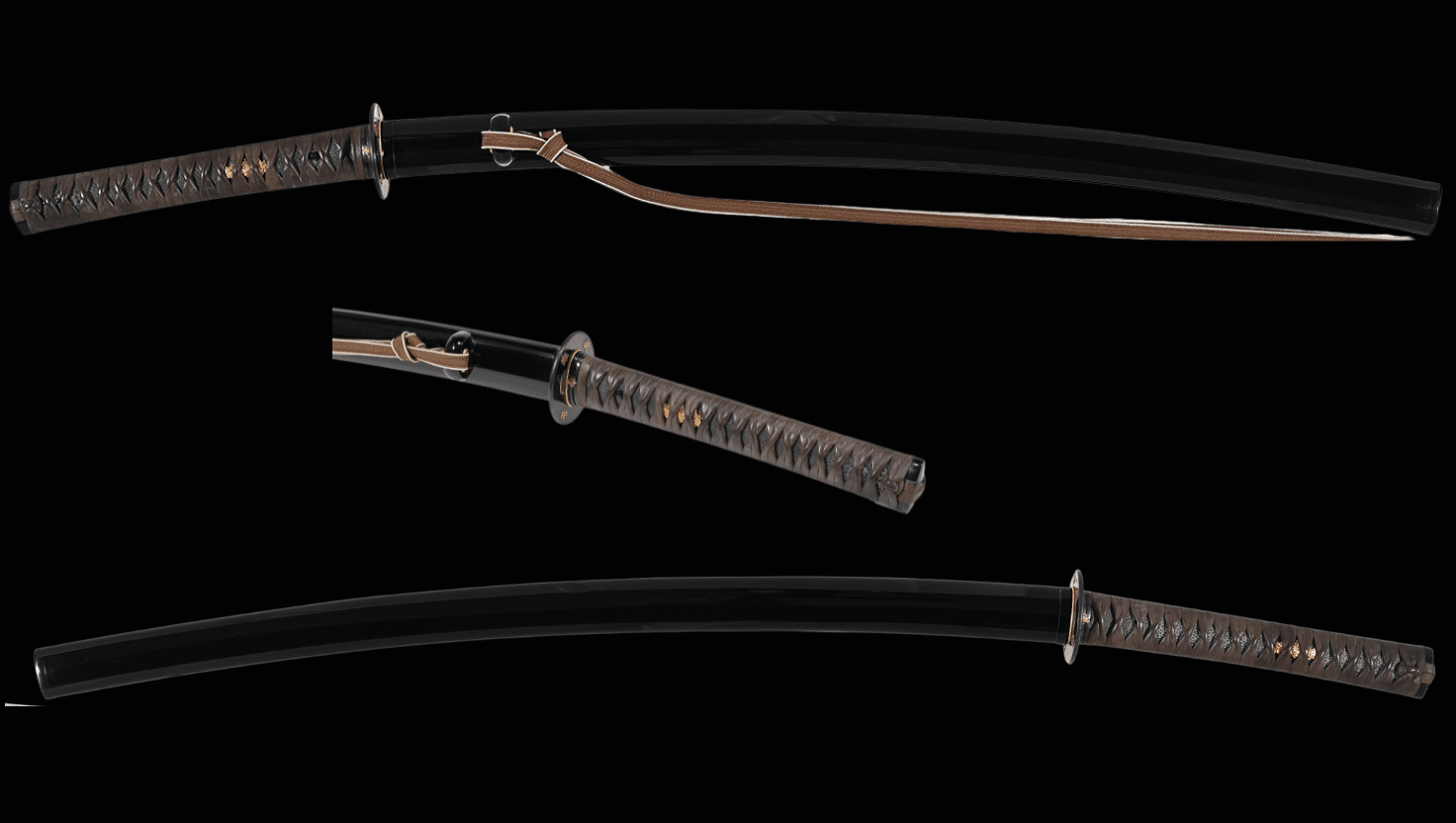
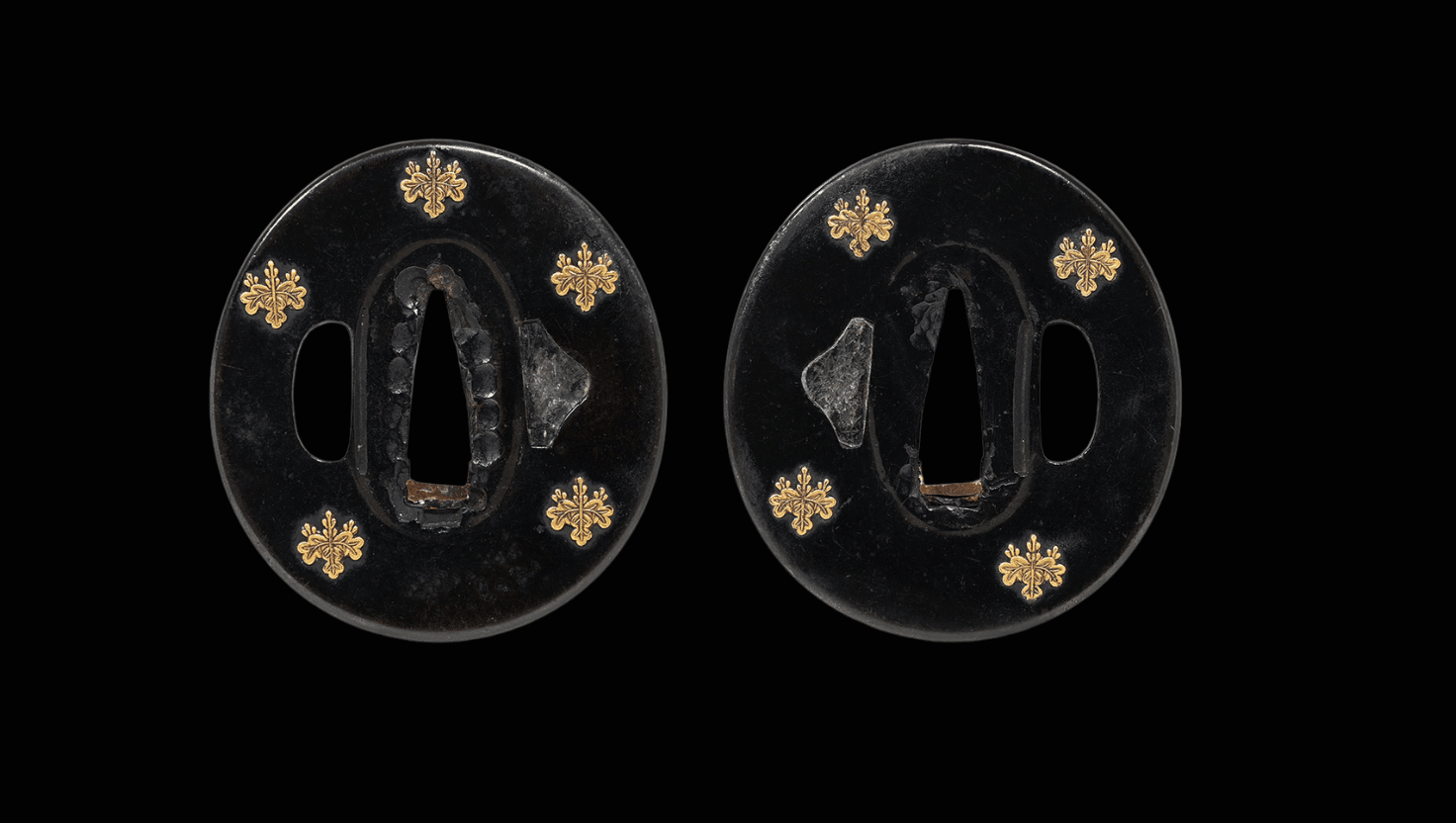
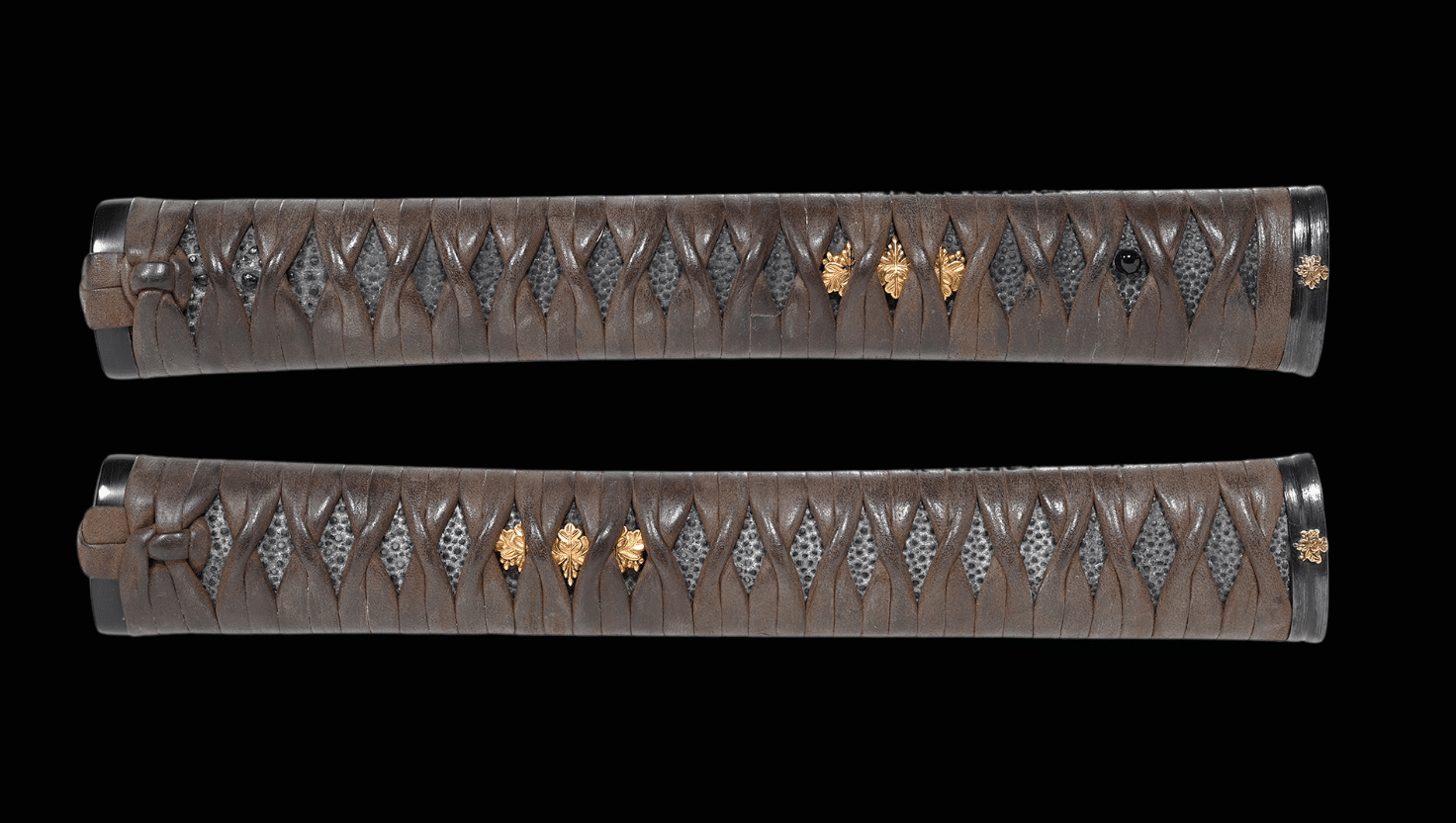
The sword is mounted in a tasteful koshirae consisting of an iron tsuba decorated with gold mon inlays, brown tsuka-ito over samegawa, and a black lacquer saya. The understated fittings complement the historical character of the blade and present the sword in an elegant traditional mounting.
The sword is accompanied by a shirasaya for preservation.
Historical Context
Bizen Province was the most prolific sword-producing region in Japan for several centuries. The Osafune lineage gained renown for producing blades prized both for their cutting ability and their aesthetic beauty.
During the Muromachi period swordsmiths such as Sukemitsu continued the traditions of earlier Kamakura masters while adapting their work to the needs of a changing era marked by regional warfare and evolving military requirements.
Blades from this period remain highly valued by collectors for their historical authenticity and their direct connection to the classical traditions of Japanese swordmaking.
Specifications
Nagasa 66.4 cm
Sori curvature 2.2 cm
Motohaba 3.0 cm
Kasane6.5 m m
Sakihaba 2.0 cm
Sakikasane 4.2 mm
Mekugi-ana 1
Era: Muromachi period Bunmei era (1469–1487)
Province: Bizen
School: Osafune tradition
Signature: Bishū Osafune Sukemitsu
Certification: NBTHK Hozon Tōken
Bushido Japanese Art & Antiques
An authentic Koto period katana representing the enduring legacy of the Bizen Osafune tradition.