
Japanese Samurai Katana Chikugo Sumi Suketoshi
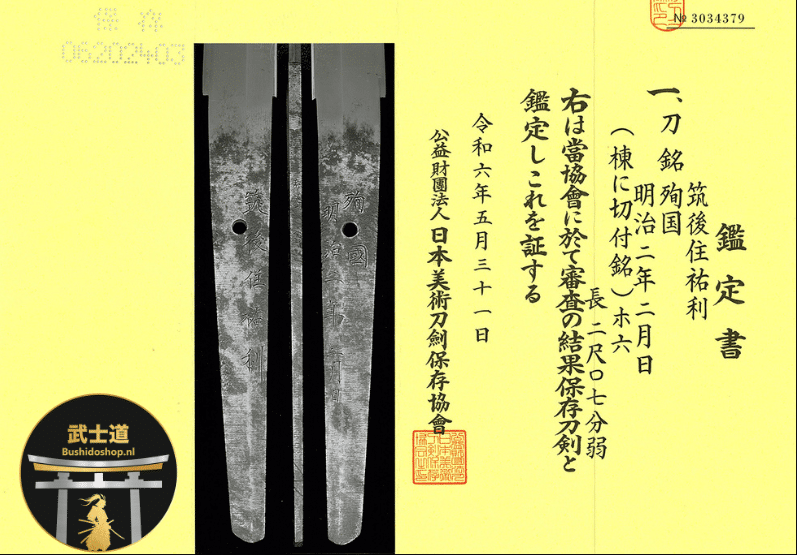
NBTHK Hozon Tōken
Late Muromachi Early Edo Period, circa 1596
Chikugo Province
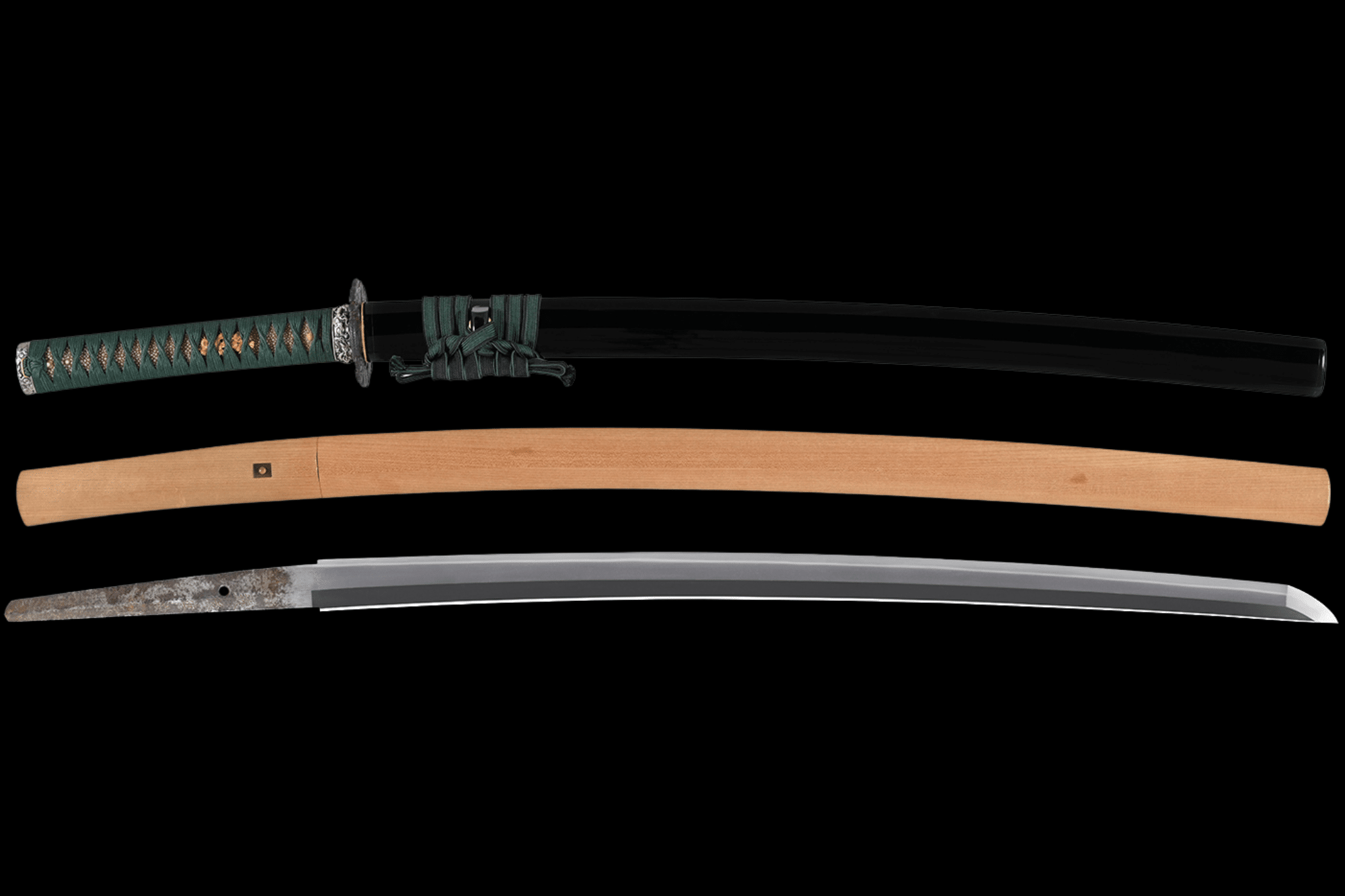
This powerful katana was forged by Chikugo Sumi Suketoshi, a swordsmith active in Chikugo Province during the turbulent transition between the late Muromachi and early Edo periods. Blades from this era stand among the most historically significant in Japanese sword history, having been produced at the very end of the Sengoku age, when swords were still essential weapons carried by professional warriors on the battlefield.
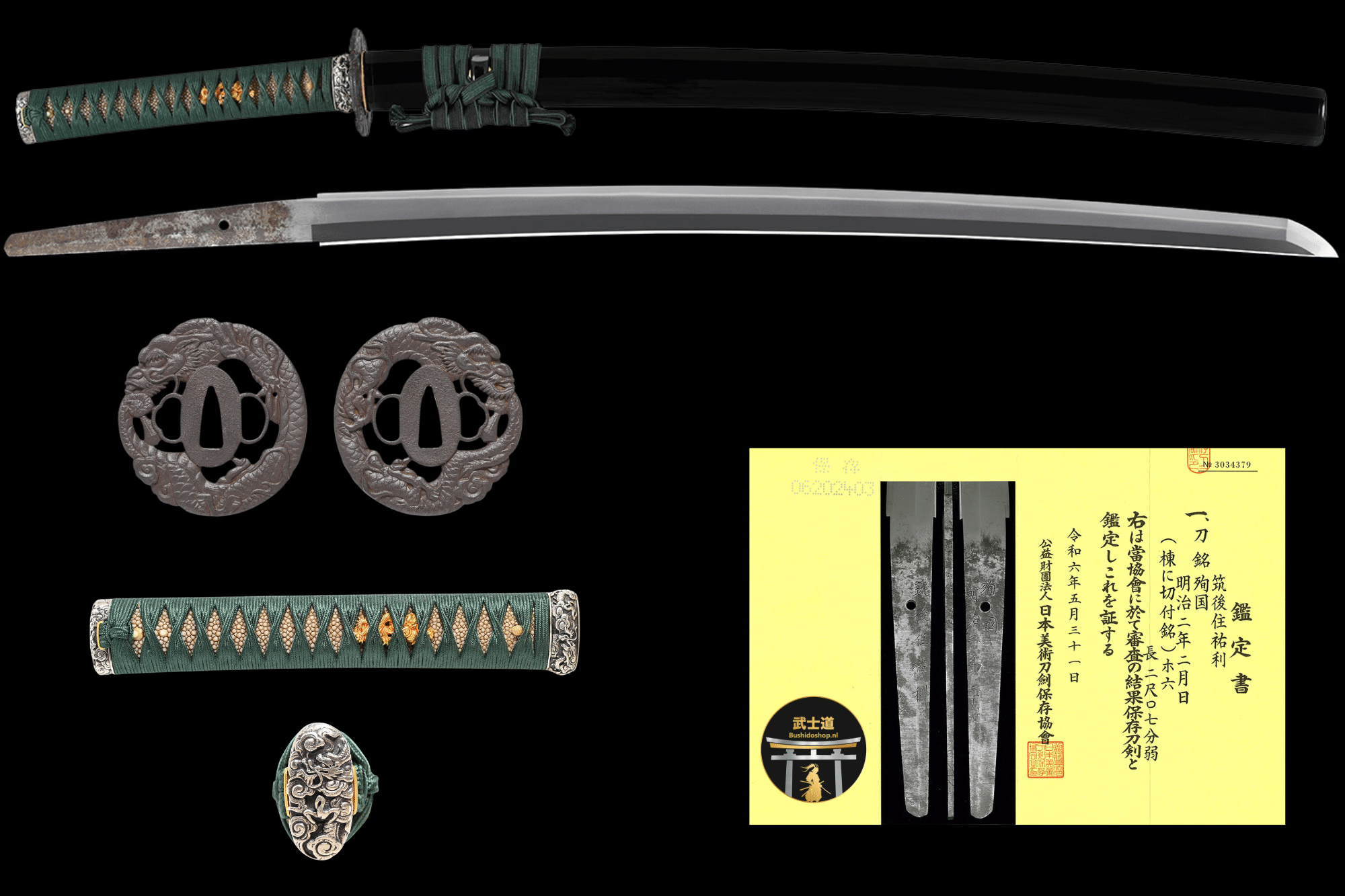
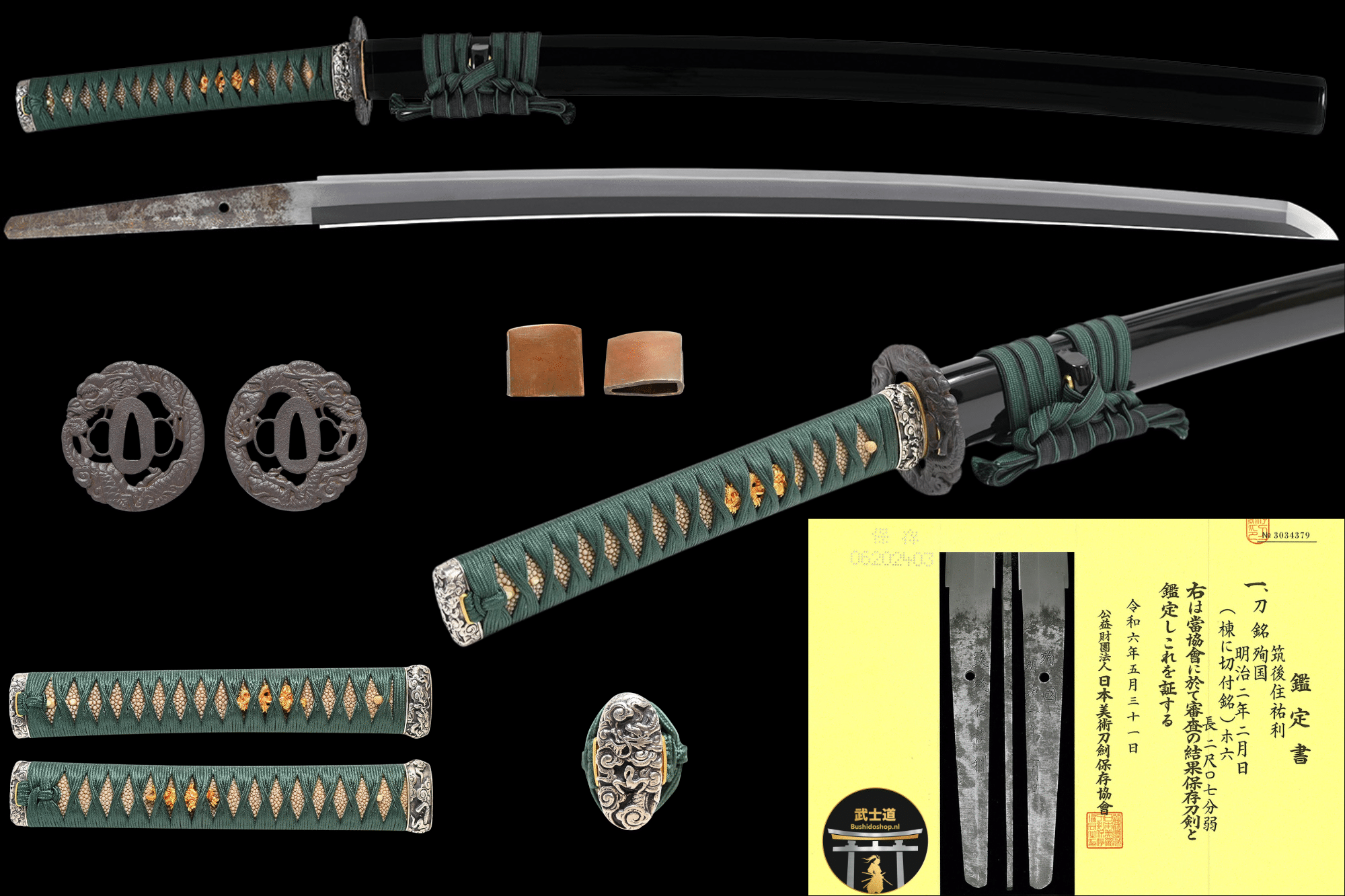
The sword is officially recognized with NBTHK Hozon Tōken certification, confirming its authenticity and its importance as a preserved example of Japanese sword craftsmanship from the closing years of the great age of samurai warfare.
Suketoshi is recorded as a disciple of Yokoyama Kagasuke Sukehisa, working in the Chikugo region, historically connected to the Kurume domain of northern Kyushu. Swordsmiths of this tradition were expected to produce blades capable of withstanding the realities of combat. Their work reflects the disciplined practicality of warriors who valued reliability, cutting efficiency and structural durability above decorative flourish.
The period around 1596 marked a pivotal moment in Japanese history. The long centuries of civil war were nearing their end as the power of the Tokugawa shogunate began to consolidate control over the country. Swords forged during this time still carried the direct influence of the Sengoku battlefield, where blades were judged not by appearance alone but by their performance in real combat.
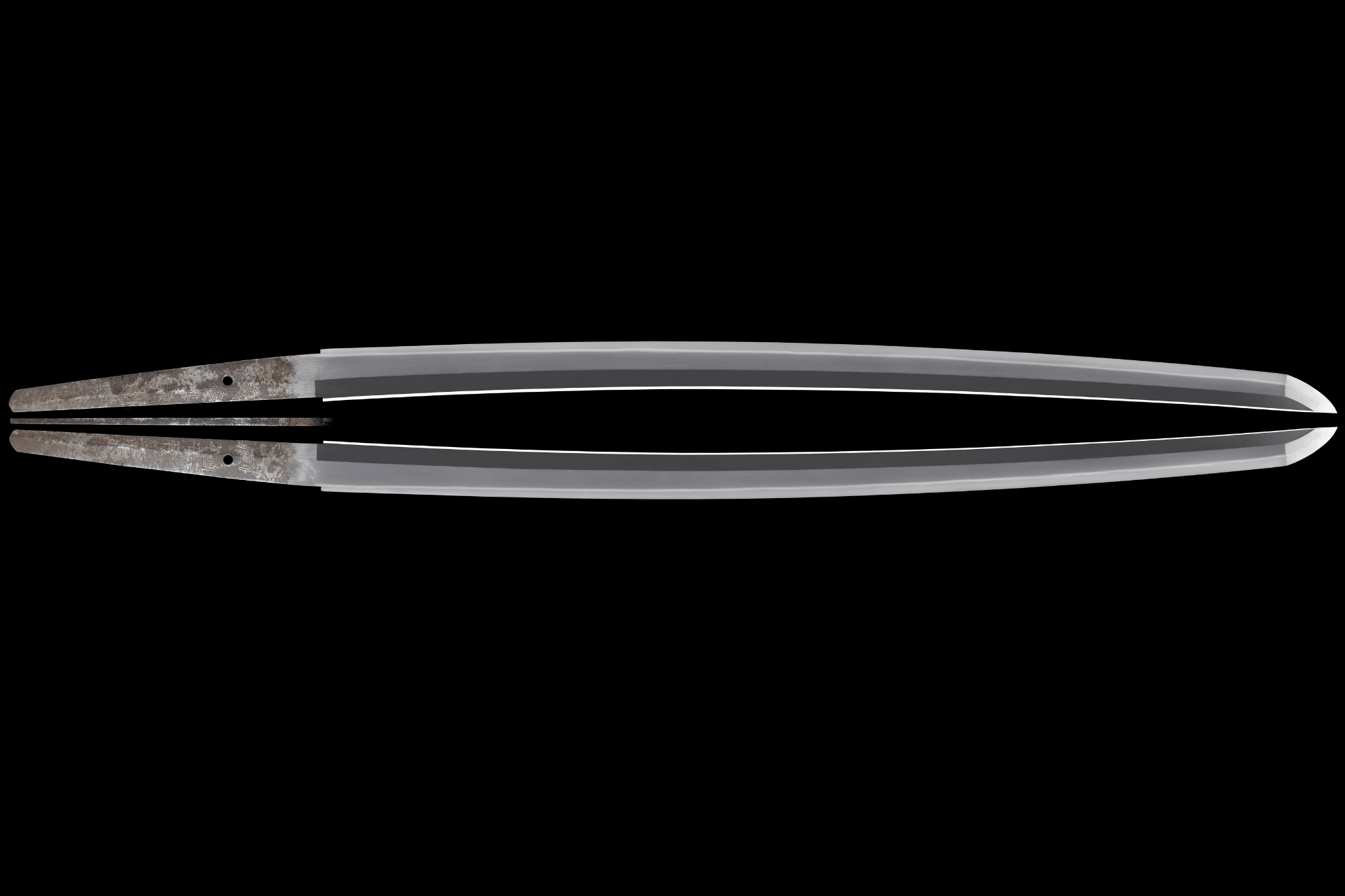
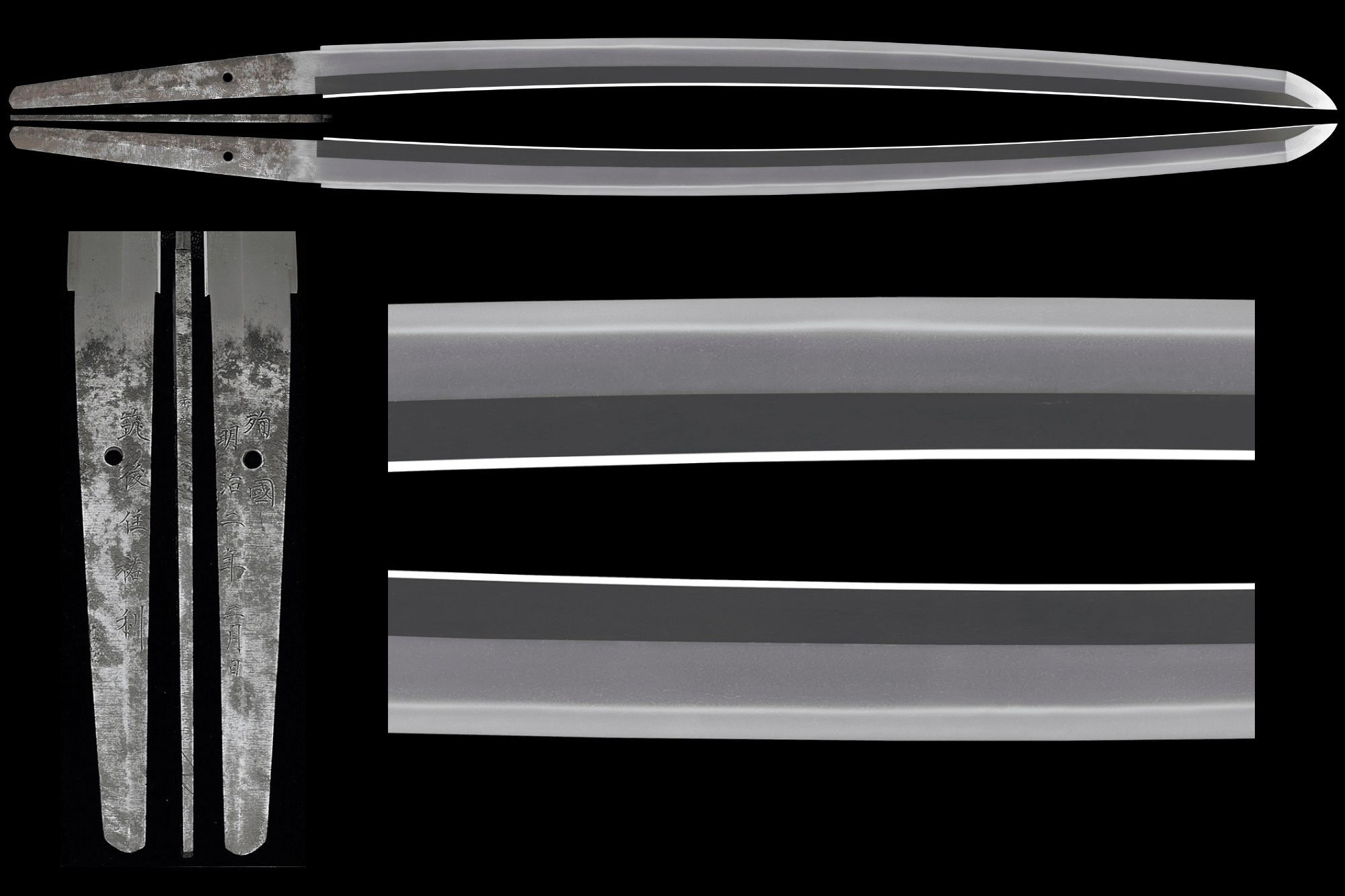
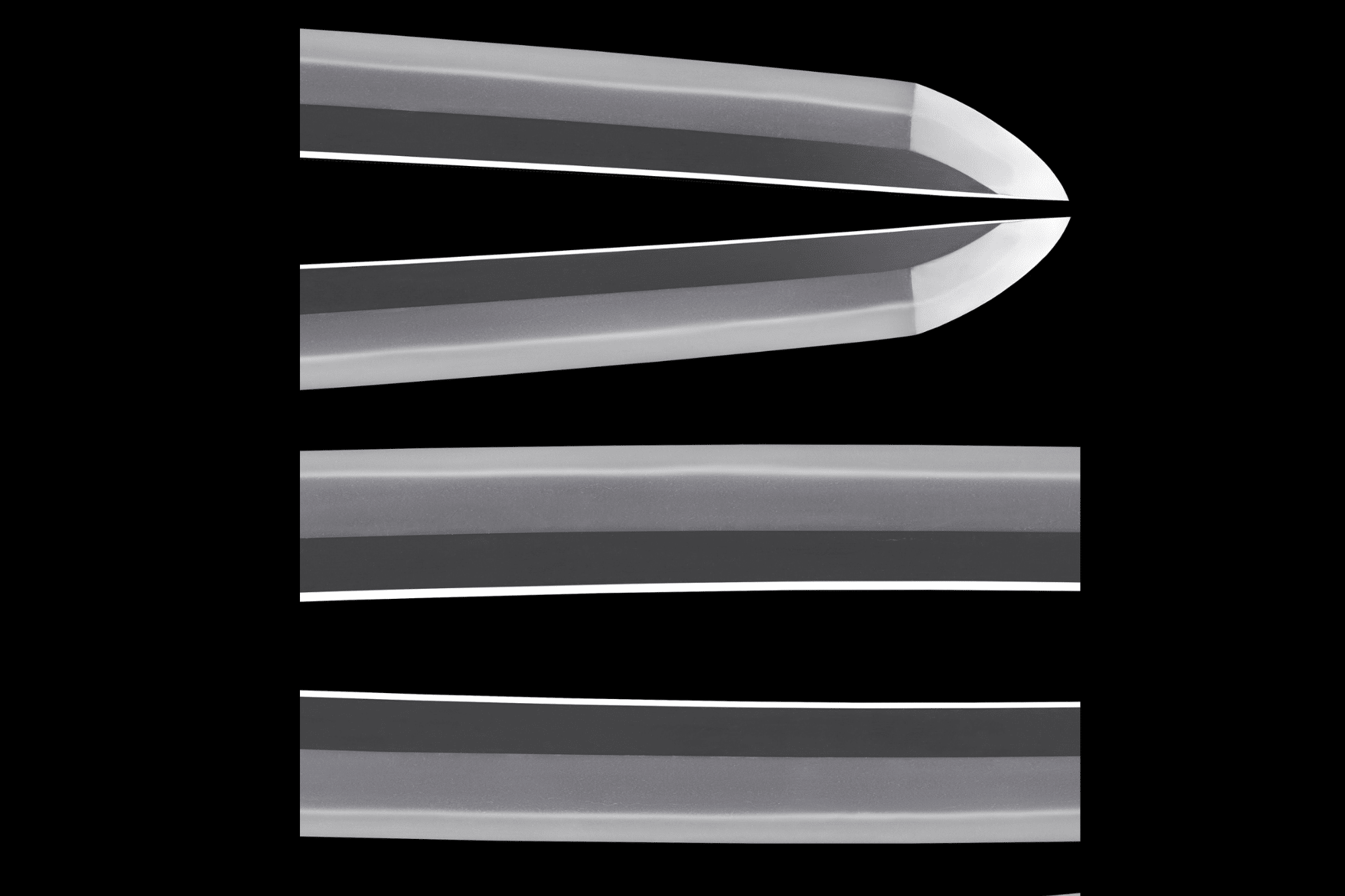
The blade displays a strong and purposeful sugata, characteristic of late Muromachi battlefield swords. The curvature is moderate and functional, optimized for decisive cutting both from horseback and in close combat. The proportions of the blade show a confident width at the base and a controlled taper toward the tip, creating a balanced and powerful form.
The steel structure reveals a well-forged jihada that reflects the honest and disciplined forging techniques of the period. Rather than seeking flamboyant visual effects, smiths such as Suketoshi focused on producing steel that was tough, resilient and capable of enduring repeated use. This approach results in a blade whose beauty lies in its clarity and integrity of construction.
The hamon presents a resilient and clearly defined hardened edge that emphasizes toughness and reliability. The character of the tempering suggests a blade created with practical performance in mind. Such swords were designed to withstand the stresses of battle while maintaining sharpness and cutting efficiency.
The tang remains original with one mekugi-ana, preserving the integrity of the blade and its historical authenticity. Together with the NBTHK Hozon certification, this confirms the sword as a genuine example of a late Muromachi warrior’s weapon preserved into the modern era.
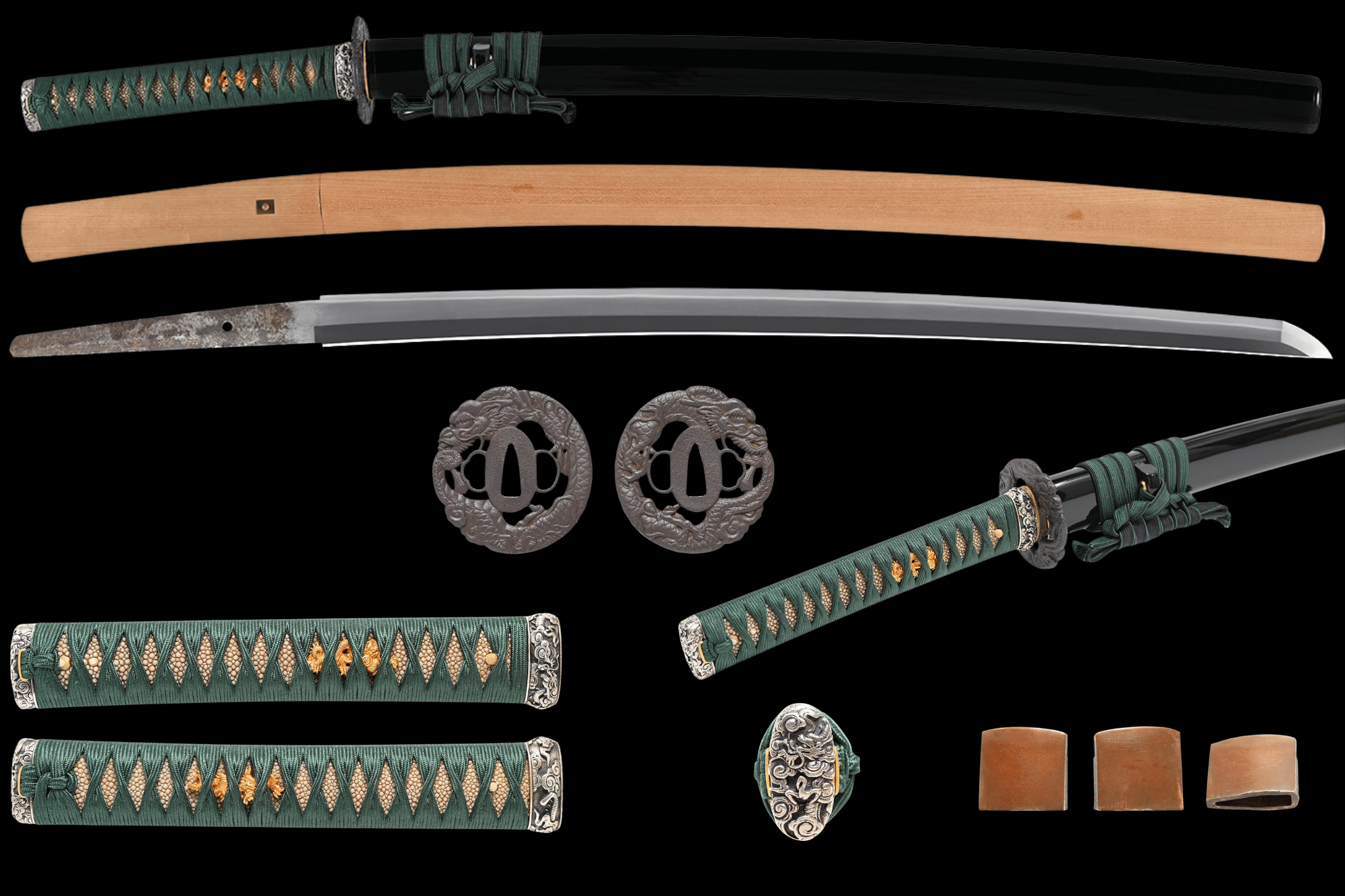
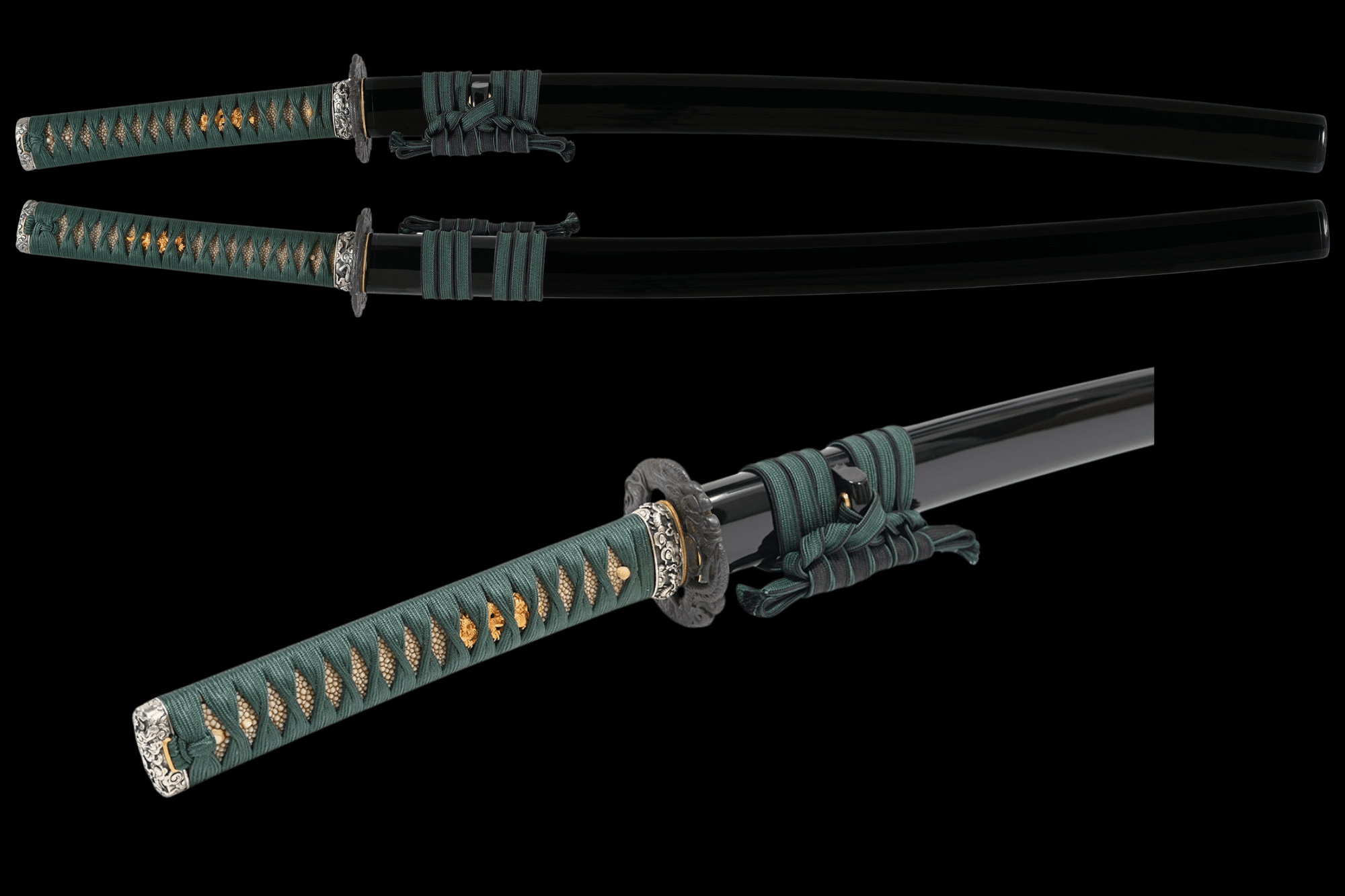
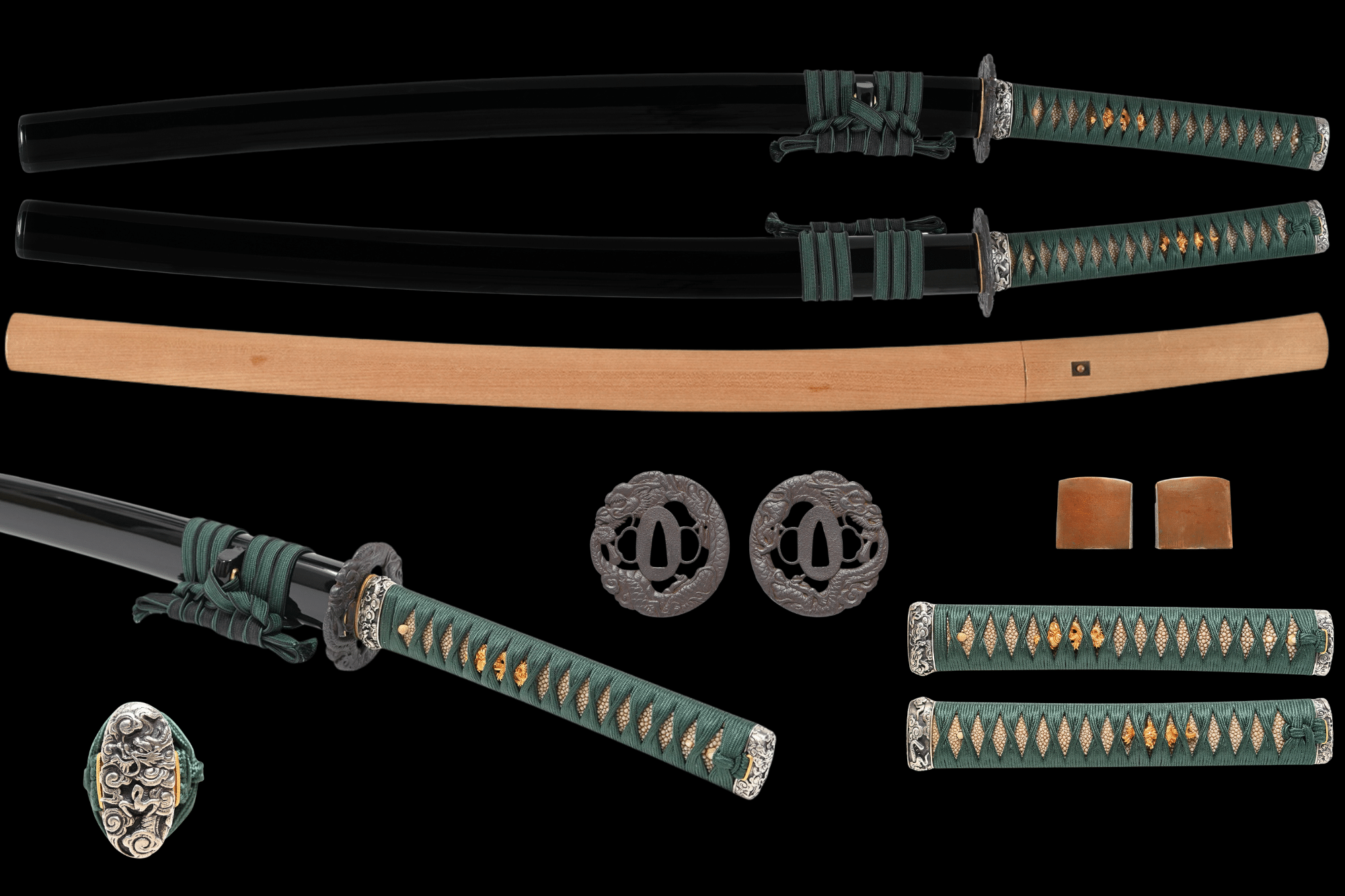
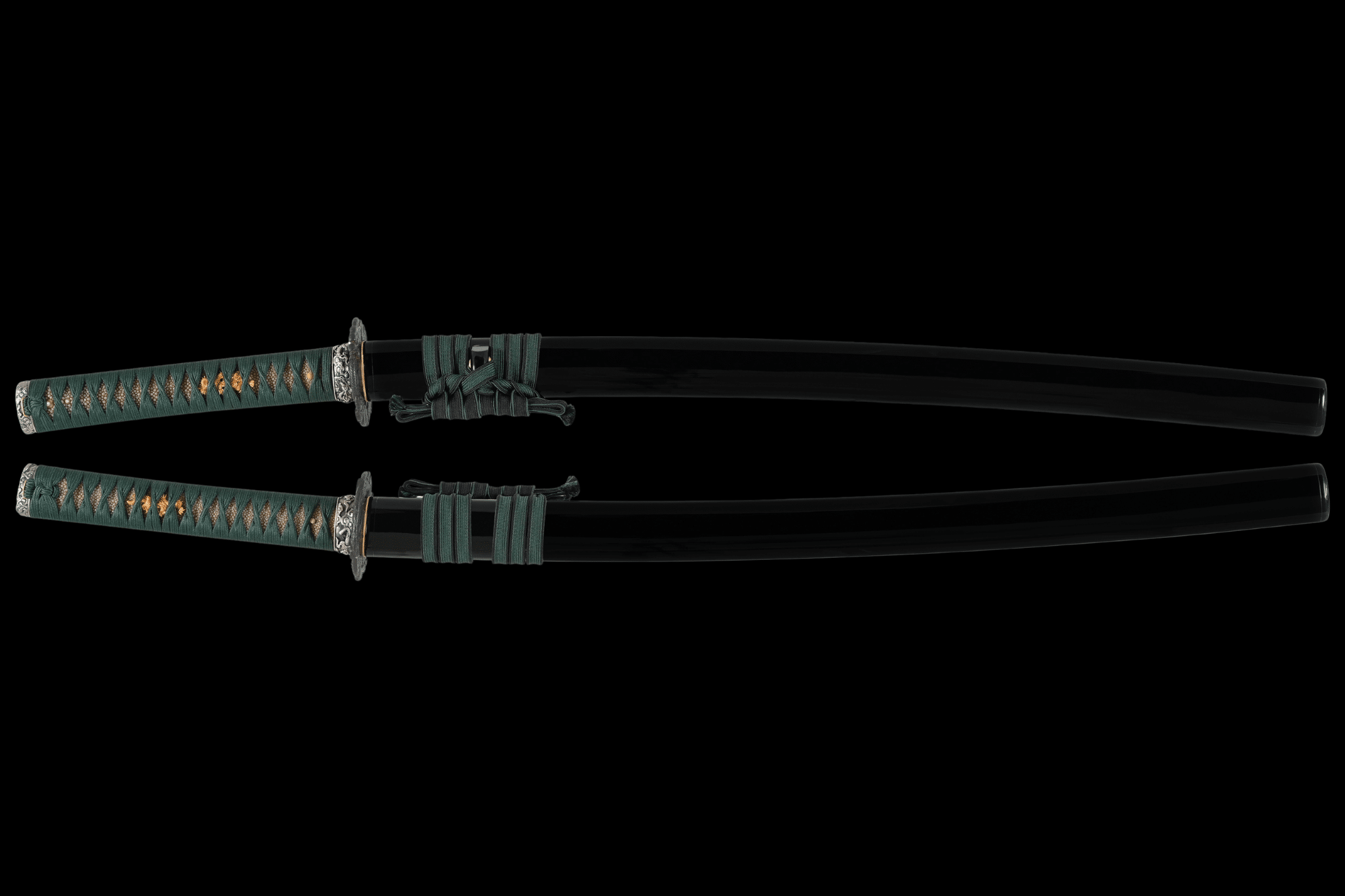
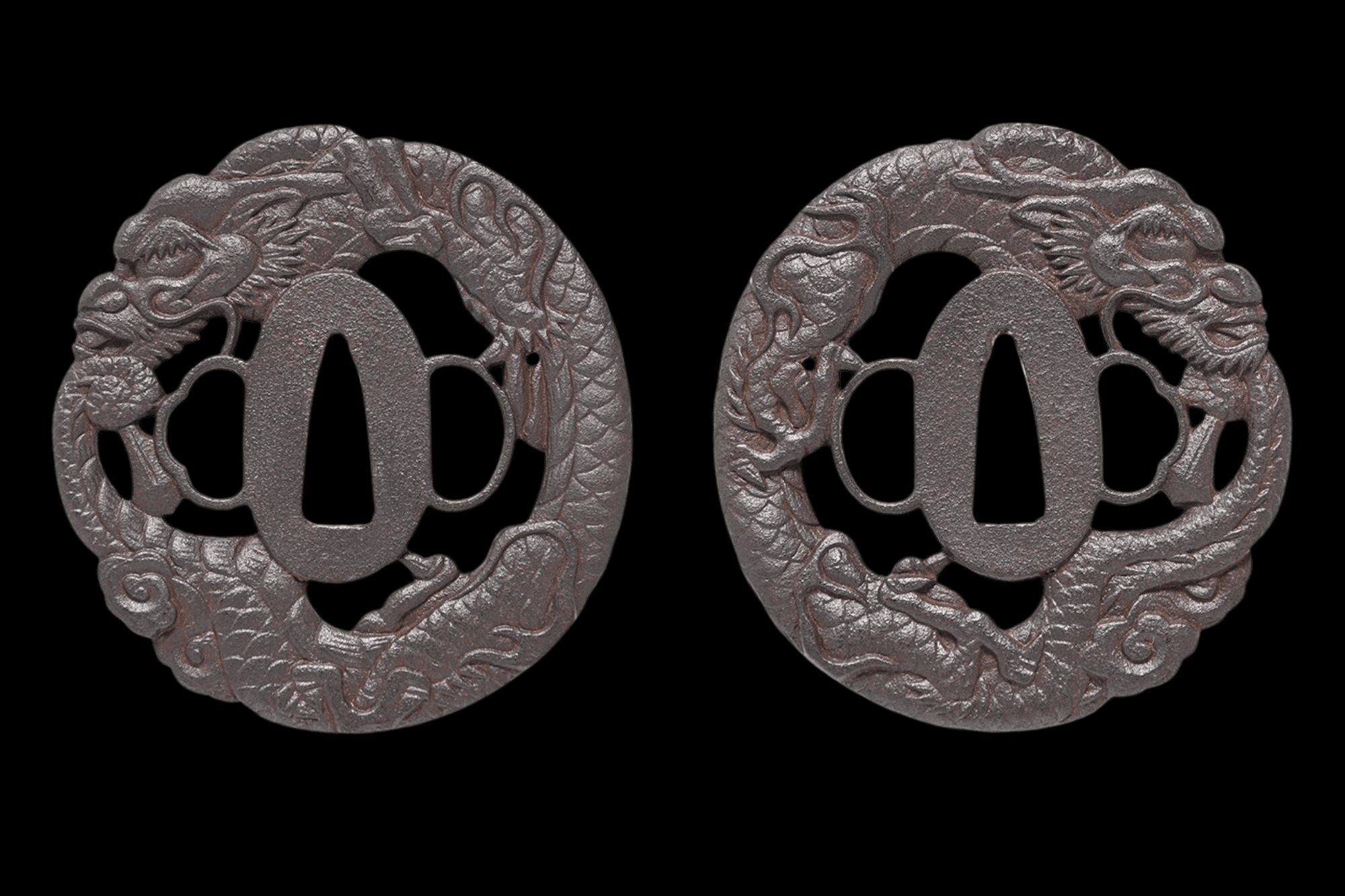
The katana is presented in an elegant koshirae featuring a black lacquered saya complemented by striking fittings decorated with dragon motifs. In Japanese symbolism the dragon represents strength, authority and divine protection. This imagery has long been associated with the warrior spirit and reinforces the martial character of the blade.
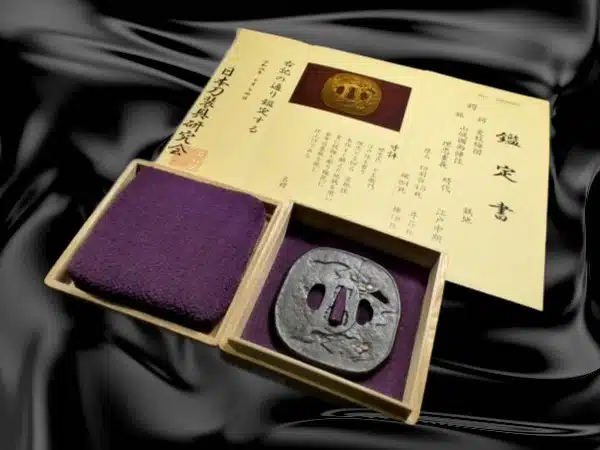
The fittings, including the tsuba and mountings, harmonize with the blade’s powerful presence while maintaining an aesthetic appropriate to a weapon rooted in samurai tradition. The combination of a historically grounded blade with dignified mountings creates a balanced presentation that honors both function and artistry.
Nagasa 62.8 cm
Sori 1.0 cm
Motohaba 3.2 cm
Sakihaba 2.25 cm
Motokasane 6.0 mm
Sakikasane 4.5 mm
Mekugi-ana one
Period Late Muromachi to early Edo period, circa 1596
Province Chikugo
Certification NBTHK Hozon Tōken
Swords by Suketoshi hold particular appeal for collectors interested in the final generation of blades forged during the age of samurai warfare. Unlike many later Edo-period swords produced during times of peace, blades from the Sengoku transition carry the unmistakable character of weapons created for real use.
This katana stands as a compelling survivor of that era. It embodies the disciplined craftsmanship, practical strength and martial spirit that defined the swords of the late Muromachi period. With its documented authenticity and strong historical context, it represents an excellent example of a genuine samurai weapon forged at the turning point between the age of war and the long peace of Tokugawa Japan.
Offered by BushidoShop.nl, European specialists in high-grade Japanese swords, with full compliance to EU ownership and international export regulations.